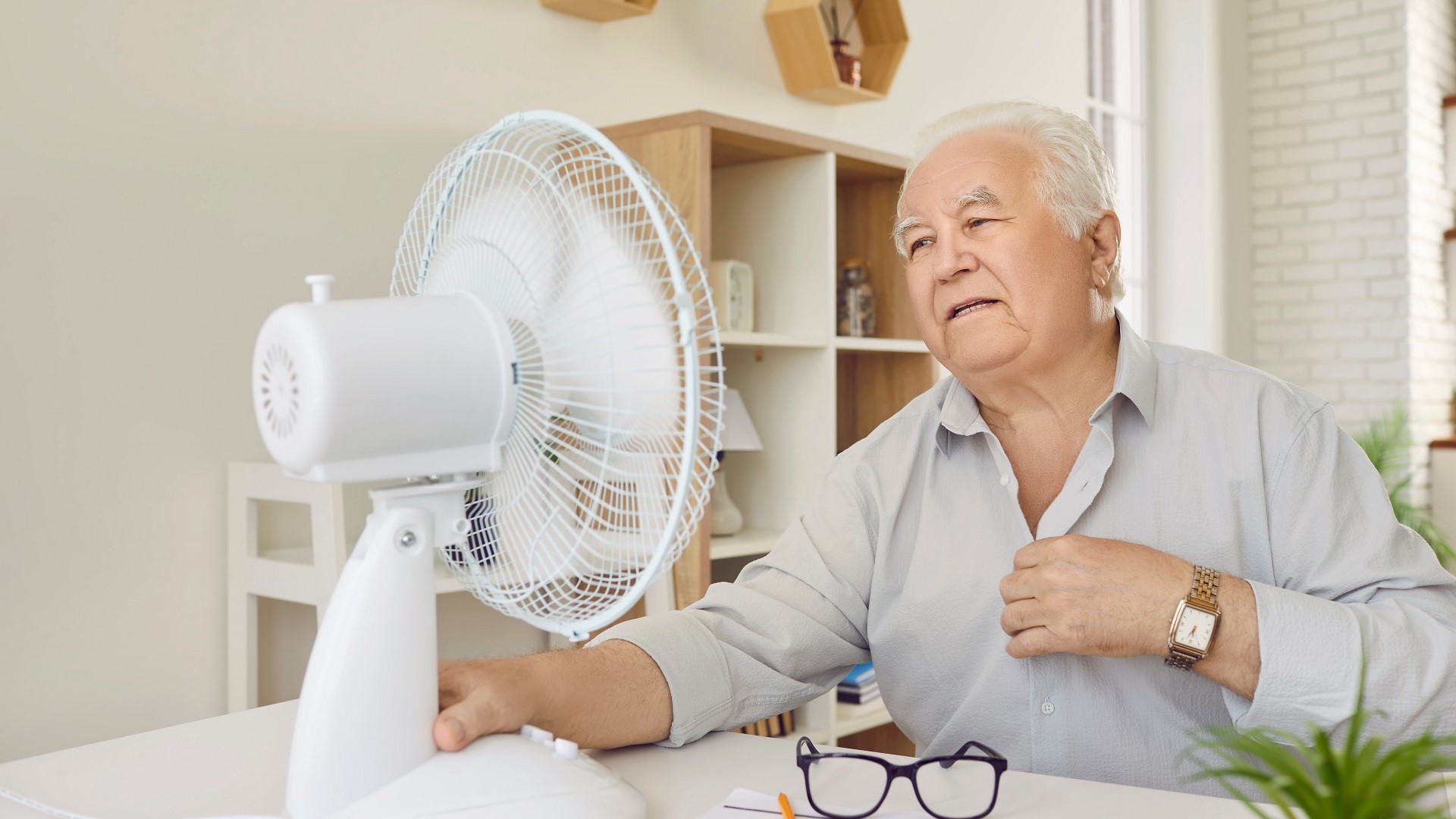
Urban heat hits older people harder and cities aren't prepared for it
A European study conducted with the UOC's participation has examined how rising urban temperatures affect people over 65Although a large majority mentioned that heat affects their daily lives, women reported more health problems as a result
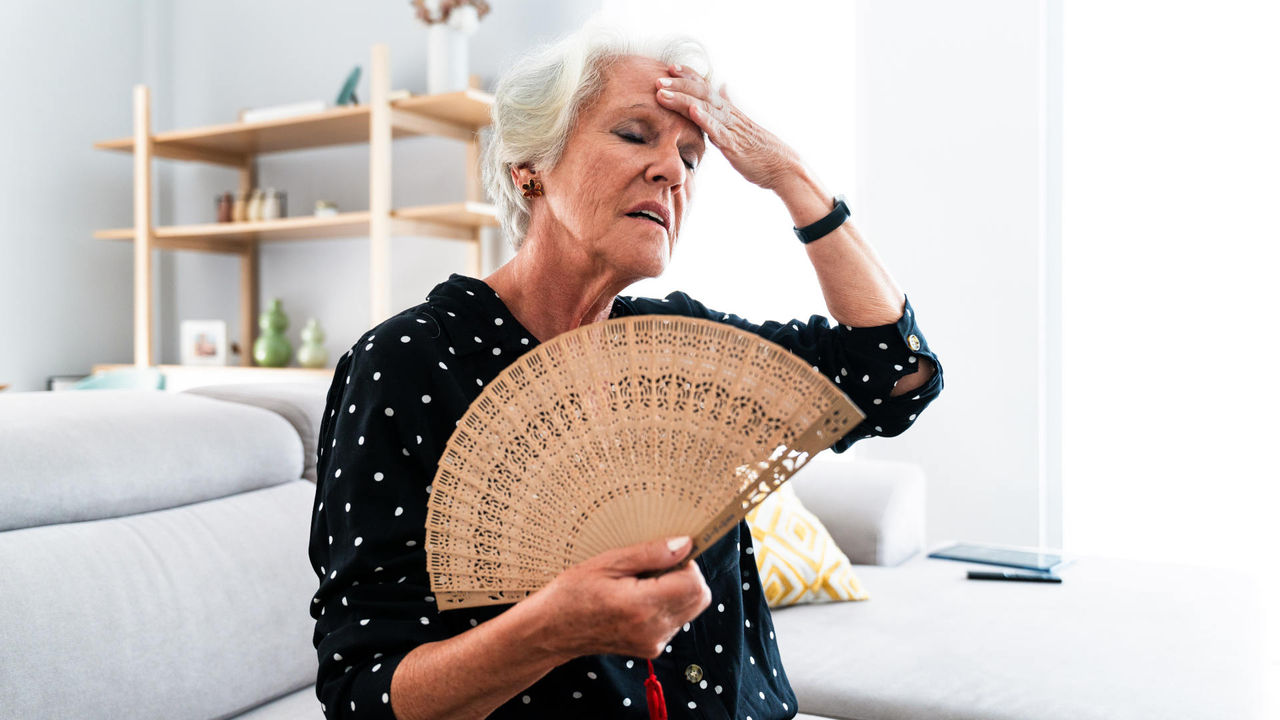
The rising temperatures driven by climate change, with more days of extreme heat and heat waves striking earlier each year, can be felt more intensely in urban areas. A study carried out with the involvement of the Universitat Oberta de Catalunya (UOC) has investigated how those aged 65 and over – one of the groups most vulnerable to heat stress – perceive and are affected by heat in cities.
The participants in the study lived in Madrid, Spain, and Warsaw, Poland. "Madrid was chosen for its extreme temperatures as a good example of southern European heat; and Warsaw was selected for its recent rise in summer temperatures and as an example of shifting heat patterns in continental Europe," said Paloma Yáñez, one of the authors of the study and a researcher at the Urban Transformation and Global Change Laboratory (TURBA Lab) group of the UOC's Culture, Creativity, Social Justice, Critical Thinking and Humanities Research Unit.
“Heat alert systems and public action protocols to be too simplistic, as they fail to account for the severe impact of heat on some individuals and their different ways of coping with it”
The study, published as open access in Geoforum, focused on the summers of 2021 and 2022, when the researchers conducted group interviews and workshops and observed participants – around 50 in total – in order to study their daily experiences of urban heat.
The research also includes data from a survey carried out in the summer of 2022 among over 2,100 older people from both cities, alongside temperature measurements. A large majority – 89% of respondents in Madrid and 71% of those in Warsaw – reported that climate change affected their daily lives.
"Our research seeks to highlight the fact that each person experiences heat differently due to their own physical make-up and social circumstances. In view of this, we consider heat alert systems and public action protocols to be too simplistic, as they fail to account for the severe impact of heat on some individuals and their different ways of coping with it," said Yáñez.
According to the researcher, this conclusion can be applied to other cities too in view of the great variation in older people's experiences, not only in terms of vulnerability but also as regards their ability to manage heat.
"Understanding these strategies and older people's capacity for action is key and may even be the most important tool we have to share, as it can serve to inspire the younger generations, who rely so heavily on air conditioning, as well as other countries that have only recently started to experience heat and have no heat management culture," said Yáñez.
Women are both more affected and more likely to talk about it
The research, which also involved the University of Warsaw and Poland's Institute of Ethnology and Cultural Anthropology, revealed some gender differences: women reported more heat-related issues, such as sweating, bloating, feelings of weakness and heaviness, headaches and loss of appetite. They were also more likely to talk about its physical effects. According to the authors, this does not necessarily mean that men don't suffer in these ways. Instead, they may simply be more reluctant to talk about them due to cultural factors or gender stereotypes.
Despite this possibility, the researchers did find that women are more adversely affected by heat, with a greater reduction in physical capacity and more health-related issues both at the time and in the longer term. "The problem with this is that there are no heat management programmes and protocols specifically for women, who are still the main caregivers in summer, regardless of the temperature, which further exacerbates the situation," said Yáñez.
Effective adaptive strategies
In general, the older people questioned were concerned about the inadequacies of public policies in addressing this issue, with poorly designed architecture (such as cement-paved squares, a lack of climate shelters and the use of non-insulating low-quality materials in homes), poorly managed green areas (involving removing trees, planting water-intensive greenery and closing public parks during heat waves) and the erosion of neighbourhood communities to denounce these matters.
The "stay at home" recommendation during episodes of extreme heat and its isolating effect reminded them of the Covid pandemic, which is why they are demanding a greater focus on adaptation strategies for older people "as active agents rather than vulnerable individuals," said Yáñez.
"These include traditional ventilation strategies, such as closing windows and blinds during the hours of greatest heat and airing homes at night, which have in many cases been passed down the generations," she said. Other recommendations include rescheduling daily exercise to earlier in the day, finding shelters outside their homes and socializing at home during the hottest times, as well as using fans instead of air conditioning where possible in order to reduce their electricity bills.
"Our way of coping with heat is also unique. These experiences are a blend of our conscious and subconscious, tangible and intangible knowledge, which has an impact on the ways in which heat affects us and our response to it. Our aim was to demonstrate that this type of knowledge shapes the way we experience heat and is essential for its management," concluded Yáñez.
This project is aligned with the UOC's research missions: Digital transition and sustainability, Culture for a critical society, and Digital health and planetary well-being. It also contributes to the following Sustainable Development Goals (SDG):3, Good Health and Well-being; 11, Sustainable Cities and Communities; and 13, Climate Action.
Reference article
Boni, Z., Bieńkowska, Z., Jancewicz B., Wrotek M., and Yáñez Serrano P. "'I felt I was melting': Embodying climate change through urban heat". Geoforum. DOI: https://doi.org/10.1016/j.geoforum.2025.104330
Research at the UOC
Specializing in the digital realm, the UOC's research contributes to the construction of future society and the transformations required to tackle global challenges.
Over 500 researchers and more than 50 research groups make up five research units, each with a mission: Culture for a critical society, Lifelong education, Digital health and planetary well-being, Ethical and human-centred technology and Digital transition and sustainability.
The university's Hubbik platform fosters the development of UOC community knowledge transfer and entrepreneurship initiatives.
The goals of the United Nations 2030 Agenda for Sustainable Development and open knowledge are strategic pillars that underpin the UOC's teaching, research and knowledge transfer activities. For more information, visit research.uoc.edu.
Experts UOC
Press contact
-
Anna Sánchez-Juárez