
UOC helps define the future of higher education in Europe at I·HE2025
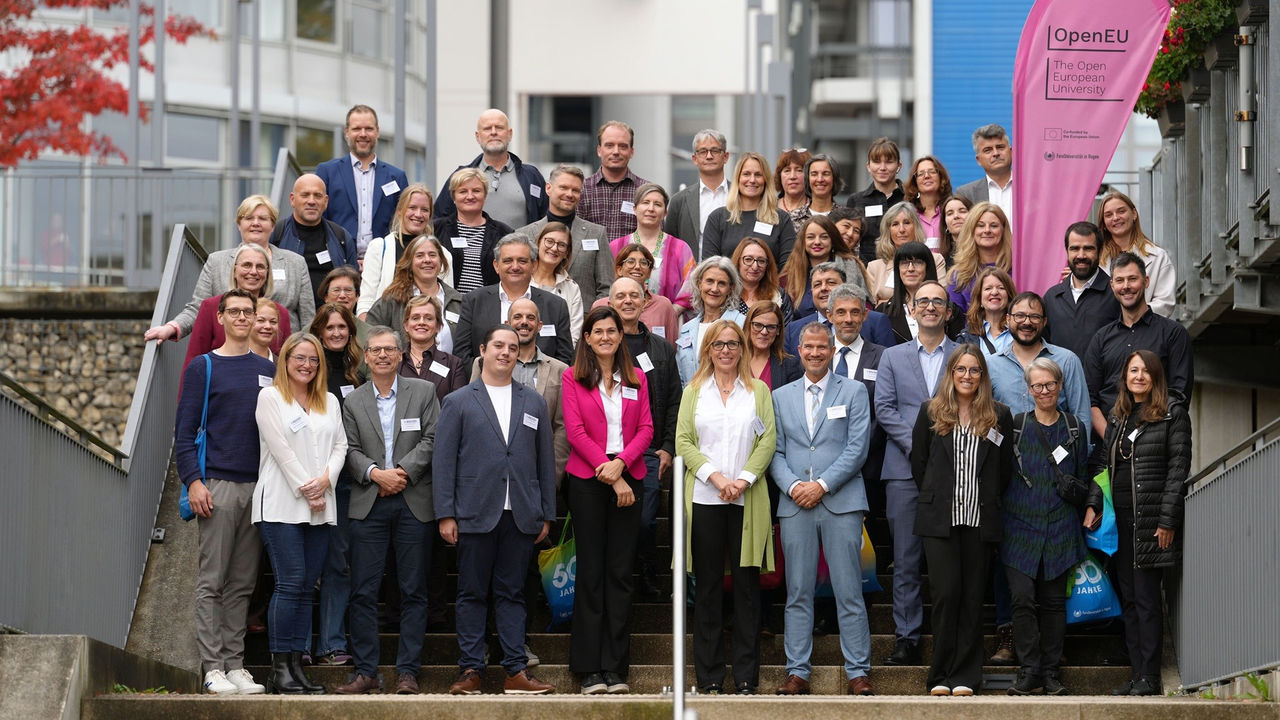
The Universitat Oberta de Catalunya (UOC) has reaffirmed its commitment to the transformation of higher education in Europe by participating in the Innovating Higher Education Conference 2025 (I·HE2025), which took place in Hagen, Germany, from 8 to 10 October. The conference, which was organized by the European Association of Distance Teaching Universities (EADTU), brought together experts in the European education sector to explore innovative strategies in education and foster inclusive and flexible learning environments.
UOC Rector and EADTU Vice-President, Àngels Fitó, opened the conference's inaugural plenary session, with Theo Bastiaens, the network's President and Rector of the Open University of the Netherlands (OUNL), and Stefan Stürmer, Rector of the FernUniversität in Hagen. Fitó said that "the uncertainty of the future compels us to rethink higher education: it must be adapted to our students, meet fresh challenges and include everyone in the construction of knowledge and social progress. Spaces for collective reflection like I·HE2025 are essential for creating innovative solutions."
She was accompanied at the event by Teresa Guasch, UOC Vice Rector for Teaching and Learning, and Pastora Martínez Samper, UOC Commissioner for International Action, alongside members of the UOC's teaching and research staff, administrative staff and students, who took part in various sessions on areas including equality and inclusion, teaching innovation and curricular design.
Presentation of innovative initiatives
The UOC presented several innovative initiatives in the field of education, including the OpenEU Inclusive Gender Equality Plan and GPS Professional. Other UOC initiatives were showcased, such as improving the skills of university teaching staff in course design with game-based training strategies or personalization in online and distance higher education.
The event was also a meeting point for OpenEU, the alliance of European universities coordinated by the UOC. The UOC rector chaired the meeting of the OpenEU Board of Rectors, accompanied by Martínez Samper, coordinator of the alliance, and member of its Executive Board. Several meetings to advance the member universities' common agenda and enhance cooperation were also held, including the first face-to-face meeting of the OpenEU Student Council. "At OpenEU, we're seeking to take advantage of the usual meeting places for our member universities to create new spaces for coordination and joint progress," said Martínez Samper. "These meetings enable us to strengthen the ties between our members in order to move towards building a strong alliance that can have a real impact on the European higher education sector."
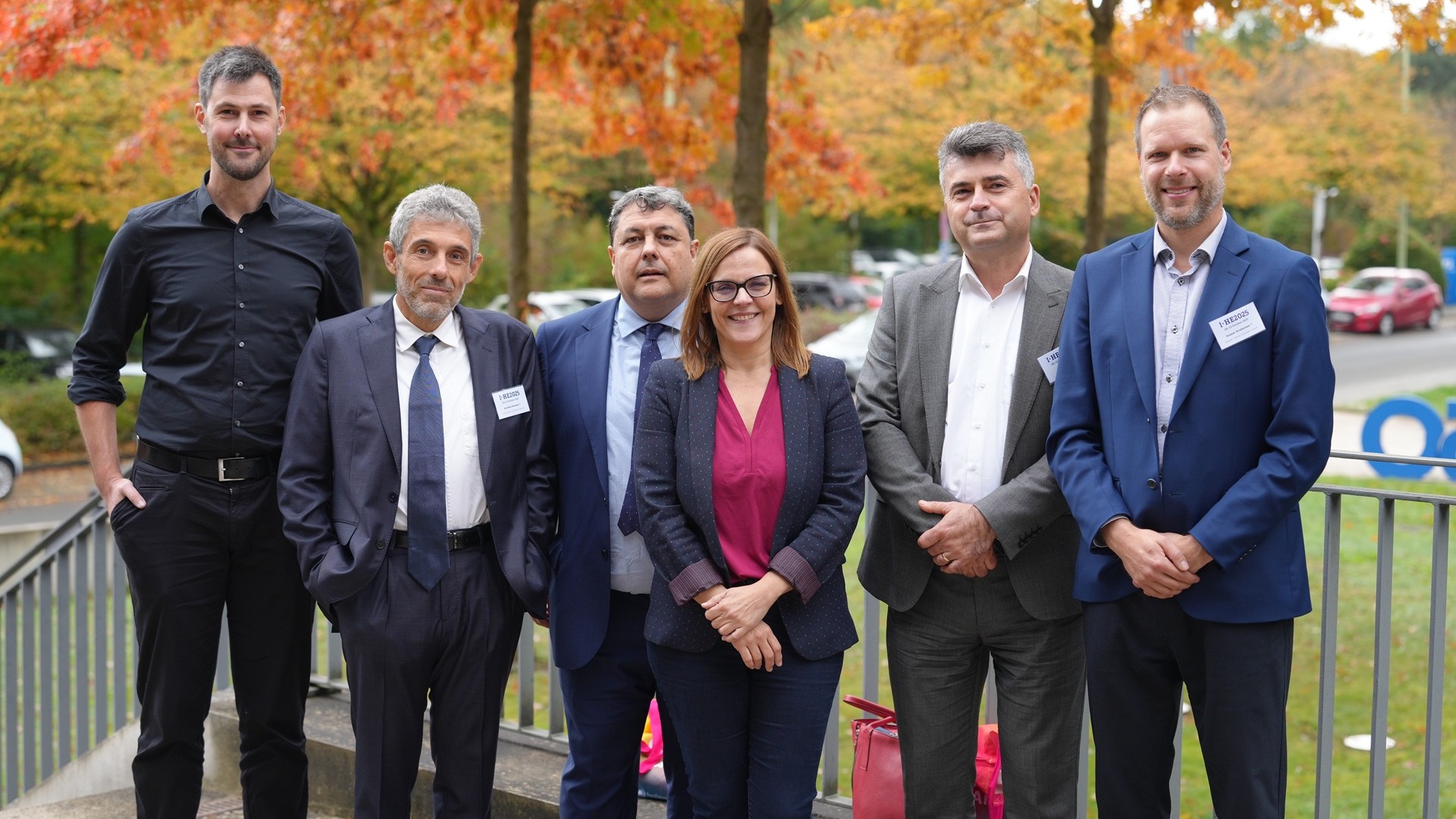
I·HE2025. Photo: FU-Hagen/Volker Wiciok
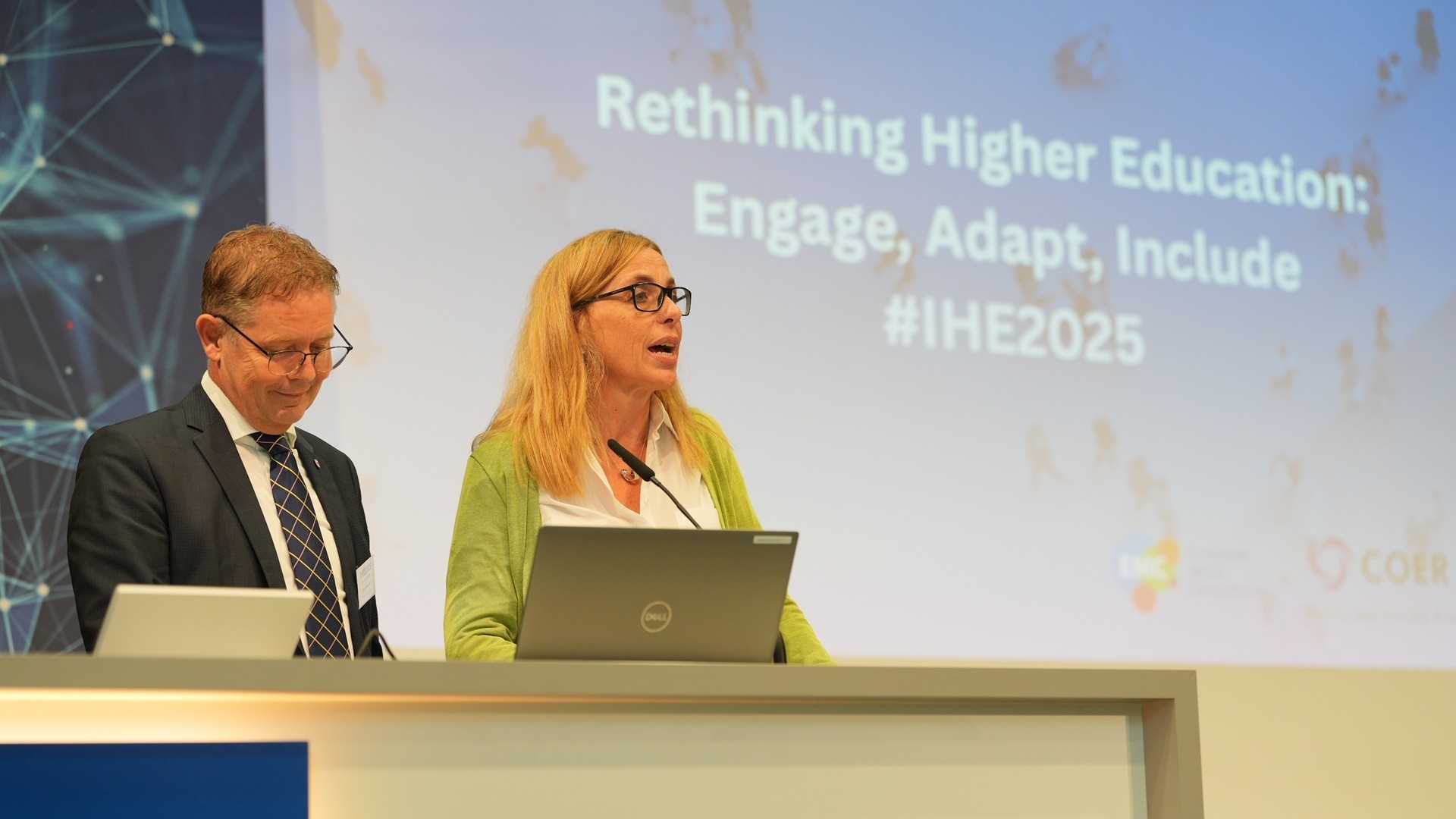
I·HE2025. Photo: FU-Hagen/Volker Wiciok
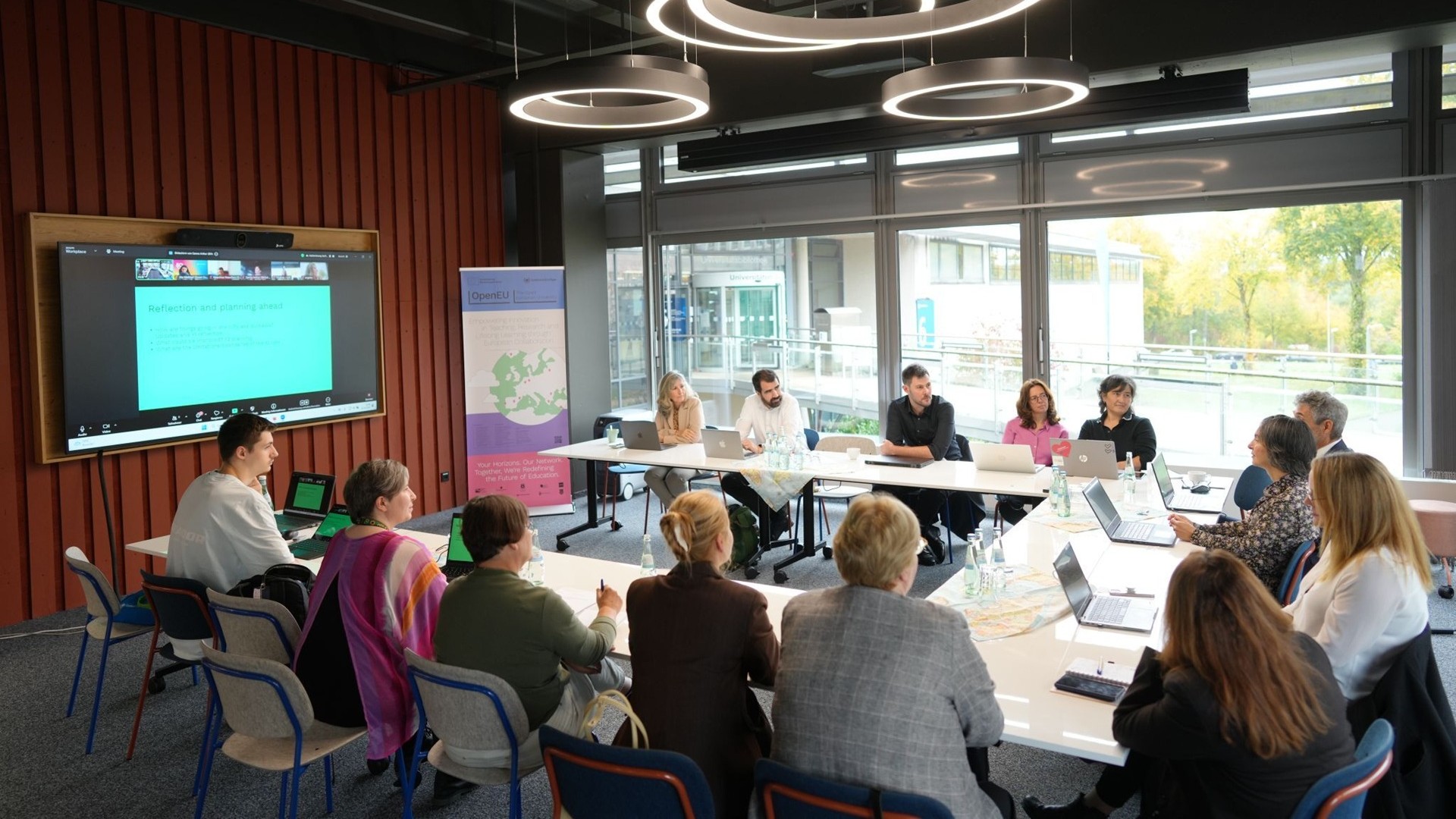
I·HE2025. Photo: FU-Hagen/Volker Wiciok
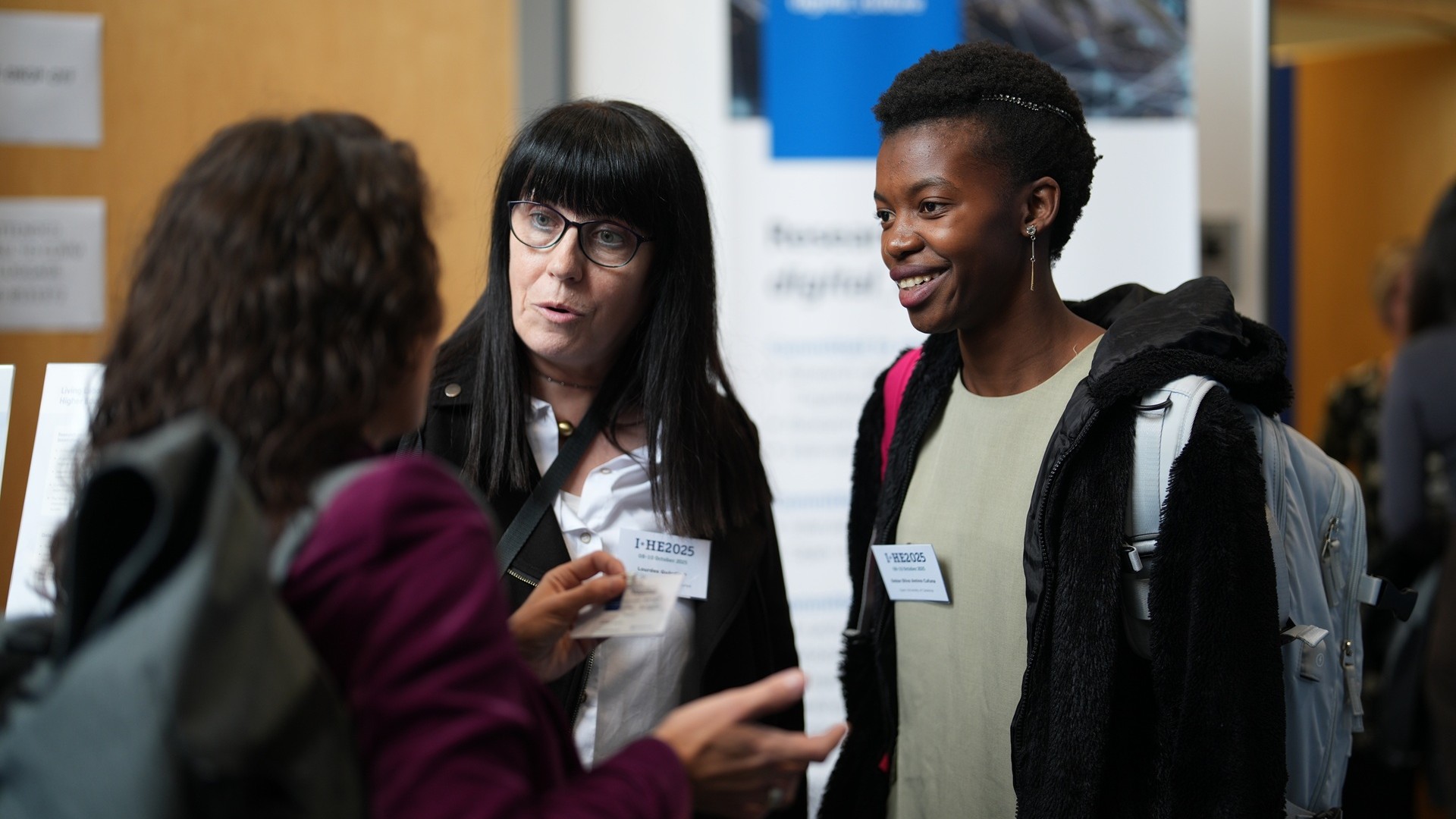
I·HE2025. Photo: FU-Hagen/Volker Wiciok
Recognition of the UOC's history
During the conference, the UOC received a special award in recognition of the university's 30th anniversary, acknowledging the UOC's history in the field of learning and its contribution to the European university system. "It's an honour to receive this award on behalf of the entire UOC community and to do so in my first year as EADTU Vice-President," said Fitó. "We'll continue to foster initiatives that contribute to this network's mission, moving towards higher education that's more connected to social needs, able to respond to students' demands for flexibility, and open to innovation and global collaboration."
Rethinking the future of higher education
Over three days, the event addressed key issues for the transformation of higher education, including artificial intelligence, personalized learning pathways, microcredentials and interoperability, and ended with a renewed vision for higher education in Europe, in which collaboration and innovation will be key factors in adapting to the changes taking place worldwide.
Press contact
-
Leyre Artiz