
How the food environment shapes our diet
The UOC is analysing eating habits in Catalonia as part of the European PLAN'EAT project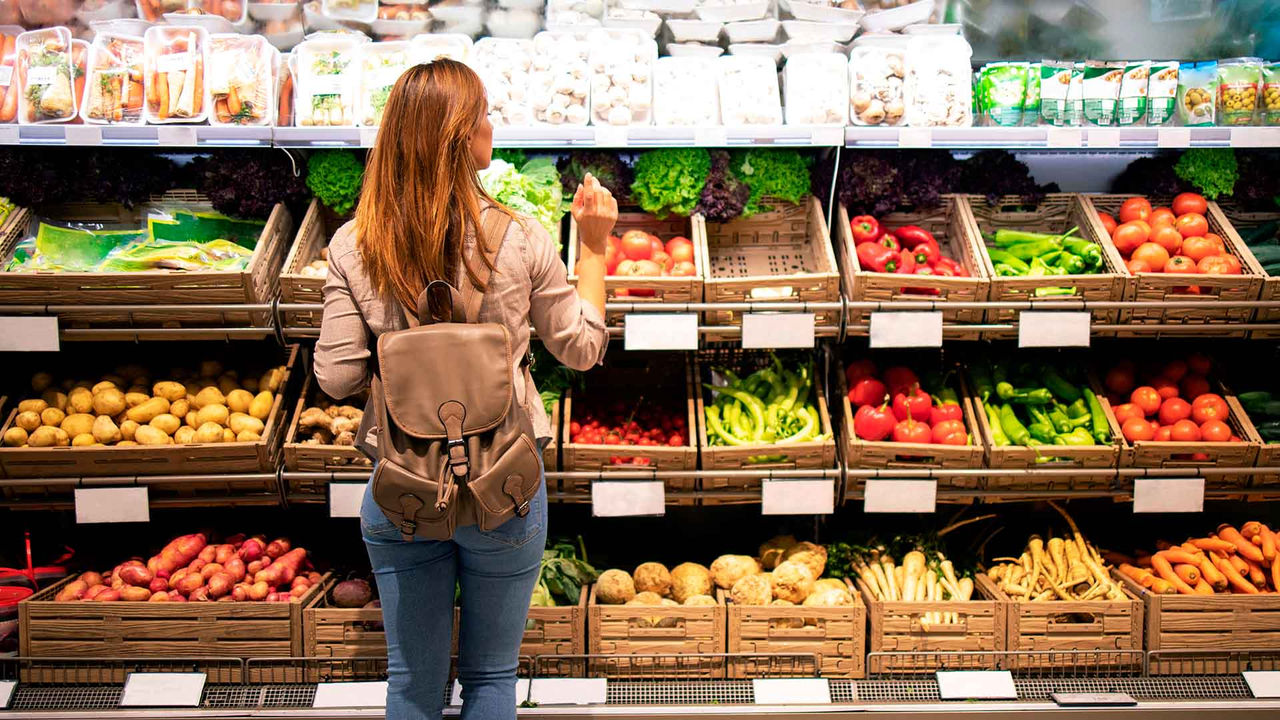
The Universitat Oberta de Catalunya (UOC) is taking part in the European PLAN'EAT project, which explores ways to improve people's diets through scientific evidence-based interventions. This 2025, the project published its initial findings, including comparative analyses and recommendations for promoting healthier, more sustainable eating habits.
Funded by the Horizon Europe programme since 2022, PLAN'EAT brings together 24 partners from 11 countries and is now in its third year.
“The aim is to better understand how environments shape people's eating behaviours, in order to design strategies that support healthier, more sustainable choices”
Five barriers to healthy eating
As part of the project, researchers have analysed environmental barriers and factors influencing what we eat. The layout of products in shops, the high price of fresh produce, disinformation, cultural barriers and social pressure are among the main obstacles identified. These difficulties affect vulnerable groups the most, particularly older people and those with limited resources.
The analysis draws on fieldwork carried out through living labs in nine European countries. These innovative ecosystems make it possible to collect qualitative and quantitative data and co-create solutions with users. One of the project's key outputs is the Dietary patterns mapping of the nine pre-selected target groups report, which examines the eating habits of target groups across different European regions.
The UOC is leading the analysis of Catalonia
The UOC's contribution to the initiative, led by Francesc Xavier Medina, is through the Research Group in Epidemiology and Public Health in the Digital Health context (epi4health), part of the Digital Health, Health and Well-being Research Unit. Research assistant and doctoral candidate Iris Blázquez Sucarrat offered some insight into the study in Catalonia, which involved a sample of participants aged 40 to 85: "The aim is to better understand how environments shape people's eating behaviours, in order to design strategies that support healthier, more sustainable choices," she said. Alícia Aguilar, Anna Bach and Laura Esquius are also participating in this project.
Recommendations for a sustainable diet
Another of the project's reports, dedicated to analysing current dietary patterns, compares the diets of countries such as Sweden, France and Italy with the planetary health diet, which is high in plant-based foods and low in red meat. Adopting this model would help reduce the burden of disease and the environmental impact linked to food.
Experts have also published a guide with recommendations such as:
- Prioritizing legumes, fruit, vegetables, whole grains and plant-based proteins.
- Cutting down on processed meats, ultra-processed foods and added sugars.
- Choosing sustainably sourced fish.
- Including fortified foods or supplements in vegetarian and vegan diets.
A project aligned with the UOC's research strategy
The UOC's involvement in the PLAN'EAT project aligns with two of the university's five strategic research missions: Digital health and planetary well-being and Digital transition and sustainability. The project also supports three of the UN's Sustainable Development Goals: SDG3, Good Health and Well-being; SDG12, Responsible Production and Consumption; and SDG13, Climate Action.

Research at the UOC
Specializing in the digital realm, the UOC's research contributes to the construction of future society and the transformations required to tackle global challenges.
Over 500 researchers and more than 50 research groups make up five research units, each with a mission: Culture for a critical society, Lifelong education, Digital health and planetary well-being, Ethical and human-centred technology and Digital transition and sustainability.
The university's Hubbik platform fosters the development of UOC community knowledge transfer and entrepreneurship initiatives.
The goals of the United Nations 2030 Agenda for Sustainable Development and open knowledge are strategic pillars that underpin the UOC's teaching, research and knowledge transfer activities. For more information, visit research.uoc.edu.
Experts UOC
Press contact
-
Anna Sánchez-Juárez