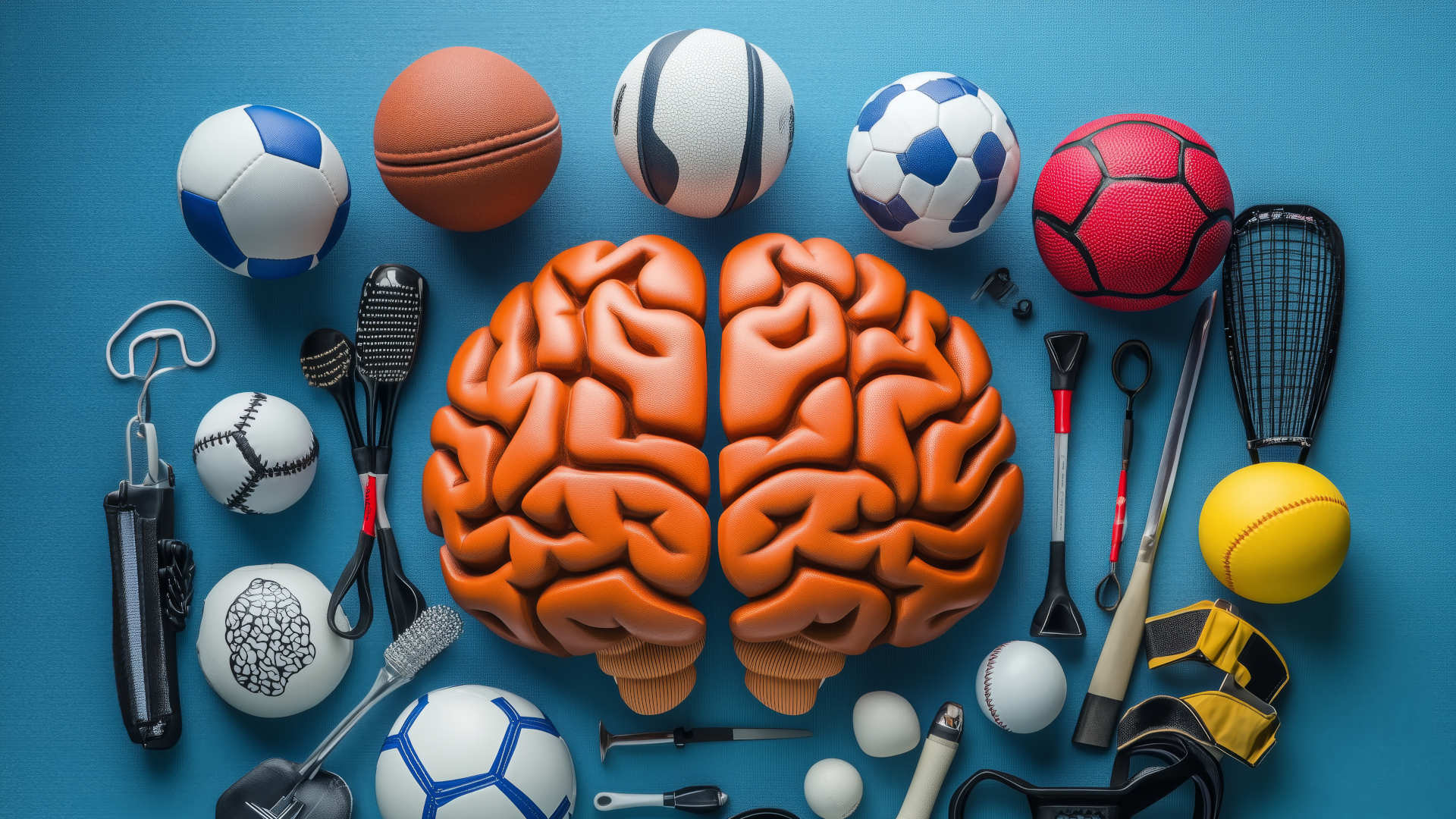
Using neurofeedback for training in emotional self-control can improve sports performance
Competitive pressure and the demand for immediate results can increase feelings of anxiety and the fear of failure, which impairs performanceA study led by the UOC concludes that complementing physical training with mental training sessions to achieve emotional self-control is effective in reducing stress in athletes
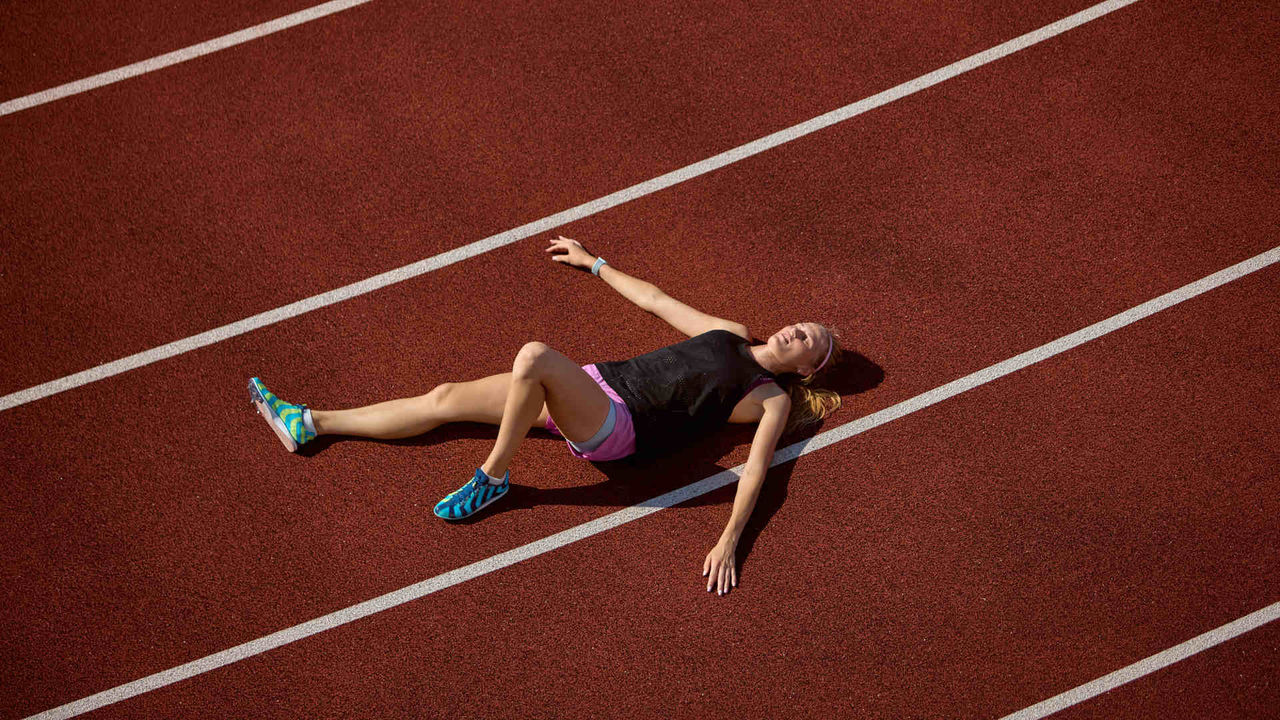
When the whistle blows in a competition, the body's muscles tense up and the athlete experiences an adrenaline rush which prepares them to achieve peak performance levels. However, competitive pressure and the demand for immediate results can also cause emotional distress and increase anxiety about mistakes or failure, ultimately having a negative impact on sporting results.
A study led by the Universitat Oberta de Catalunya (UOC) has shown that including neurofeedback and incorporating gamification to make it more appealing in training enhances athletes' self-control and emotional management skills, which could lead to significant improvements in their athletic performance levels.
"Our results are evidence for the effectiveness of applying this brain self-regulation technique, combined with digital technology-based games as an innovative strategy for mental training," said the authors of the study, Lourdes Carrascón and Mercè Boixadós.
The study, which has been published as open access in Cuadernos de Psicología del Deporte, concludes that complementing physical training with these mental training techniques could improve athletes' concentration and motor control in critical situations.
Grounded in personal experience
The idea for this study came about from the work of Lourdes Carrascón, a clinical and sports psychologist, who supports professional athletes in achieving their goals. After observing hundreds of training sessions, Carrascón identified a clear pattern: anxiety and nervousness prior to competition led to impaired performance, even among highly experienced athletes. This observation triggered her scientific interest: how can the impact of emotional dysregulation on athletic performance be demonstrated objectively? And above all, how is it possible to reduce it?
"I wanted to show them how their nervousness hindered them, and that when they were calm they were still able to go through their routine," explained Carrascón, who carried out the research as part of her doctoral studies under the supervision of the researcher and senior professor in the Faculty of Psychology and Education Sciences at the UOC Mercè Boixadós, a member of the Behavioural Design Lab (BDLab) group, affiliated to the eHealth Centre.
“Incorporating gamification to make it more appealing in training enhances athletes' self-control and emotional management skills”
Brain training with neurofeedback
Carrascón recruited 60 male and female archers aged between 18 and 70, from various archery clubs in Catalonia to carry out the study. They all took part in twenty neurofeedback sessions, which were divided into two parts.
For the first ten hours, the participants wore a headband with sensors that recorded their alpha brain activity, a type of wave associated with states of relaxation, well-being and lower levels of stress. This activity was shown on a graph on a monitor, and during these sessions Carrascón trained the athletes to learn how to regulate their alpha wave levels. This showed the participants how their own mental state changed in real time.
In the second part of the training, the screen was replaced by a miniature car controlled by an Arduino board. The vehicle moved in circles only when the archers managed to achieve optimal levels of relaxation and increased their alpha wave activity.
"We learn by playing," said Carrascón, who added that "we introduced a gamification aspect to improve the participants' motivation and foster adherence. Seeing that they could control their brain activity, and that this made the car move was an immediate and highly stimulating reward for the participants."
Less stress and a pathway to further research into anxiety
The researchers found that the intervention improved the athletes' emotional self-control and subjective experience while shooting. The physical trainers also noticed changes: the athletes were less stressed, they made fewer mistakes typically associated with anxiety, such as hasty shots or repeated adjustments to their stance, and improved how they handled the seconds before taking their shot better.
However, mental training with neurofeedback did not significantly reduce the levels of anxiety experienced by the archers. "The data point to a clear trend towards improvement; we would probably observe significant reductions in anxiety with a larger sample of participants or longer training programmes," said Carrascón.
Applications beyond sport
Although this study focused on high-performance athletes, the researchers believe that this type of training based on emotional self-regulation and gamification has enormous potential in other areas. The authors said that "it could be very useful for managing anxiety and work-related stress, and improving well-being in demanding professional environments".
Reference article
Carrascón, L., & Boixadós, M. (2025). Efectos de una intervención de neurofeedback α con refuerzo mediante gamificación en el control de la ansiedad estado. Cuadernos de Psicología del Deporte, 25(3), 194–210.
This research is aligned with the UOC's research mission on Planetary health and well-being. It also contributes to UN Sustainable Development Goal (SDG) 3: Good health and well-being.

Transformative, impactful research
At the UOC, we see research as a strategic tool to advance towards a future society that is more critical, responsible and nonconformist. With this vision, we conduct applied research that's interdisciplinary and linked to the most important social, technological and educational challenges.
The UOC’s over 500 researchers and more than 50 research groups are working in five research units focusing on five missions: lifelong learning; ethical and human-centred technology; digital transition and sustainability; culture for a critical society, and digital health and planetary well-being.
The university's Hubbik platform fosters knowledge transfer and entrepreneurship in the UOC community.
More information: www.uoc.edu/en/research
Experts UOC
Press contact
-
Anna Sánchez-Juárez