
The UOC brings European and Latin American universities together for its first International Staff Week
The programme, structured around the themes of knowledge, technology and alliances, included around 30 sessions organized by the UOC with the aim of sharing its educational model and promoting global university cooperationThe initiative is part of the UOC's international university cooperation strategy and was organized by the university's OpenEU Office and its Alliances, Community and Equity department
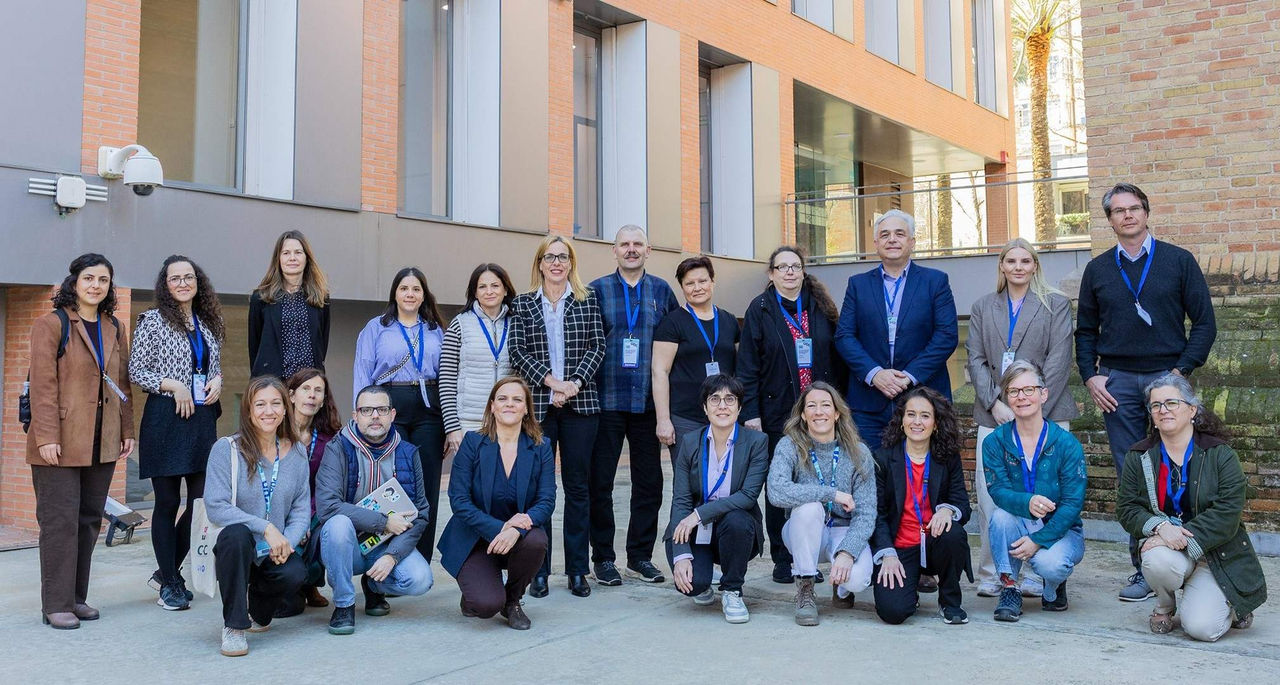
The UOC has held its first UOC Staff Week. This international gathering to strengthen ties with partner universities in Europe and Latin America and share innovative experiences and initiatives in higher education was held on the UOC Campus from 16 to 19 March.
Organized by the UOC's OpenEU Office and its Alliances, Community and Equity department, the Staff Week brought together a total of 56 professionals from higher education institutions (mostly members of the OpenEU alliance, which is coordinated by the UOC) from 12 European countries, such as Germany, Iceland, Bulgaria, Portugal, Cyprus, Greece and Latvia, and associated countries such as Turkey. In addition, about 30 professionals in Latin America, specifically Mexico, Chile, Colombia and Peru, took part online.
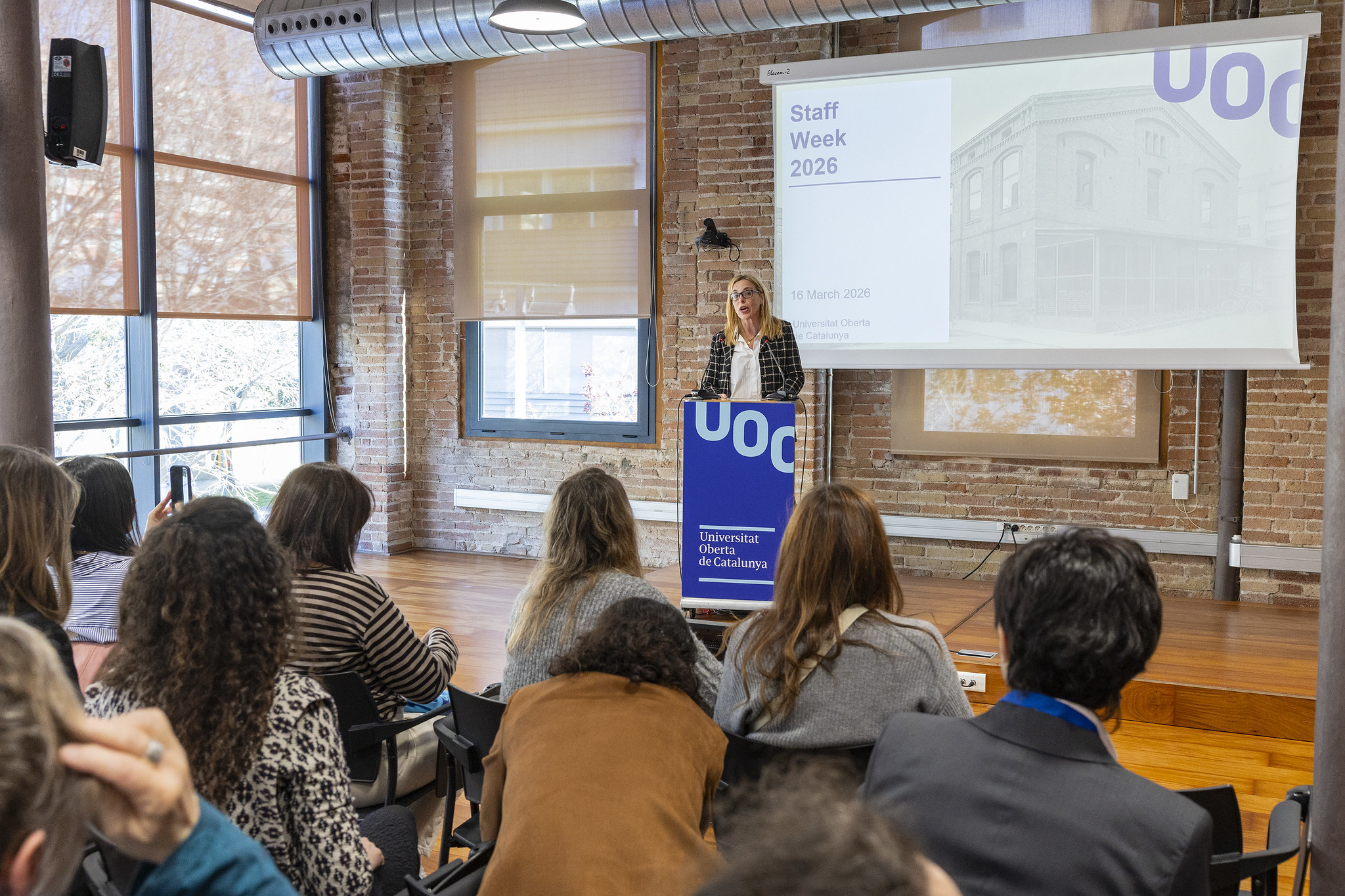
In the opening session, UOC rector Àngels Fitó noted that the challenges facing universities today call for shared responses: "Universities are facing challenges that are too complex to tackle alone. When institutions work together, they can combine their expertise, share resources and create initiatives that would not be possible individually. The future of higher education will be built through networks of trust, dialogue and cooperation."
Fitó also highlighted the UOC's pioneering role as a digital university, established more than 30 years ago to expand access to higher education through technology and to offer a flexible, accessible learning model, tailored to the diverse needs of students.
Manel Jiménez-Morales, vice rector for Alliances, Community and Culture, observed: "This gathering is a reminder that universities, first and foremost, are communities of connected knowledge. When professionals from different contexts share practices and projects, new opportunities for innovation and learning are generated, and it reinforces a global interuniversity community committed to higher education that is more open and inclusive."
A week focused on educational innovation
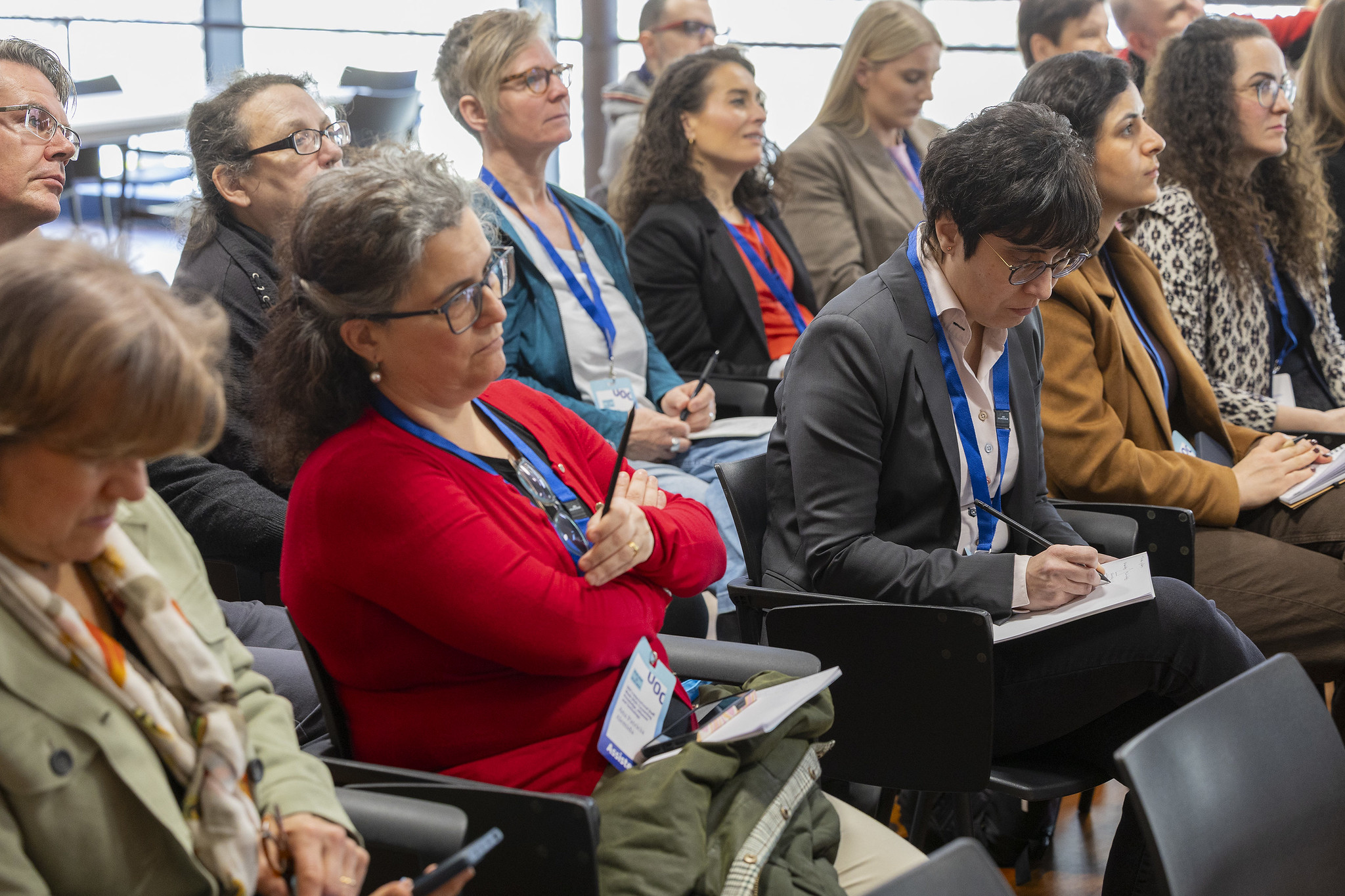
The three key themes, each of strategic importance to the UOC, were made clear in the Staff Week's slogan: "Connecting knowledge, alliances and technology for the future of higher education". Spanning four days, the university offered a programme featuring some 30 presentations, panels, workshops and debates on educational innovation and the transformation of higher education. This was organized in collaboration with different teams and departments at the UOC through a participatory call.
The main topics covered included the use of artificial intelligence in university teaching, learning analytics for academic decision-making, the strategy to focus more on digital assessment, pedagogical innovation in digital environments, multilingual learning environments and the role of the university as an agent of social change and knowledge transfer. In addition, the campus hall hosted a continuous exhibition of posters throughout the week, featuring projects on teaching innovation, quality in online studies and new tools for digital education.
The meeting also facilitated exchanges of good practices between universities in areas such as teaching innovation, digital transformation and policies for inclusion in higher education.
“The future of higher education will be built through networks of trust, dialogue and cooperation.”
International cooperation in the face of global challenges
The Staff Week brought together a diverse range of profiles from the university sector, including teaching and research staff, educational innovators, digital learning experts, project managers, and research, quality and information technology professionals. This diversity of perspectives enhanced the event's value as a space for exchange and shared learning.
For Pastora Martínez Samper, the UOC's Commissioner for International Action, initiatives like this showcase the value of alliances between universities. She said, "The diversity of profiles and institutions reflects the richness and potential of international cooperation between universities. University networks and strategic alliances make it possible to connect knowledge, share experiences and strengthen a collaborative model of higher education that is more open, innovative and aligned with the needs of society."
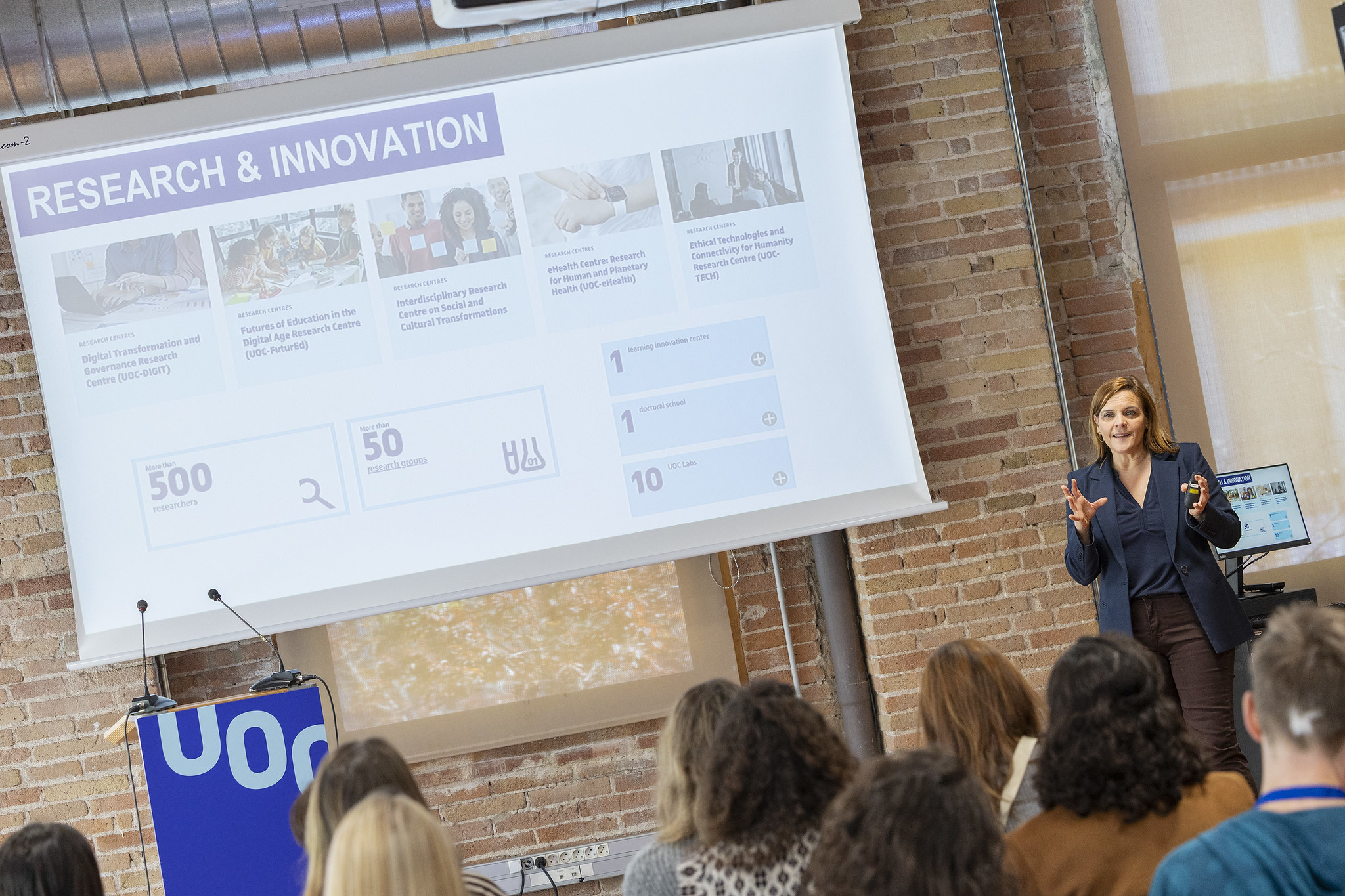
In this context, the meeting helped reinforce the university's priority areas, such as internationalization, leadership in digital education, and pedagogical innovation, while promoting the exchange of experiences and the exploration of new avenues of academic collaboration between institutions. The initiative also made it possible to share with partner universities the UOC's educational model and various pedagogical innovation initiatives, which combine teaching innovation and research to design meaningful, student-centred learning experiences tailored to the new higher education context. Thus the Staff Week cemented its place as an opportunity for international exchanges enabling us to share knowledge, strengthen alliances and promote the transformation and innovation of European higher education.
Experts UOC
Press contact
-
Anna Torres Garrote