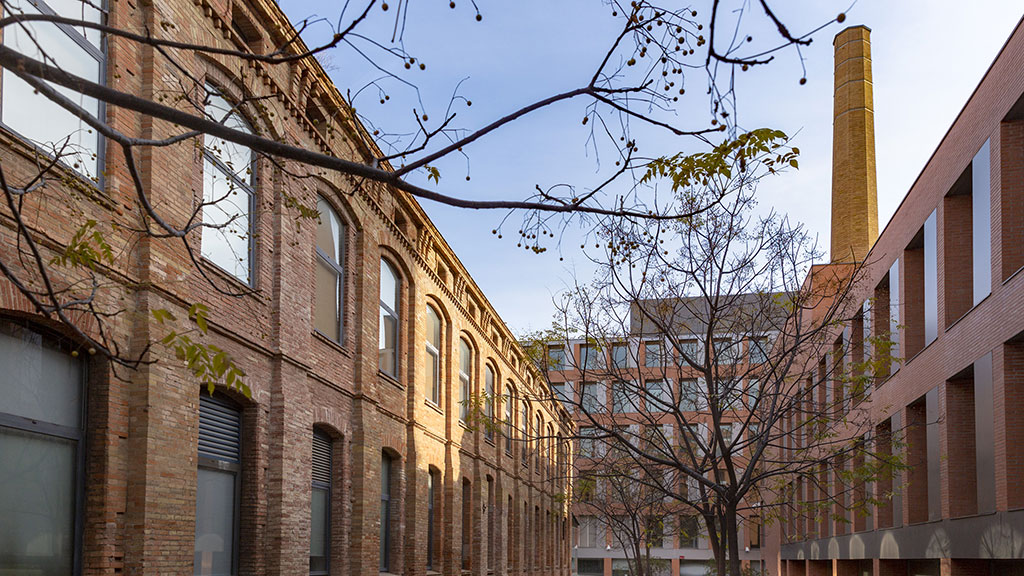
The UOC focuses its research on five missions to tackle global challenges
With more than 50 research groups, the university is committed to open, interdisciplinary knowledge connected to societyKnowledge transfer and entrepreneurship are key factors in maximizing the social impact of the UOC's scientific work
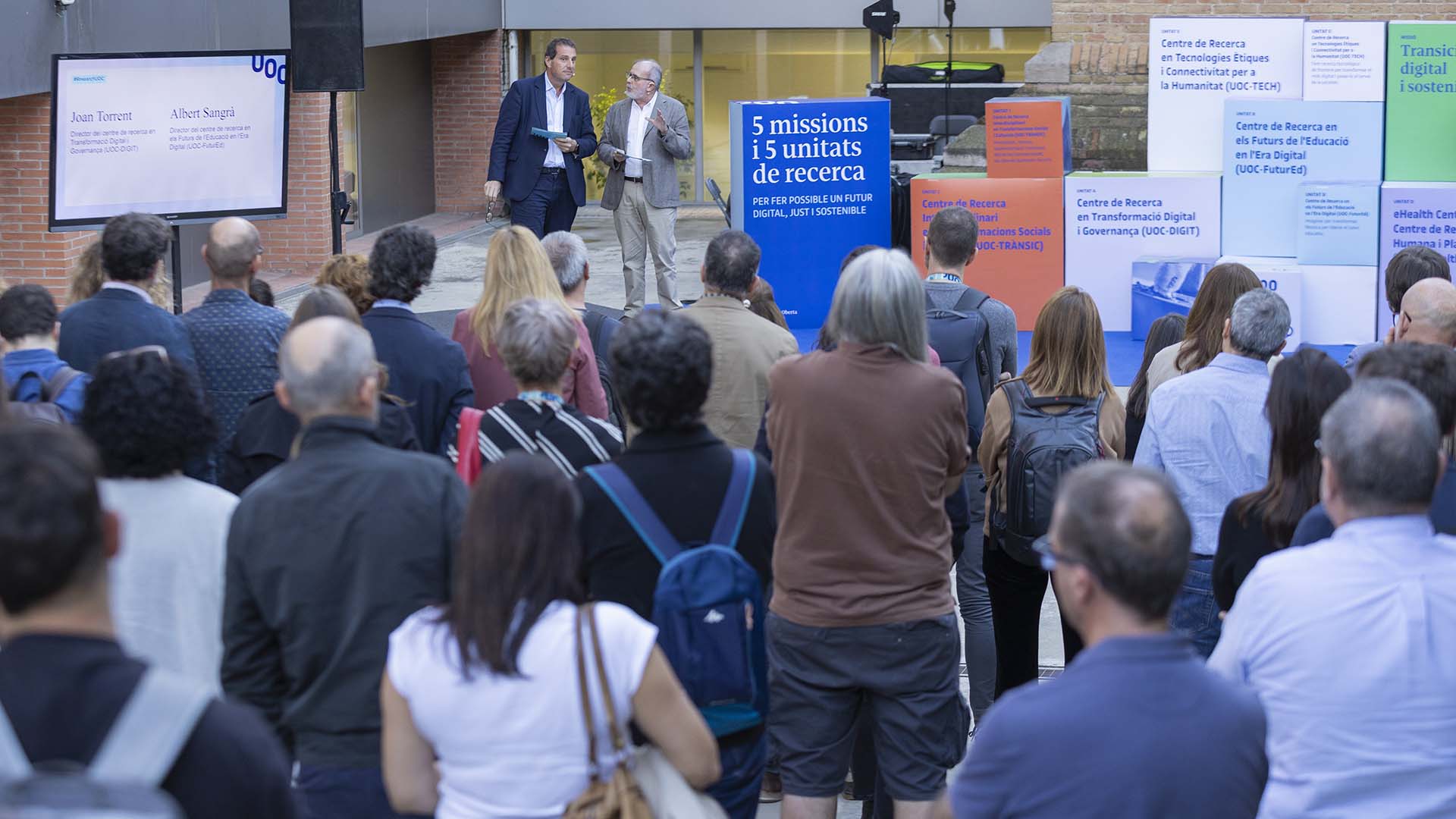
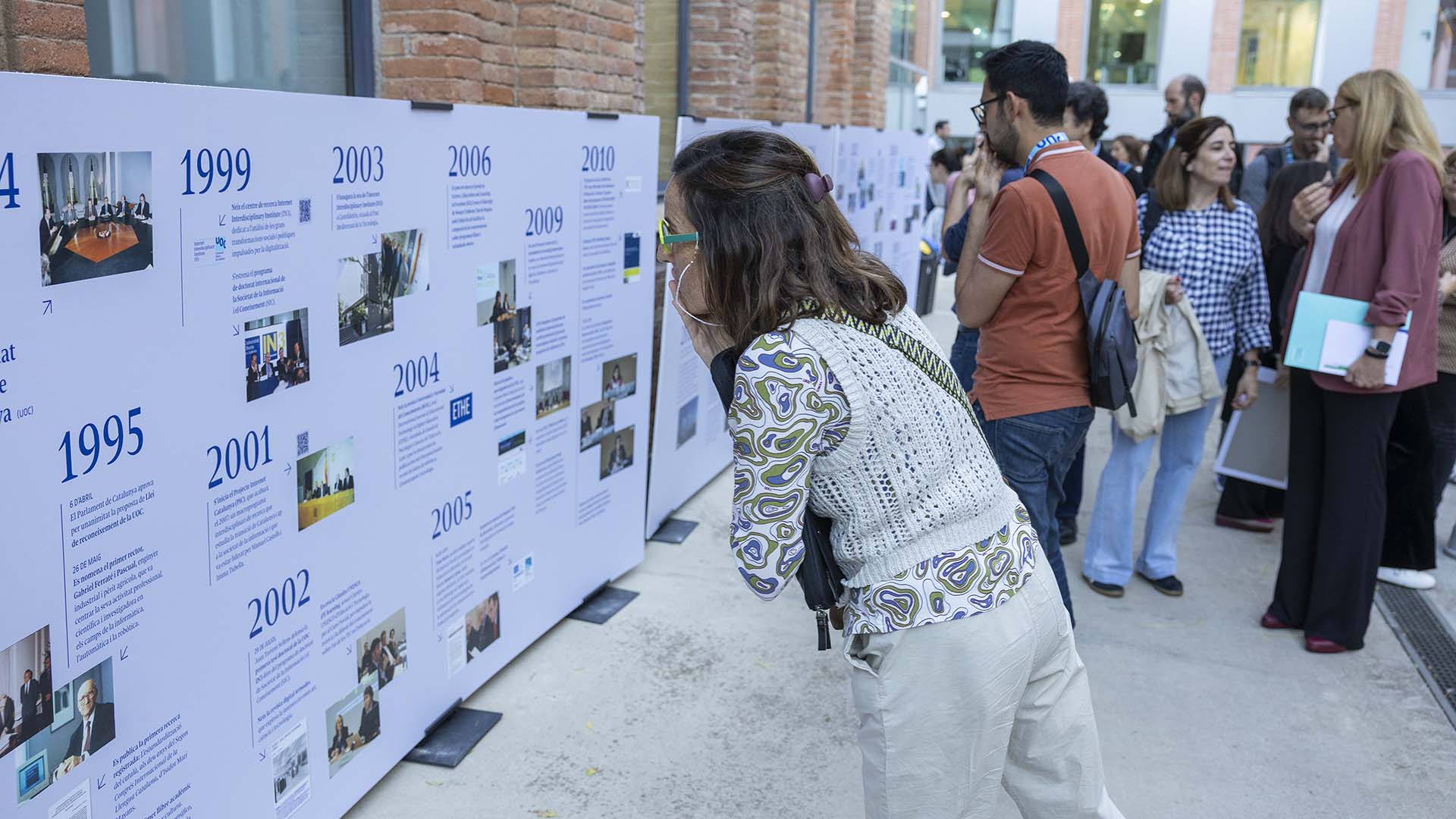

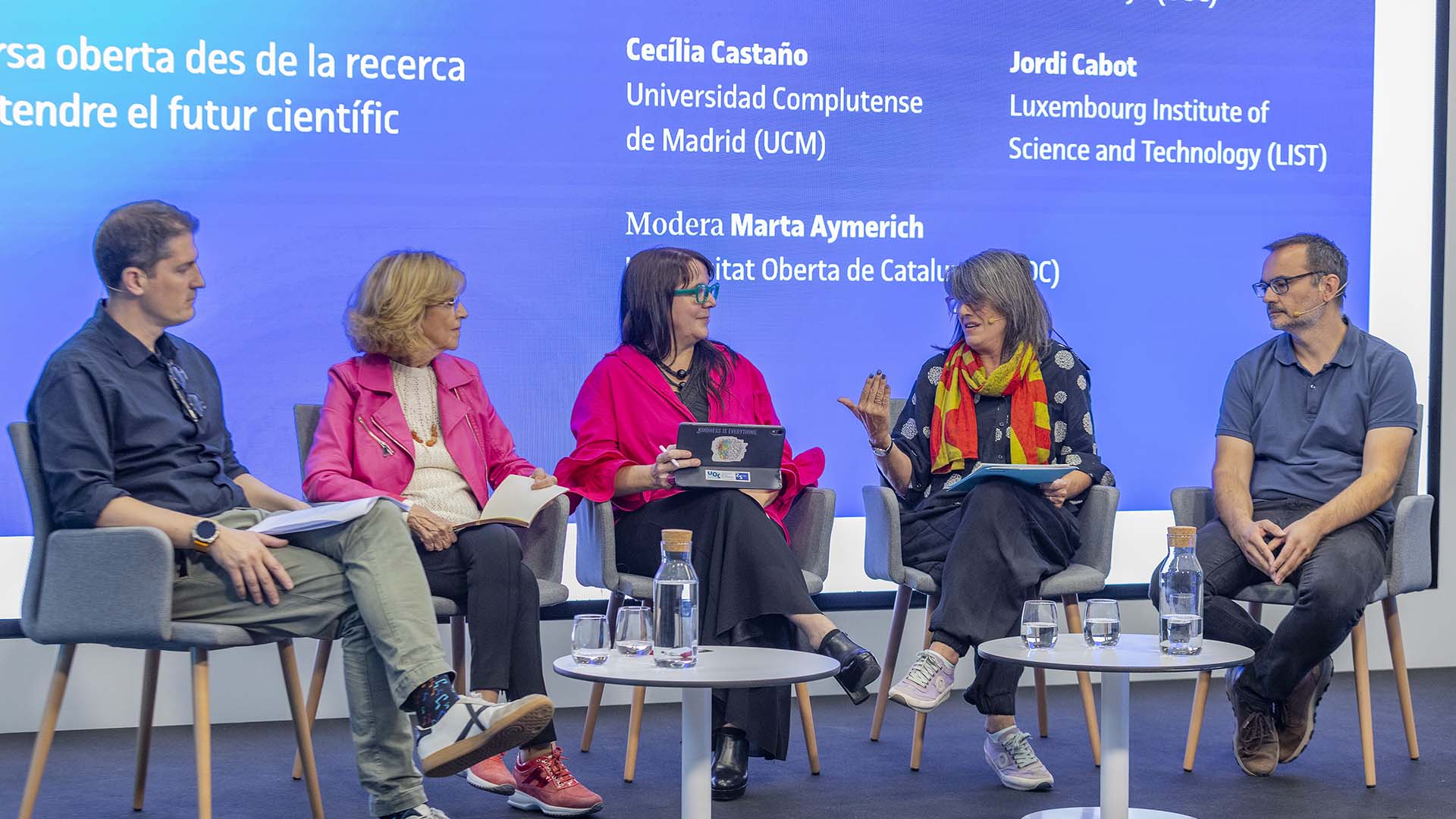
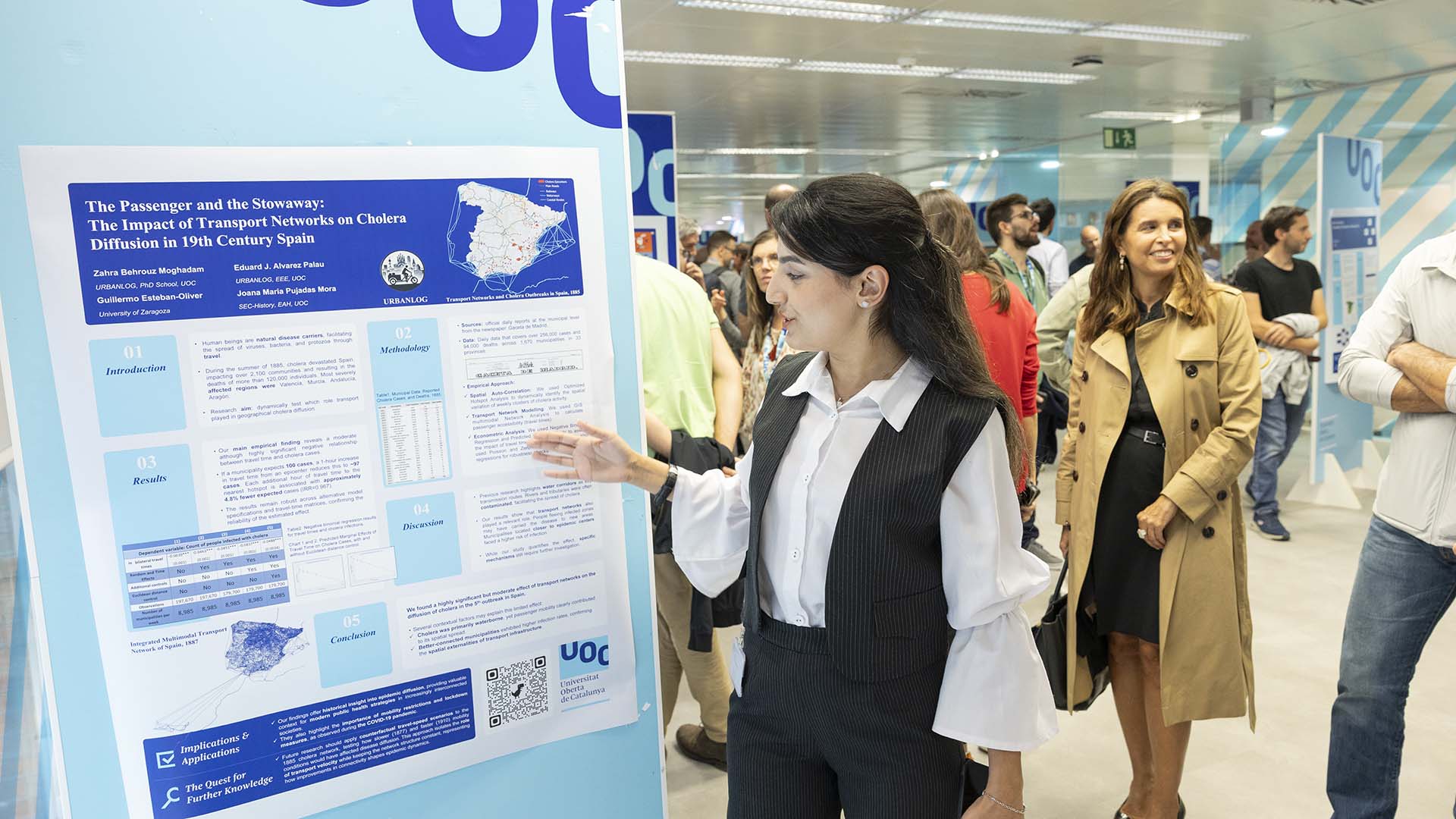
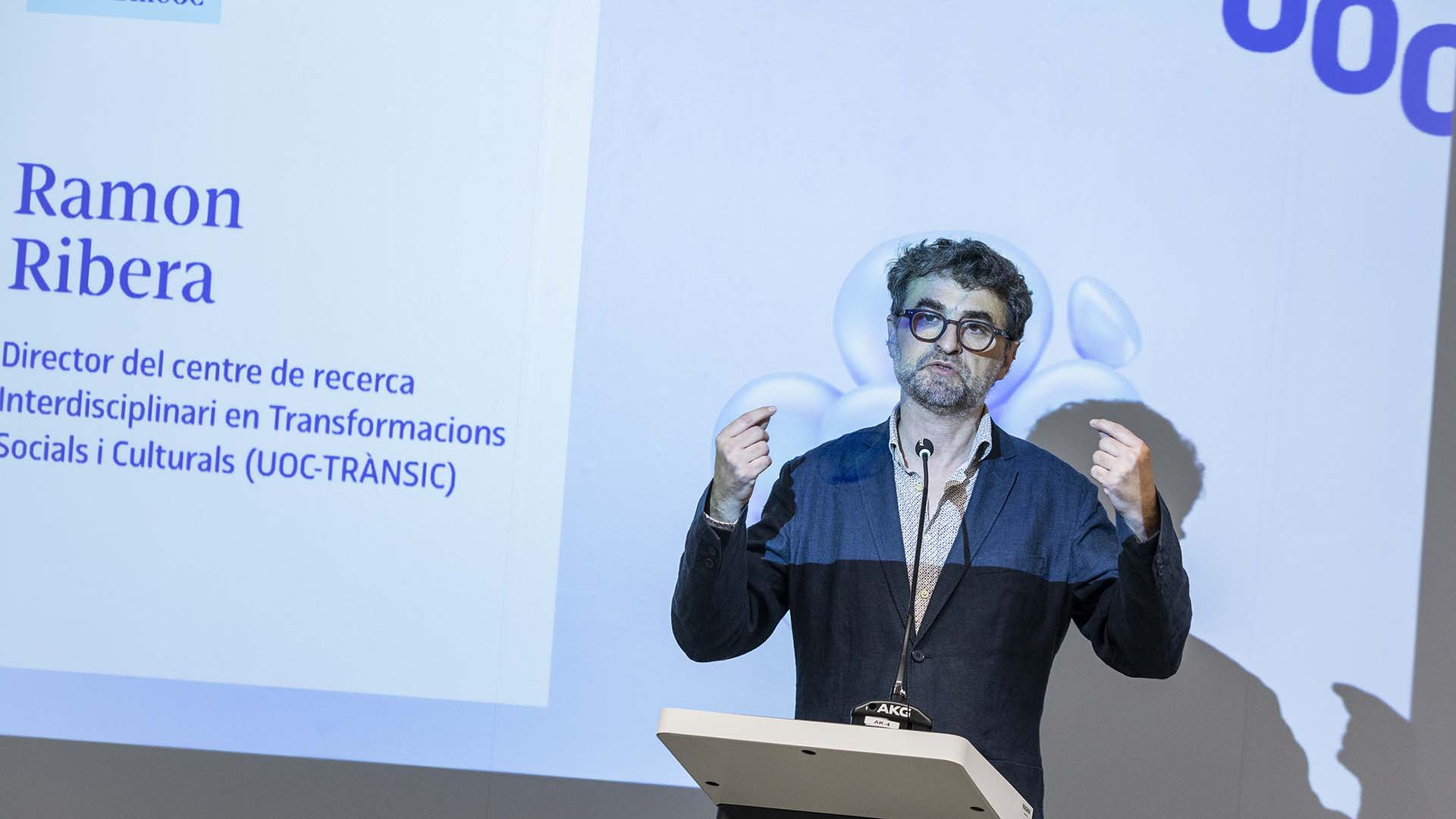
The Universitat Oberta de Catalunya (UOC) sees research as a strategic tool, conducted in an applied, interdisciplinary framework, and linked to major social, technological and educational challenges. The importance of the university's research activity is shown by the fact that its current research projects secured more than €32 million in funding last year and, since the university's foundation, its research staff have been involved in the publication of around 7,000 scientific articles.
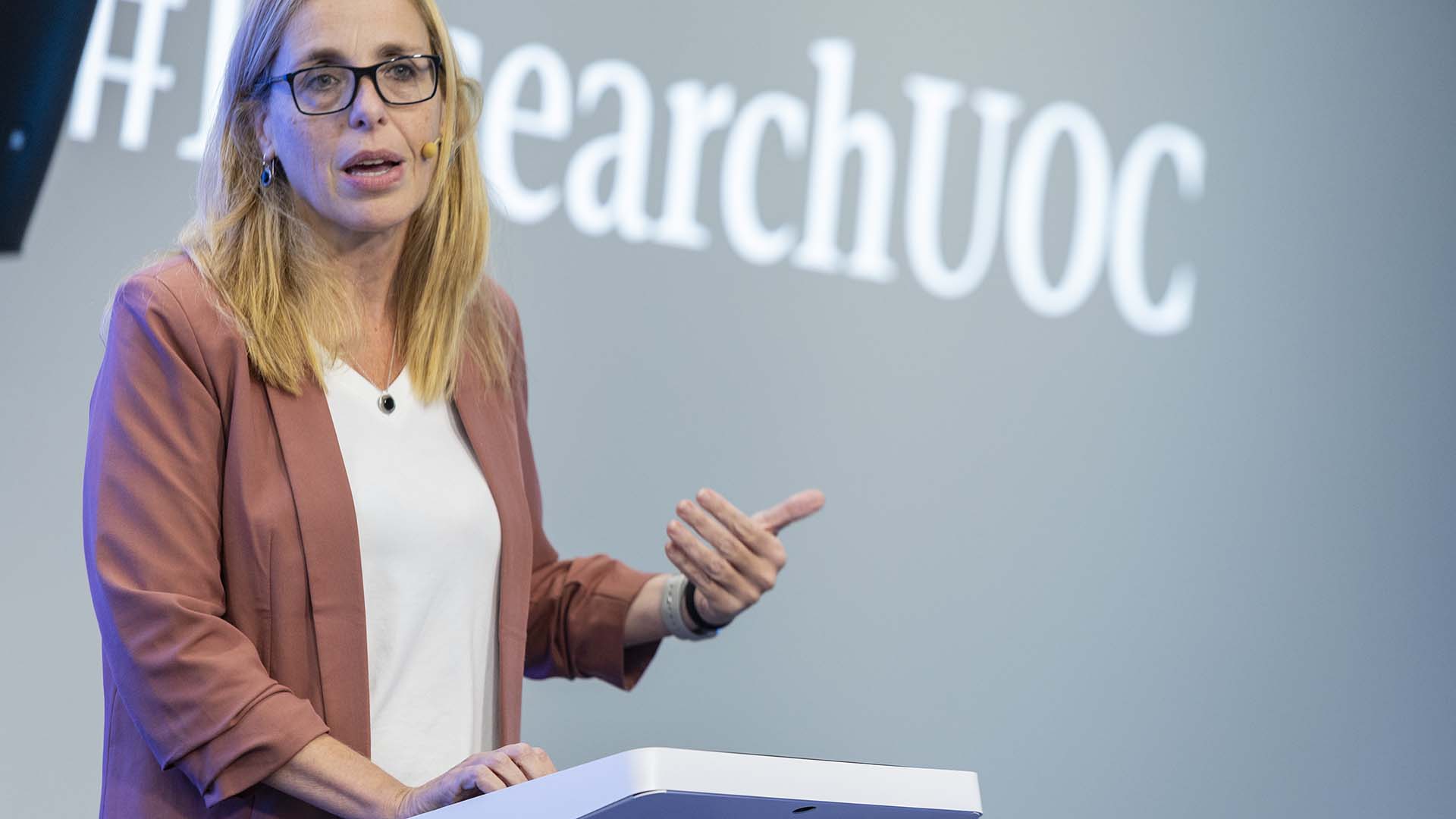
"We're seeking to focus our research and knowledge transfer activity on the major challenges facing society, and we need to do this based on a transdisciplinary and translational approach, making the discoveries more accessible to the public. We'll only be able to fight against disinformation and build trust through open science, which must be seen as a tool for democratization," said UOC Rector Àngels Fitó.
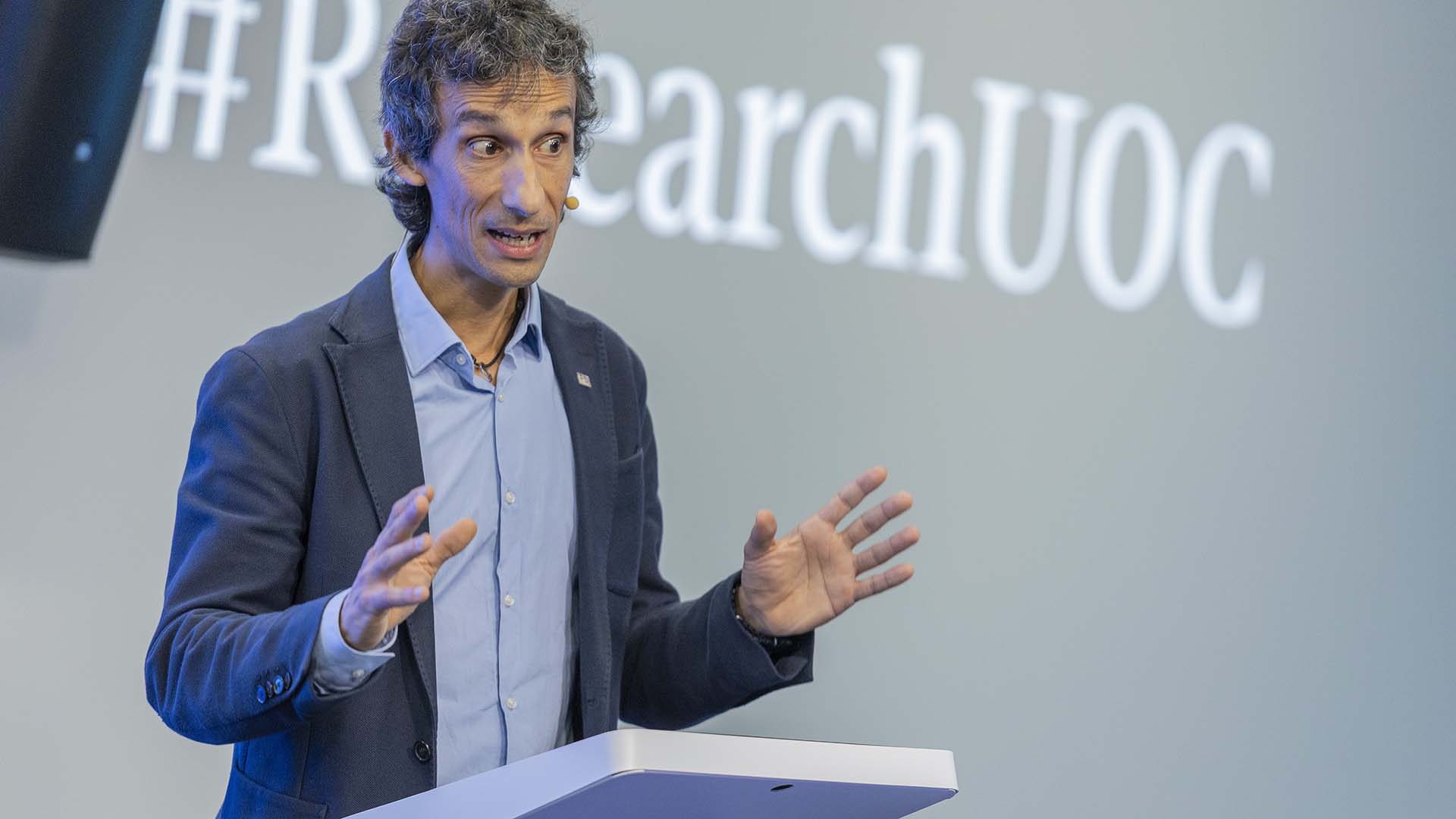
The UOC's scientific activity is carried out by more than 50 research groups, which work collaboratively, are organized into five units and have specialized laboratories. The research is also complemented by the Doctoral School as a key space for training. "We need to conduct research based on a spirit of ambition and curiosity, collaborating generously and never losing our passion for generating tangible value," said Professor Xavier Vilajosana, UOC Vice Rector for Research, Knowledge Transfer and Entrepreneurship.

The five research missions of the UOC act as cross-cutting frameworks that foster collaboration across disciplines and the generation of real-world impact
“We need to conduct research based on a spirit of ambition and curiosity, collaborating generously and never losing our passion for generating tangible value”
The five strategic pillars
In order to improve how its scientific activities address global needs, the UOC has based its strategy on five research missions that provide cross-disciplinary frameworks which foster collaboration between fields and the generation of real impact.
- Lifelong education. Training and empowering people throughout their lives to create opportunities for change and improvements to their lives. The UOC sees learning as a continuous and transformative process that goes beyond formal education, and promotes new, flexible and accessible models to build a more independent, fair and critical society.
- Ethical and human-centred technology. Creating new organizational and technological models at the service of people. The UOC's research is committed to technology that improves everyday life, promotes sustainability and incorporates an ethical approach into the design and use of innovations.
- Digital transition and sustainability. Analysing and supporting the social, environmental and economic transformations arising from digitization. The university works to ensure that the digital transformation is a driving force for a green, fair and inclusive transition, which can influence public policies and sustainable models for the future.
- Culture for a critical society. Fostering narratives and imaginaries that contribute to critical, diverse and plural citizens. Culture, the arts and creativity are considered tools for opening up collective new horizons and building a society that values diversity as a driving force for change.
- Digital health and planetary well-being. Promoting human health and well-being with an all-encompassing approach, interconnected with the health of ecosystems. Research in this field is committed to using digital technologies to improve prevention, quality of life and equitable access to healthcare.
Open, interdisciplinary and socially connected research
The UOC has tripled its research output in recent years. In the words of Vilajosana, this increase "can be explained by the combined efforts of the research groups and the teams that support them". He explained that the mission-oriented model fosters competitiveness within the system, and can open up new opportunities for attracting talent and creating value that can be transferred to society.
The university is also firmly committed to knowledge transfer as a key factor in maximizing the social and economic impact of its activities. Indeed, the institution has a TECNIO certification, which is awarded by the Government of Catalonia to institutions with outstanding technological capabilities.
As evidence of its capacity for innovation, over its three decades of history, the university has filed more than 30 patents, launched six spin-offs and seen its Hubbik entrepreneurship platform support over 1,700 projects.
 Album with all the photos from the event celebrating 30 years of research at the UOC
Research for transformation
The UOC's research strategy reinforces its identity as a university committed to social transformations. Its research missions not only align its scientific work with global challenges, but also highlight its desire to have an impact on the future of knowledge and to move towards a more critical, responsible and independent society.
"A UOC that's strong in research not only consolidates its scientific leadership, but also reinforces its excellence in a way that runs through the entire institution, including its teaching," concluded Vilajosana.
Transformative, impactful research
At the UOC, we see research as a strategic tool to advance towards a future society that is more critical, responsible and nonconformist. With this vision, we conduct applied research that's interdisciplinary and linked to the most important social, technological and educational challenges.
The UOC’s over 500 researchers and more than 50 research groups are working in five research units focusing on five missions: lifelong learning; ethical and human-centred technology; digital transition and sustainability; culture for a critical society, and digital health and planetary well-being.
The university's Hubbik platform fosters knowledge transfer and entrepreneurship in the UOC community.
More information: www.uoc.edu/en/research
Experts UOC
Press contact
-
Anna Torres Garrote