"If someone with ASD can excel in communications, they can excel in any sector"
Marc Compte Pujol, expert in communication and inclusion in the workplace and member of the UOC's GAME research group
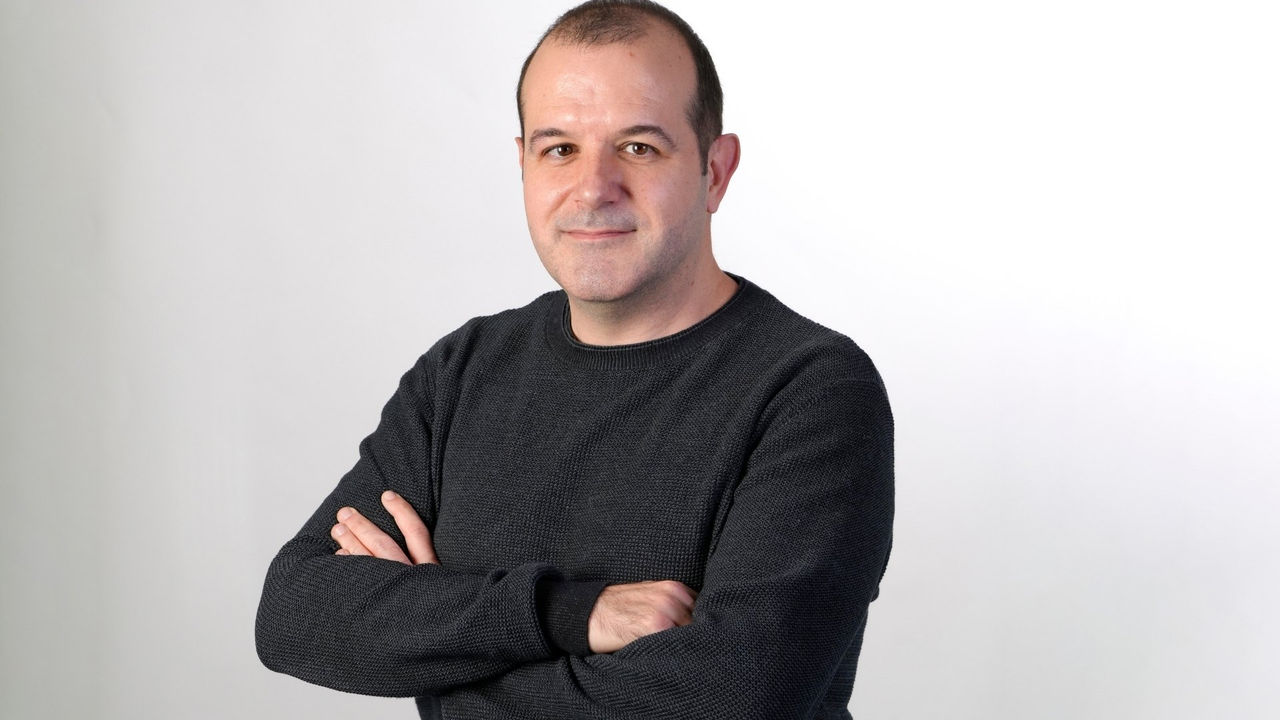
As World Autism Day approaches on 2 April, Marc Compte Pujol has presented a study on the employment prospects of people with autism spectrum disorder (ASD) in the communications and public relations sector. Pujol is a researcher with the Learning, Media and Entertainment Research Group (GAME), linked to the UOC-TRÀNSIC research centre at the Universitat Oberta de Catalunya (UOC), and a member of the UOC's Faculty of Information and Communication Sciences, where he specializes in communication and inclusion. Published as open access in Comunicació: Revista de Recerca i d'Anàlisi by the Societat Catalana de Comunicació, the study fills a gap in the literature on people with ASD, showing that with even minimal workplace adaptations they can bring considerable value and talent to the sector. In this interview, Pujol explains what can be done to help people with ASD broaden their horizons and enter a world of work that has traditionally been closed off to them.
“With minimal workplace adjustments, they can bring real value to the sector.”
Why did you decide to research how people with autism can fare in the communications sector?
The idea stems from a clear research gap, as there are practically no studies on autism in this area. The sector talks a lot about diversity, but we don't really know who works in it or under what conditions. The study aims to shine a light on this unseen issue and analyse a paradox: the sector requires a lot of social interaction, but it also needs very precise skills that are linked to the strengths of people with ASD, such as data analysis or writing to very demanding standards.
Autism is often associated with communication difficulties. How do you explain its fit in a sector that relies on communication?
It depends on how we understand communication. If it's a matter of small talk, interpreting ulterior motives or improvising, ASD can indeed be a barrier. But if we treat communication as building clear, direct, functional and rigorous messages, then there are really powerful strengths. The fact is that people with this profile have great potential for clear, function-oriented communication.
Which prejudices still affect people with ASD the most?
Myths still persist: "they can't work in a team", "they have no empathy" or "they're not good at dealing with customers". There's also the opposite myth: the idea of constant "genius", as if they were all gifted. But the reality is much more diverse. ASD is not a single profile, but a practically infinite spectrum. Depending on how a work environment is designed, it will be easier to harness their talent. That's why it's so important for this environment to be customizable. It's better to ask what's needed than to make generalized assumptions.
What value can a person with ASD bring to a communications firm or department?
They provide rigour, attention to detail and strict adherence to deadlines. They also have an outstanding ability to think laterally, connect ideas and spot patterns. Their analytical profile is really valuable when it comes to working with data and metrics in digital environments. Lastly, they bring a work ethic based on honesty and integrity, with no pretence.
What adaptations can companies make to facilitate their inclusion?
They can often implement inexpensive, targeted changes. Examples include offering flexible remote working options, reducing sensory stimuli (light, noise, etc.) and providing clear written instructions instead of verbal or off-the-cuff indications. Ideally, meetings should be structured so that everyone has an opportunity to speak. Most importantly, people should be evaluated based on their results rather than their social skills. These changes make organizations more efficient for everyone, not just for people with ASD.
If they have so much potential, why is the sector still so inaccessible?
The bottleneck is usually the environment itself. The communications sector has a culture of constant urgency. You have to be available at all times, and networking is overemphasized as professional currency. There are also selection processes based almost exclusively on social performance and endless meetings that reward people who make themselves seen rather than producing tangible results. Many people with ASD struggle with sensory overload (noise, lights) and the demands of multitasking, and end up being left out.
Many also prefer not to disclose their condition at work. Why?
Because there's a vicious cycle: if the condition goes unseen, it seems not to exist. If it doesn't exist, there are no onboarding policies. And without such policies, people remain silent for fear of stigma. If they speak up, they risk facing prejudice or discrimination when it comes to promotion. But if they don't, they lose access to adaptations and end up overexerting themselves to fit in, which can lead to burnout.
Do you think the communications sector leads by example in terms of neurodiversity?
Not yet. There's a lot of talk about diversity, but the reality is that there is more awareness of gender and race. Neurodiversity is still lagging behind. Many companies required to meet legal disability quotas prioritize physical disabilities and overlook autism. The narrative is certainly improving, but practical implementation is still slow and, all else being equal, employers still tend to favour other candidates.
What role can artificial intelligence play in this integration process?
AI can be a powerful ally because it breaks down three major barriers: ambiguity, overload and improvisation. It can help to structure information (summarizing meetings, organizing ideas), reduce executive load (prioritizing tasks) and make communication more accessible (adjusting the tone of messages without losing their literal meaning). This allows people with ASD to focus their talent on what really adds value: creativity and analysis.
What role should universities play in changing this situation?
Universities need to move from awareness to action, incorporating neurodiversity into the curriculum and offering different forms of assessment. Entering the labour market shouldn't depend on "knowing how to sell yourself". If someone with ASD can excel in a sector as demanding and unfavourable as communications, then with a little confidence and the right opportunities, they can excel in any sector.
Experts UOC
Press contact
-
Núria Bigas Formatjé