The Department of Umbrology: a project to reimagine cities with an emphasis on the protection afforded by shadows
The initiative led by the UOC will be unveiled on 26 January at 10 a.m. in the Fabra i Coats auditorium in Barcelona.Shadows can play a key role in the urban transformation needed to address the impacts of climate change
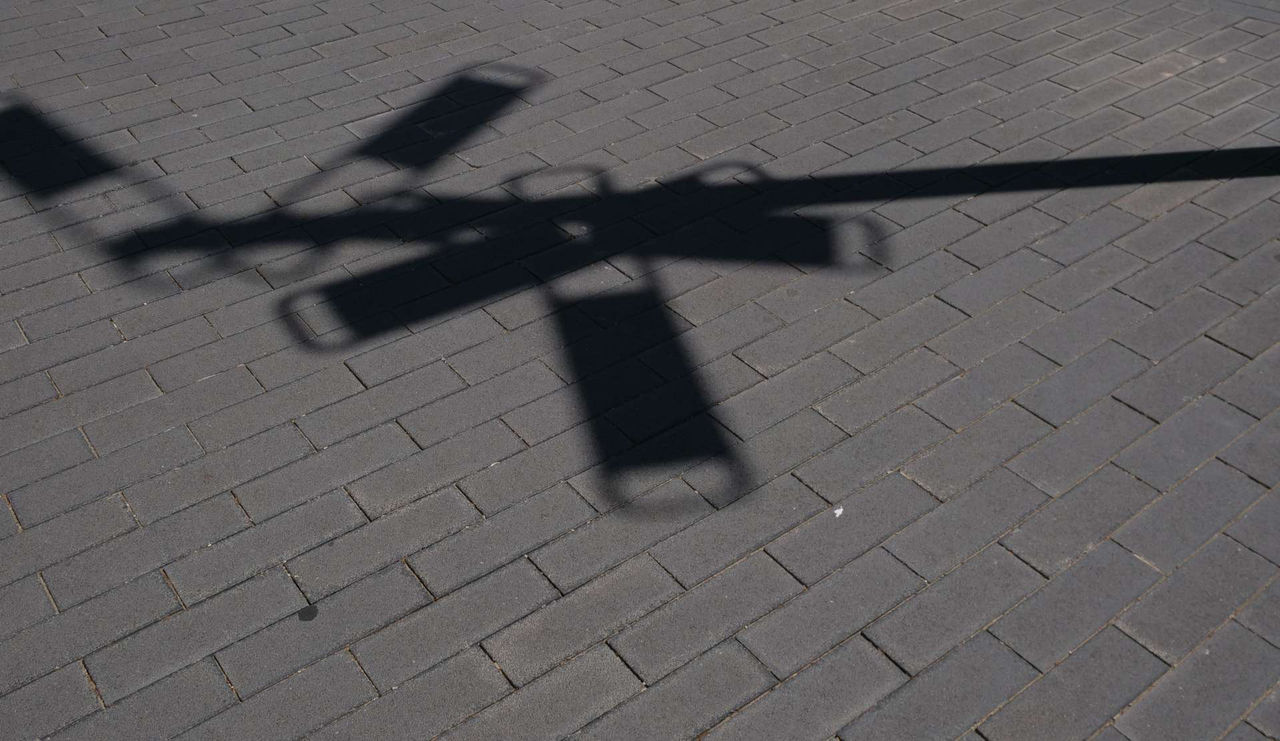
Shade is being used to combat extreme heat. From trees to climate shelters, awnings and parasols, urban societies are now seeking ways to adapt to the worst impacts of climate change: the World Health Organization (WHO) estimates that nearly half a million people die each year from health complications related to high temperatures, and that hundreds of millions are affected by extreme heat. Yet in a modern world that worships light and sunshine, finding solutions calls for an added dose of imagination.
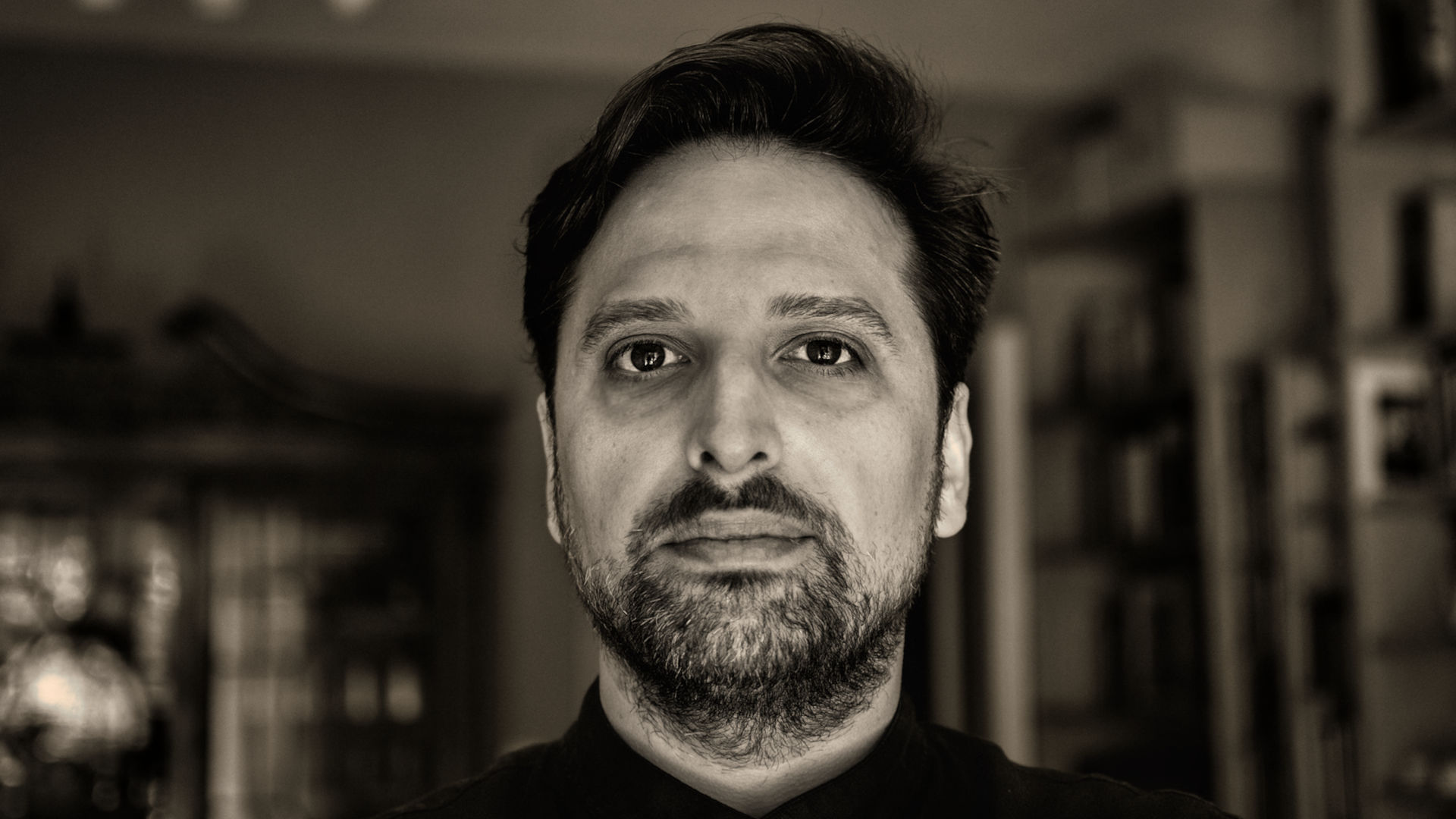
What if we were never solar beings? What if, to rediscover how to live in modern cities, we had to shift the sun's wild power from the centre and seek refuge in the shadows? This is the central hypothesis behind the new Department of Umbrology, a speculative initiative for studying and shaping urban life through shade, which will be unveiled on 26 January at 10 a.m. in the auditorium of the Fabra i Coats Art Factory in Barcelona. It will be led by anthropologist Tomás Criado, a Ramón y Cajal senior researcher within the CareNet group and a member of the teaching staff on the Master's Degree in Philosophy for Contemporary Challenges at the Universitat Oberta de Catalunya (UOC).
"Today, this broadly positive perception of the sun in the city requires a counterpoint: what should we do when the sun harms us or puts us at risk, as in extreme heat or exposure that can lead to melanoma? The peculiar modern solarity – the urban embodiment of the enlightened ideal of total visibility – seems ill-equipped to treat without prejudice everything that exists beyond its rays", said Criado. To overcome this apparent impasse, the Department of Umbrology will run workshops, seminars and games over the next two years, and will even organize a Festival of Shadows in 2027.
“The absence of shade exposes inequalities.”
Do we need more shade in our cities?
Shade has always been synonymous with coolness, rest, refuge and well-being, but today it can also represent collective, inclusive climate action. "The absence of shade highlights inequalities: older people facing deadly isolation in heat waves, racialized workers exposed to sunlight, vulnerable bodies neglected by urban design", explained Criado. "Extreme heat and other current climate shifts have brought today's cities to the greatest design crisis they've faced in recent centuries. This transformation, and the serious effects of inequality it produces, demands a profound rethinking of our conceptual and political institutions", he added.
The urban heat island effect is one of the greatest challenges of our time, drawing increasing attention from environmental sciences, bioclimatic architecture, epidemiology, the humanities and the arts. In Barcelona, for example, the average temperature is now more than 1.5 degrees Celsius higher than in the pre-industrial era, and the frequency of heat waves has increased from one every four years to five between 2022 and 2024 alone, according to data from Barcelona City Council. "Nineteenth-century solar urbanism put the sun at the heart of planning, demolishing dense, dark neighbourhoods for the sake of light and public health. Today, however, the sun can also be dangerous. That's why we advocate relearning to live in the shade", said the UOC researcher.
The Department of Umbrology was also founded on the premise that shade can't do everything and that it must be part of a broader collective climate transformation that addresses our energy use and the ways we design buildings and cities. This transformation must be joined by stronger democratic institutions, avoiding technocratic impositions and ensuring that no one is left out of the equation. "We'll need everyone's knowledge and efforts to face the challenges ahead. Shade has one huge benefit: it's so ordinary that everyone can grasp its significance", said Criado.

A department of shadows
What began to take shape in 2024 as part of a week-long workshop for Barcelona Architecture Weeks has grown into something far more ambitious. The Department of Umbrology, which is funded by the Daniel and Nina Carasso Foundation, is a transdisciplinary project that began on 1 December 2025 and is expected to run until 30 November 2027. It brings together four partners from the city of Barcelona, working at the intersection of the humanities, architecture, arts and environmental sciences: the CareNet and DARTS research groups, part of the UOC Interdisciplinary Research Centre on Social and Cultural Transformations (UOC-TRÀNSIC), the Arquitectura de Contacte collective, environmental experts and science communicators from Nusos Coop, and speculative artists from the Laboratorio de Pensamiento Lúdico.
The name of the project was drawn from fiction, inspired by the university department imagined by American writer Tim Horvath in his short story The Discipline of Shadows. "Beyond the name, however, our engagement with fiction takes a different form, tied to the crisis of political imagination in a present beset by multiple profound crises", said Criado. "The world is not only in crisis but also undergoing an acute, irreversible transformation, which should push us to imagine new ways of living, as well as new institutions for collective life that focus on the question of how to inhabit the planetary catastrophe in plural, particularly non-modern ways", he added.
Through seminars on science, architecture and the arts, awareness-raising activities, co-creation workshops on architectures of shade, installations to explore the meaning of digital shadows and speculative games, the Department of Umbrology was created with the mission of revitalizing knowledge and practices related to shade for the habitability of cities in the Anthropocene – a new era marked by human impact on the Earth system.
"The city of shadows introduces a new poetics of situated climate action: a vision of climate protection that is tangible, made with our own hands. In my view, that's where its power resides", said Criado. "Faced with globalizing narratives and a focus on the big picture, perhaps the community's shadow offers a grounded way to protect grassroots innovation and foster an experimental culture of warmth? The Department of Umbrology seeks to safeguard the initiatives of emerging consortia against established actors, to explore more plural and changing ways of life, and to confront the urban challenges of today and tomorrow", Criado said.
The Department of Umbrology will be launched on 26 January at 10 a.m. in the Fabra i Coats auditorium in Barcelona. For more information about the project, please visit the website: umbrology.org
The project aligns with the UOC's research missions Digital transition and sustainability and Planetary health and well-being, and contributes to the following UN Sustainable Development Goals (SDGs): 3, Good Health and Well-being; 11, Sustainable Cities and Communities; and 13, Climate Action.

Experts UOC
Press contact
-
Sònia Armengou