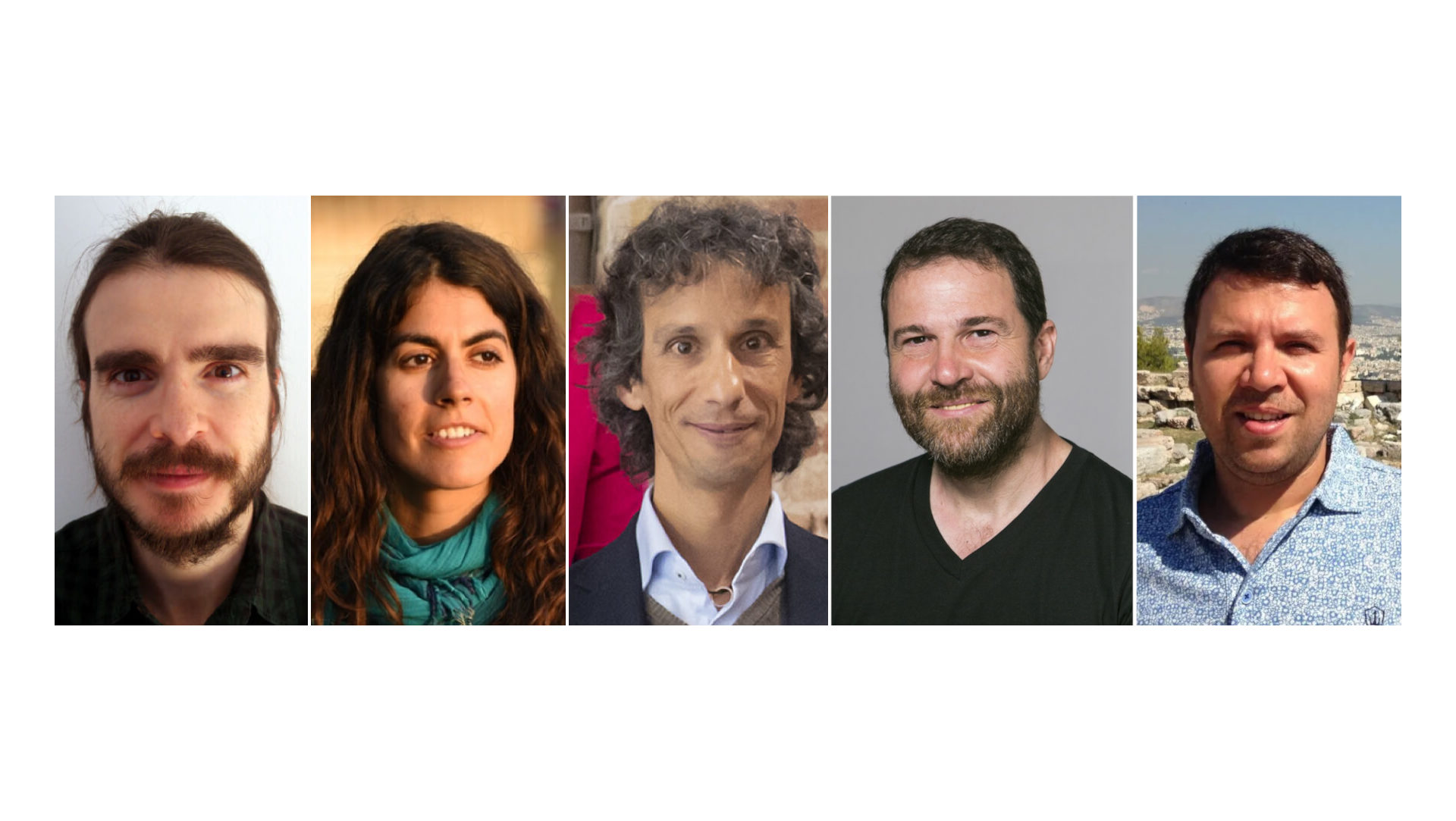
Five UOC researchers among the world's most cited in the new Stanford ranking
UOC experts in the internet of things, water management, tourism, public health and nutrition have been included in this prestigious scientific index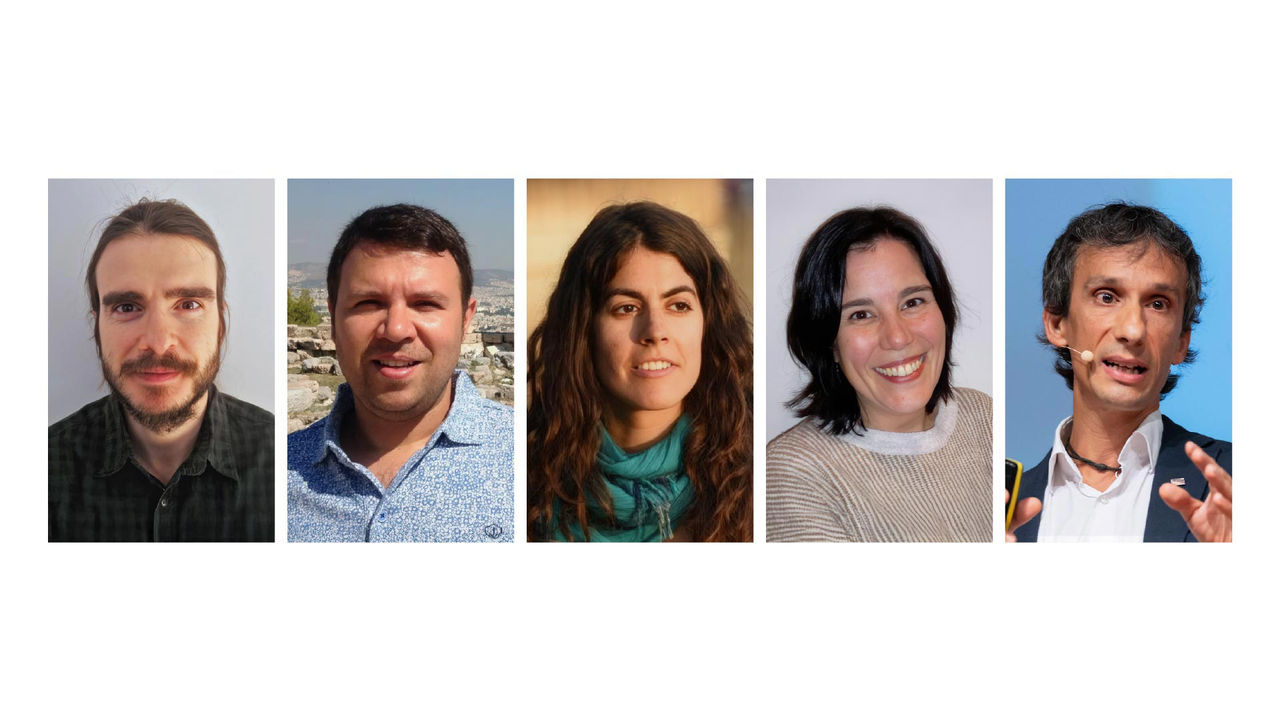
Once again this year, research staff at the Universitat Oberta de Catalunya (UOC) have been listed in the ranking of the world's most cited scientists drawn up by the publishing house Elsevier and Stanford University. Five academics at the UOC feature in the 2024 edition of this prestigious ranking of the top 2% most cited researchers worldwide.
Xavier Vilajosana, Vice Rector for Research, Knowledge Transfer and Entrepreneurship, said that the inclusion of UOC research staff in these rankings "bears witness to the global impact and international recognition of research. Beyond mere metrics, it reflects our teaching and research staff's ability to produce relevant knowledge that is aligned with major social and scientific goals." Vilajosana, who is a full professor and member of the Wireless Networks (WINE) research group at the UOC-TECH centre, also features in the ranking, as he has done in previous years, for his Networks and Telecommunications, and in the field of Information and Communication Technologies.
“It reflects our teaching and research staff's ability to produce relevant knowledge that is aligned with major social and scientific goals”
Other names in the ranking include Professor Hug March, who has once again been named as the UOC's most cited researcher for his Geography, and Urban and Regional Planning work in the field of Social Sciences. March is one of the coordinators of the Urban Transformation and Global Change Laboratory (TURBA Lab) – part of the UOC TRÀNSIC centre – and a member of the Faculty of Economics and Business. As an expert in political ecology in the water cycle, his research addresses drought, financialization and water procurement technologies, urban sustainability and transformative adaptation, as well as the point at which the ecological and digital transitions converge.
Lluís Garay, a member at the same faculty, has received recognition, just like he did last year, for his work in Sports, Leisure and Tourism, and in Geography, in the field of Economics and Business. Garay, who is one of the coordinators of the New Perspectives in Tourism and Leisure (NOUTUR) group of the UOC-DIGIT centre, said that "despite taking a critical view of these kinds of rankings, it is an honour to feature in this one. I'd like this to be seen, above all, as a testament to the quality of the research carried out at my faculty, particularly in the field of tourism."
Garay reflected that "we've put a lot of effort in this field into balancing very demanding teaching and administrative workloads with sustained growth in our research in terms of both quality and impact." He also noted that "research in the field of tourism has evolved significantly over the last few decades." From his work, he highlighted Life cycles, stages and tourism history: The Catalonia (Spain) experience, which arose from his doctoral thesis and was responsible for sparking his initial interest in his field.
Another repeat appearance in this edition of the Stanford ranking was made by Margarita Triguero-Mas, a researcher at the Barcelona Interdisciplinary Research Group on Planetary Health (BITAL) of the UOC's eHealth Centre, for her work in Toxicology and Public Health in the field of Biomedical Research. Her work focuses on finding solutions to the global issues of the Anthropocene, such as climate change and biodiversity loss, with particular emphasis on the key role of interdisciplinary collaboration in continuing to foster healthier environments for all species and for the planet as a whole.
Gemma Chiva-Blanch completes the list of UOC academics ranked among the top 2% most cited by other scientists in the world for her work in Nutrition and Dietetics, and Cardiovascular System and Haematology in the field of Clinical Medicine. The researcher, who co-coordinates the Nutrition, Food, Health and Sustainability group (NUTRALiSS) – also part of the eHealth Centre – looked back on over 20 years of studying the relationship between diet and health with a particular focus on cardiovascular health: "It's not an easy journey, and receiving international recognition for your research is an honour and a source of pride given its impact on both the scientific community and society as a whole."
From her body of work, Chiva-Blanch, who is also a member of the UOC's Faculty of Health Sciences, highlighted her published research on the effect of diet on bone density in senior citizens and cardiovascular disease prevention through a diet rich in fruit and vegetables.
About the Stanford ranking
Stanford University's list of "World's Top 2% Scientists" is one of the most respected rankings in the international scientific community. Each year, it identifies the most cited scientists worldwide, based on the number of times their academic publications have been cited, and compiles a list of the top 2% of authors most cited by other academics.
The importance of quantitative assessment
Many institutions operate on the basis that both quantitative and qualitative indicators must be used in the assessment of scientific staff. For this reason, the UOC is one of the institutions backing a new assessment model, as reflected by actions such as signing the San Francisco Declaration (DORA) in 2019 and founding the International Coalition for Advancing Research Assessment (CoARA) in 2021. Indeed, the UOC has implemented the CoARA Action Plan 2024-2027 to promote internal improvements to research assessment among its teaching and research staff.
Transformative, impactful research
At the UOC, we see research as a strategic tool to advance towards a future society that is more critical, responsible and nonconformist. With this vision, we conduct applied research that's interdisciplinary and linked to the most important social, technological and educational challenges.
The UOC’s over 500 researchers and more than 50 research groups are working in five research units focusing on five missions: lifelong learning; ethical and human-centred technology; digital transition and sustainability; culture for a critical society, and digital health and planetary well-being.
The university's Hubbik platform fosters knowledge transfer and entrepreneurship in the UOC community.
More information: www.uoc.edu/en/research
Experts UOC
Press contact
-
Anna Torres Garrote