Women lead research conducted by the UOC
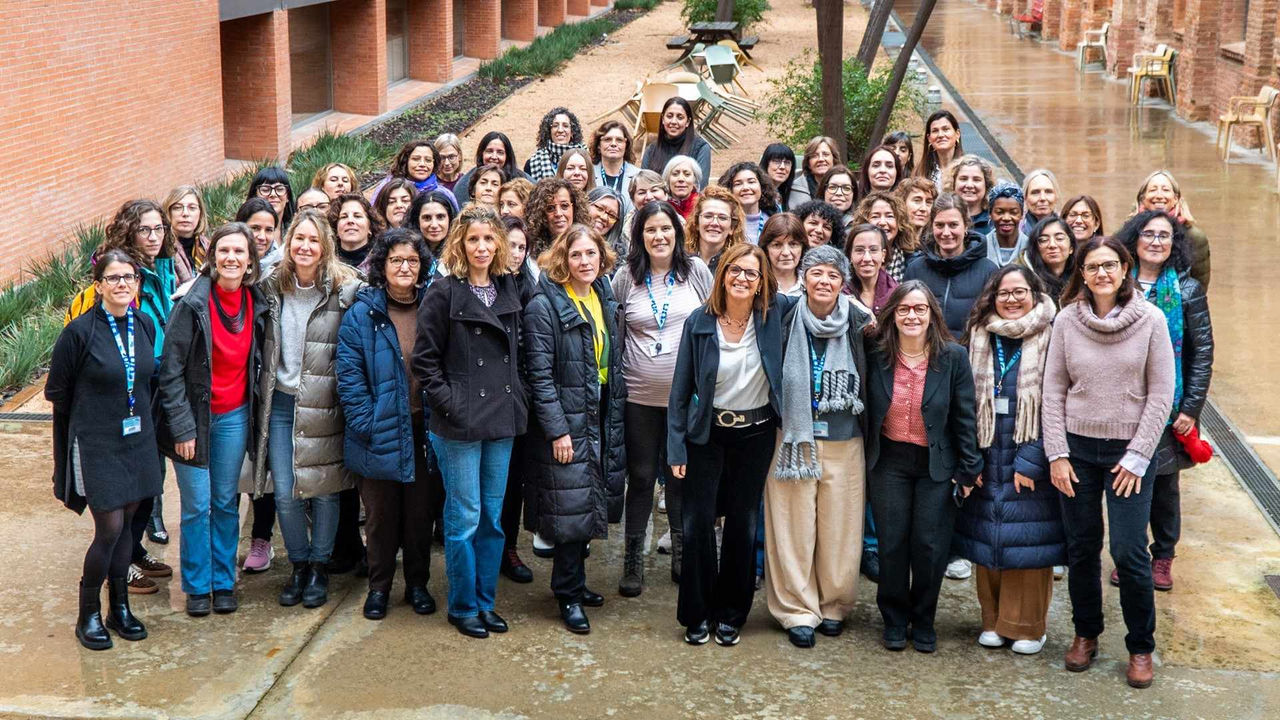
Women make up more than 52% of researchers, and female leadership in research groups recognized by the Government of Catalonia (SGR) has doubledThe proportion of women leading research projects has risen: the number of female principal investigators (PIs) has increased by eight points in four years, and now stands at 45.1%
This year marks the 25th anniversary of the publication of the first draft of the human genome, a landmark scientific breakthrough that has advanced our understanding of the foundations of life and the development of treatments for countless diseases. Yet, beyond Rosalind Franklin, the major contributions of pioneering women scientists in this field have often been overlooked. To address this historical injustice, which occurs across all areas of science, and to raise the profile of the work of women researchers in STEM, in 2015 the United Nations established 11 February as the International Day of Women and Girls in Science.
While much remains to be done to achieve gender equality in the scientific field, efforts to promote scientific vocations among women and to remove the obstacles encountered at various stages of a scientific career are beginning to bear fruit.
The UOC is an example of this. The latest data, from 2020-2024, show a sustained and structural increase in the presence of women in research at the university, with clear progress in both numbers and positions of responsibility.
In fact, the UOC stands out in the Catalan university ecosystem, with more than 50% of research staff being women and, notably, nearly 80% of research groups recognized by the Government of Catalonia (SGR) with women as principal investigators (PIs) – almost double the figure for 2020, when the percentage of women PIs in these groups was 47.62%.
Across all PIs, the proportion of women has also risen, from 50.5% to 52.9%. These women PIs lead 45.1% of competitive and institutional projects at the UOC, which represents an increase of 8 points compared to 2020.
This remarkable growth shows that female leadership in research at the UOC is not anecdotal but structural, the result of a determined, pioneering and sustained commitment by the university.
According to Milagros Sáinz, coordinator of the Gender and ICT (GenTIC) group, affiliated with the UOC-TRÀNSIC research centre, "it's vital to recognize that this is not only about there being more women, but about ensuring that, throughout their lives, they have the same opportunities as their male peers to pursue a scientific career and to hold key leadership positions within the research system".
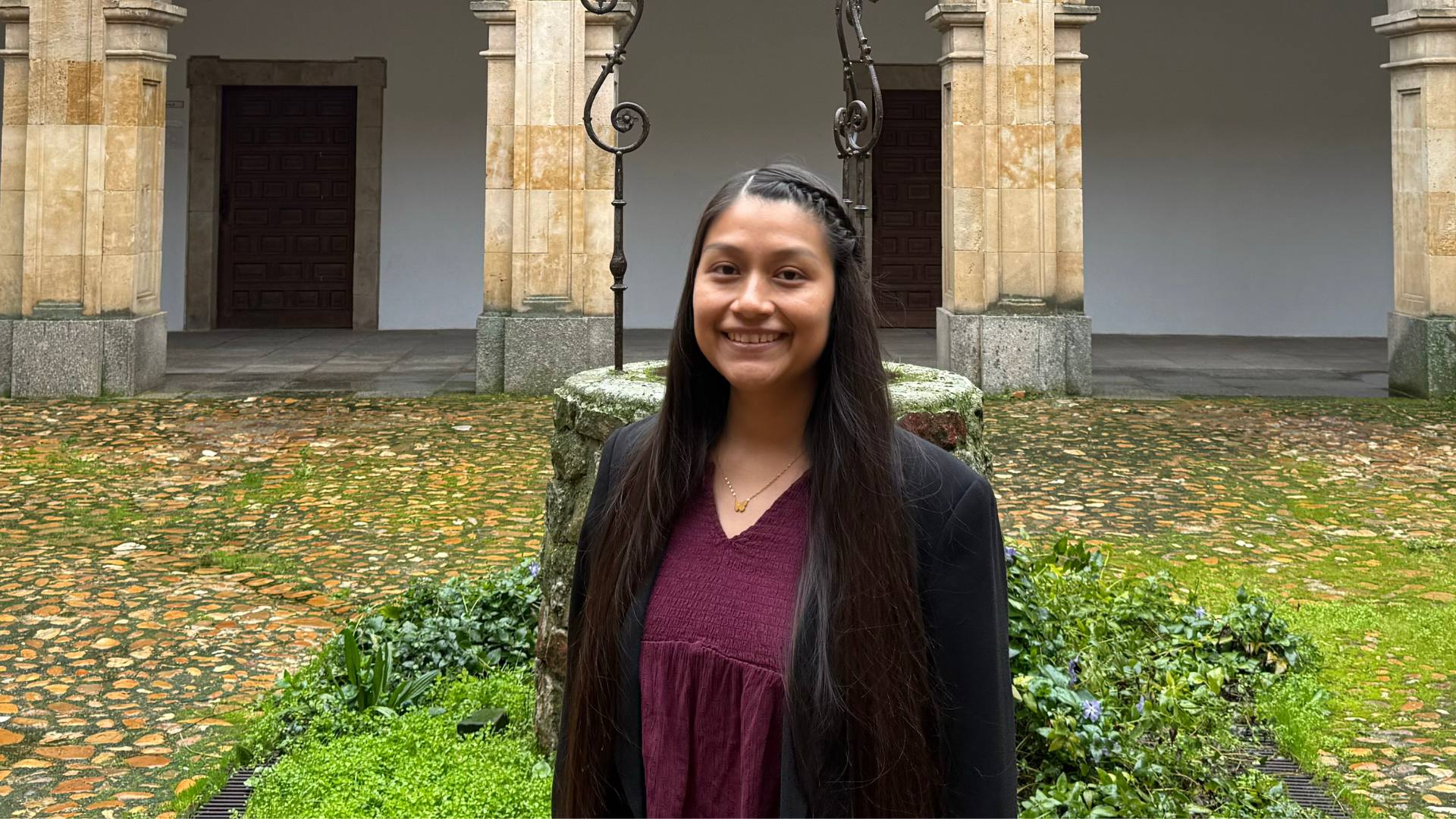
Likewise, in the words of Patricia Hernández, member of the Empirical and Applied Victimology (VICRIM) group, affiliated with the UOC-DIGIT research centre, "research is about exploring the unknown to better understand the world around us and the challenges we face as a society".
According to Hernández, the presence of women in research is not a matter of quotas, but of quality and innovation: "Our presence is essential to define and redefine the questions we seek to answer, bringing a multidisciplinary perspective focused on achieving greater social impact and applying a form of leadership based more on transformation than on competition."
Reversing the trend in research
Compared with the Catalan university system as a whole, this trend at the UOC is beginning to reverse the well-known scissor-shaped graph, which is commonly used to describe women's trajectory in research and, unfortunately, remains valid. This is shown by an analysis carried out by CERCA based on data from the UNEIX database (2023), which indicates that the gender imbalance in research careers begins at the end of the doctoral stage: women account for 56% of predoctoral researchers, a figure that falls to 53% after completion of the doctorate. In addition, women account for just 42.1% of teaching and research staff at Catalan universities. Within the system, they account for only 45% of group leaders or PIs.
According to Manel Jiménez-Morales, the Vice Rector for Alliances, Community and Culture, "between 2020 and 2024, the UOC consolidated a genuine transformation of its knowledge system, moving towards a more balanced, inclusive and socially responsible model. The sustained increase in female leadership in science is not only an indicator of equality, but also a marker of quality, innovation and social impact. In the context of the International Day of Women and Girls in Science, these figures reaffirm the UOC's commitment to structural change to ensure that scientific talent, in all its diversity, can fully develop and help address the great challenges of our time."
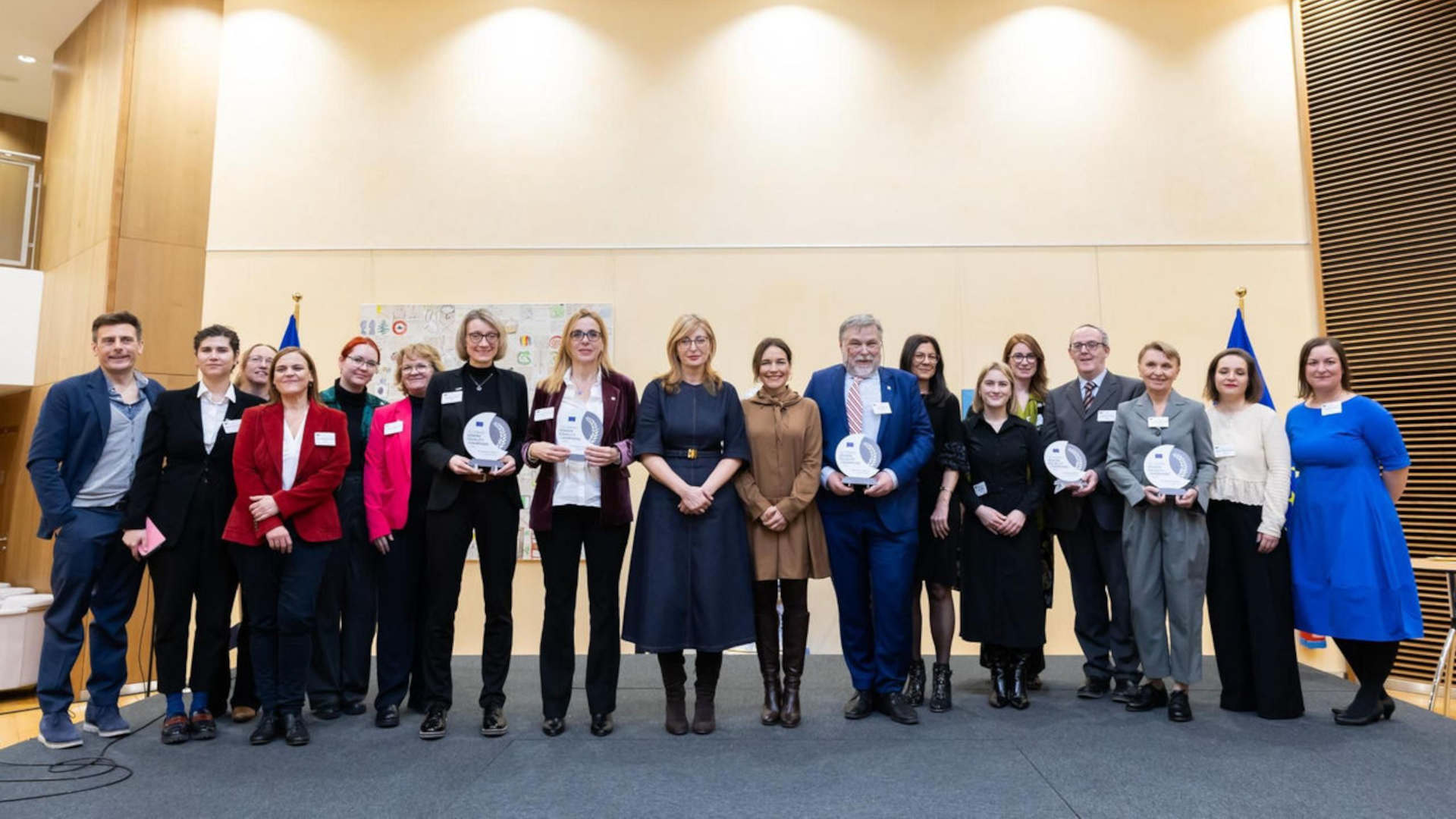
Meanwhile, Maria Olivella, director of the UOC's Equality, Diversity and Inclusion Unit, highlighted that the UOC's 2020-2024 Gender Equality Plan, recently awarded the European Commission's Gender Equality Champions Award, shows that, "to tackle gender bias in scientific knowledge, the equality plans of universities and research centres must focus on research and knowledge transfer strategies".
According to Olivella, good planning can help lead to change. However, she pointed out that many challenges still lie ahead. "In Spain, women were barred from attending university until 1910, seven centuries after the first Spanish university was created. […] At the UOC, we are currently designing the 2026-2029 Equality, Diversity and Inclusion Plan, which will address not only gender bias, but also issues related to sexual diversity, cultural diversity and disability."
11 February: an event to combat inequality
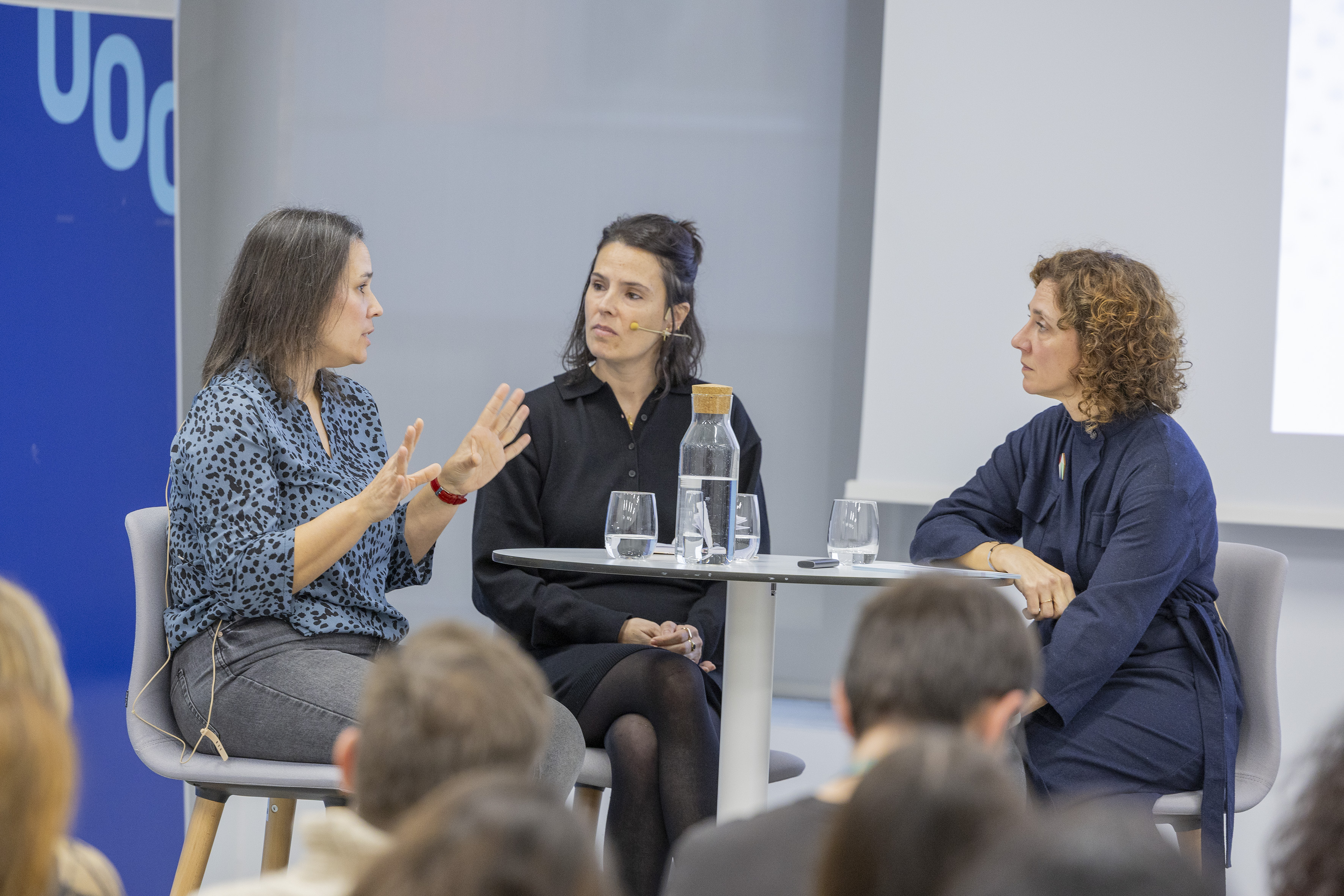
To mark 11 February, the International Day of Women and Girls in Science, the UOC will take part in a range of initiatives and activities being held worldwide to recognize the key role played by women in science and technology, and to highlight the inequalities that persist in these fields.
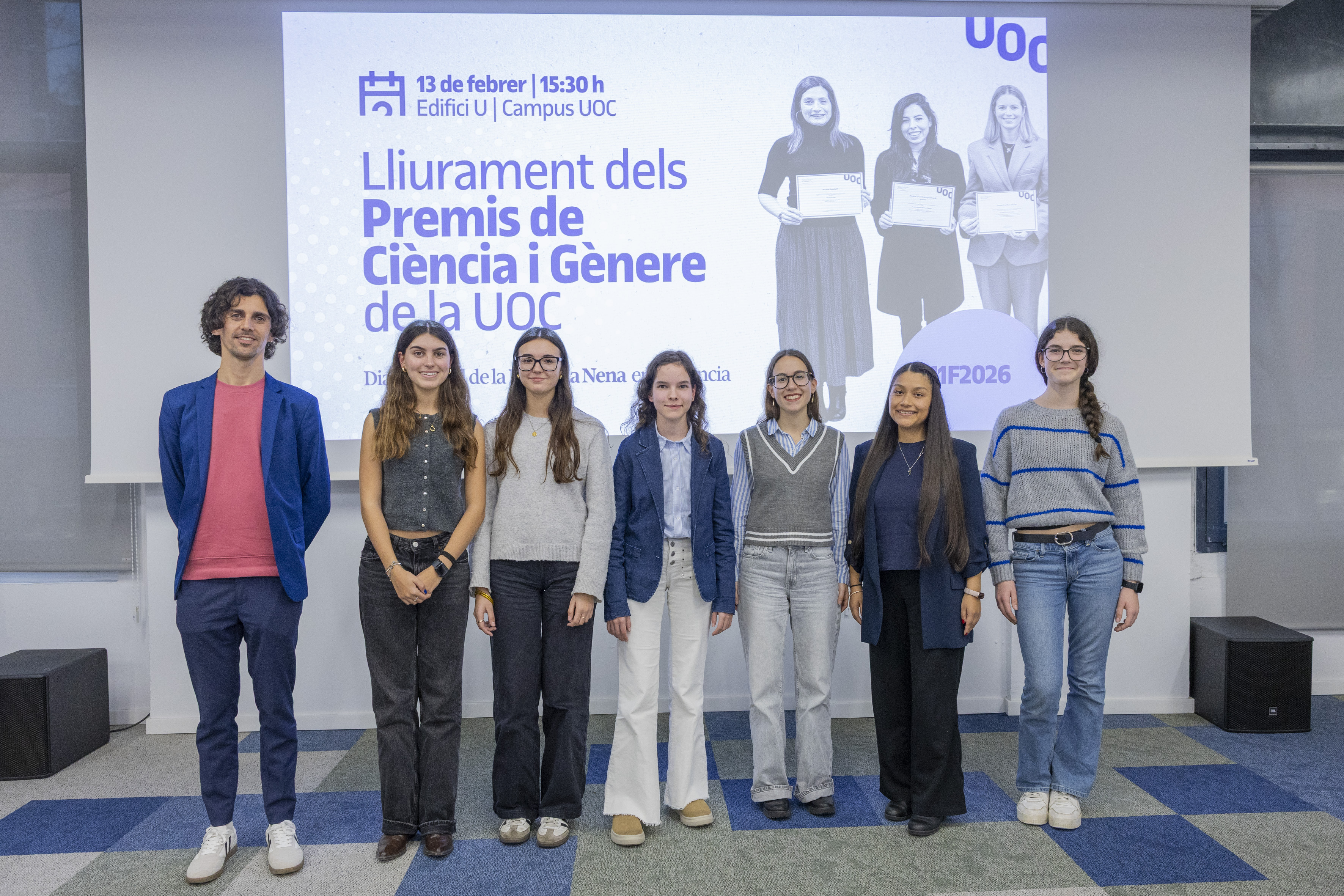
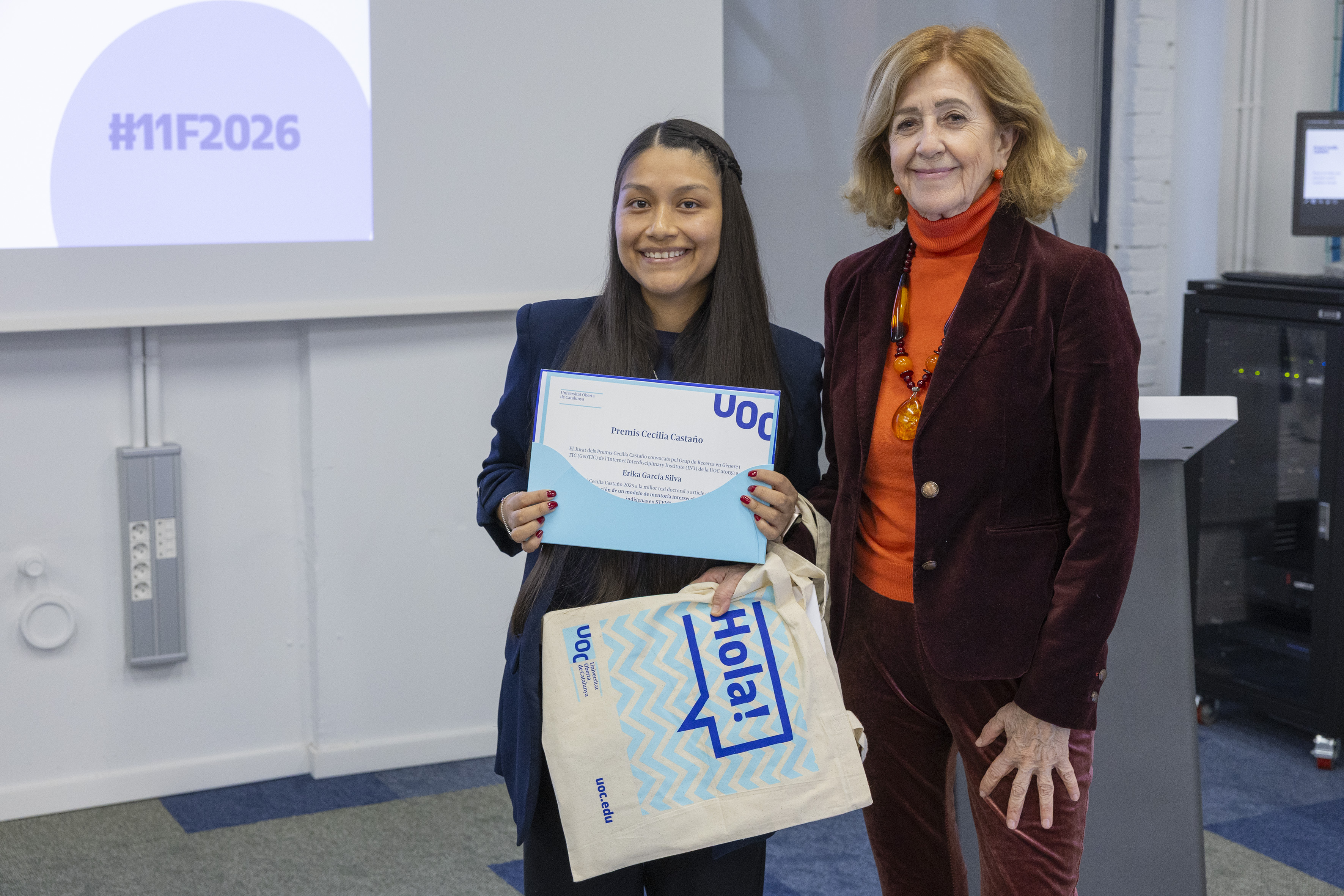
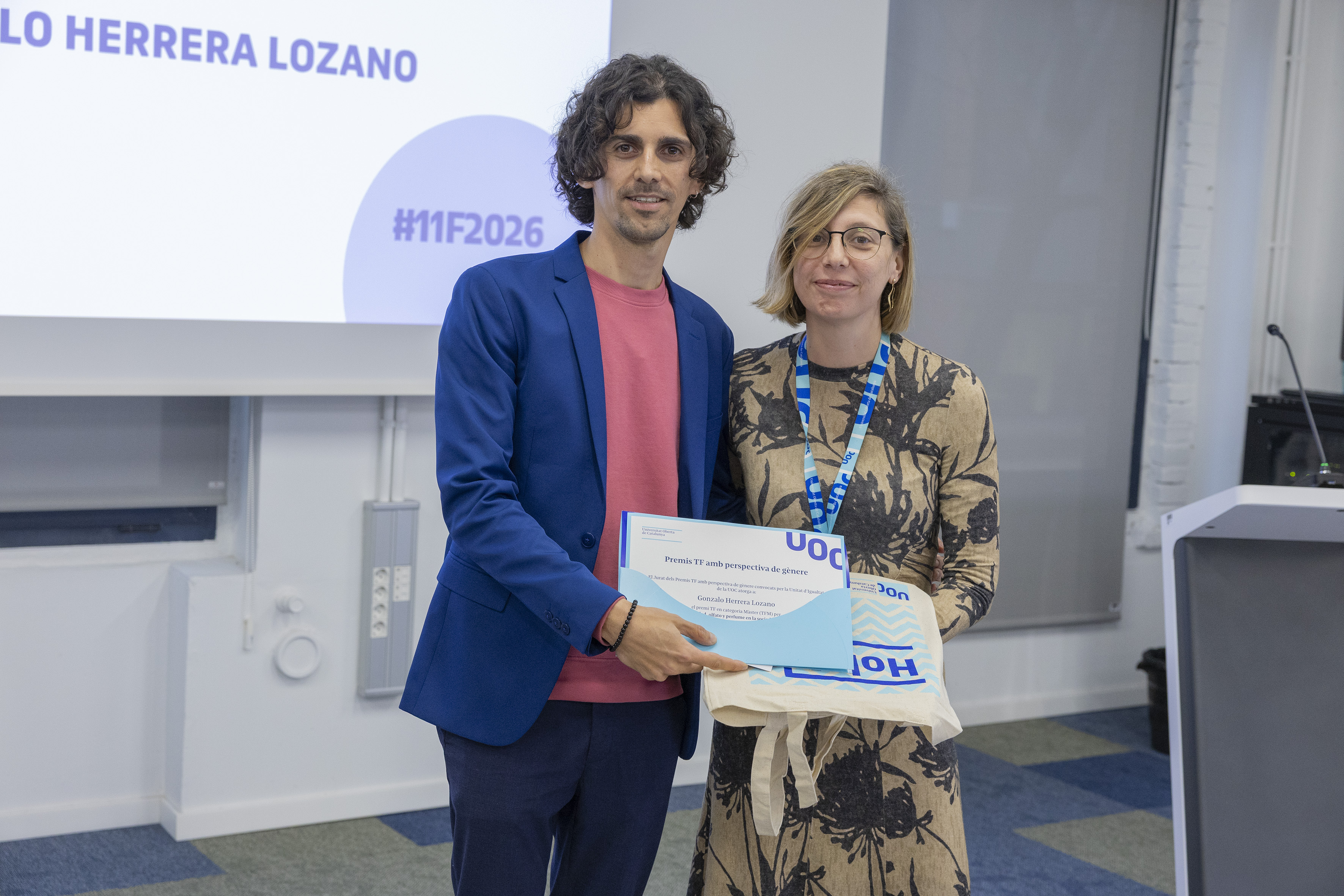
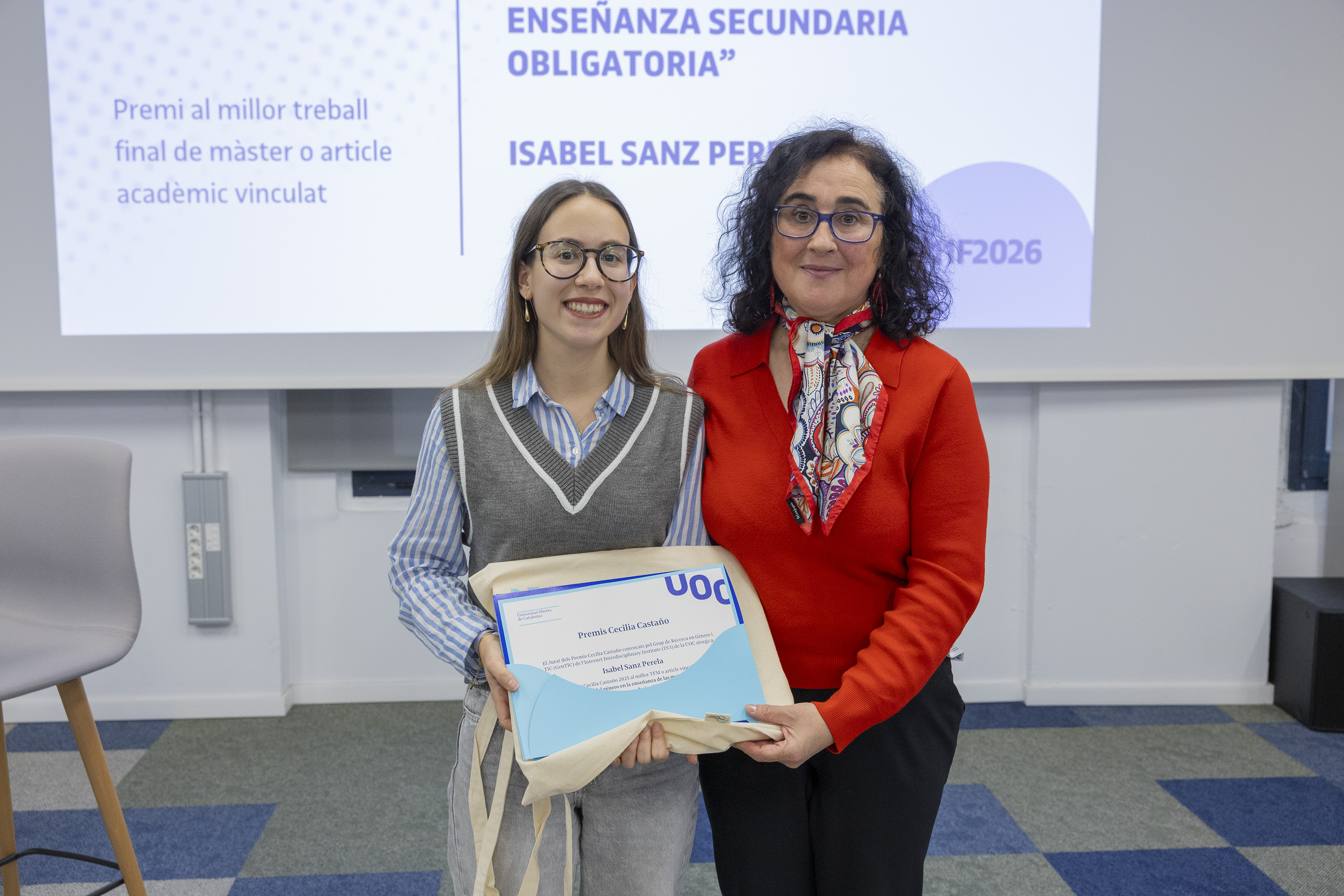
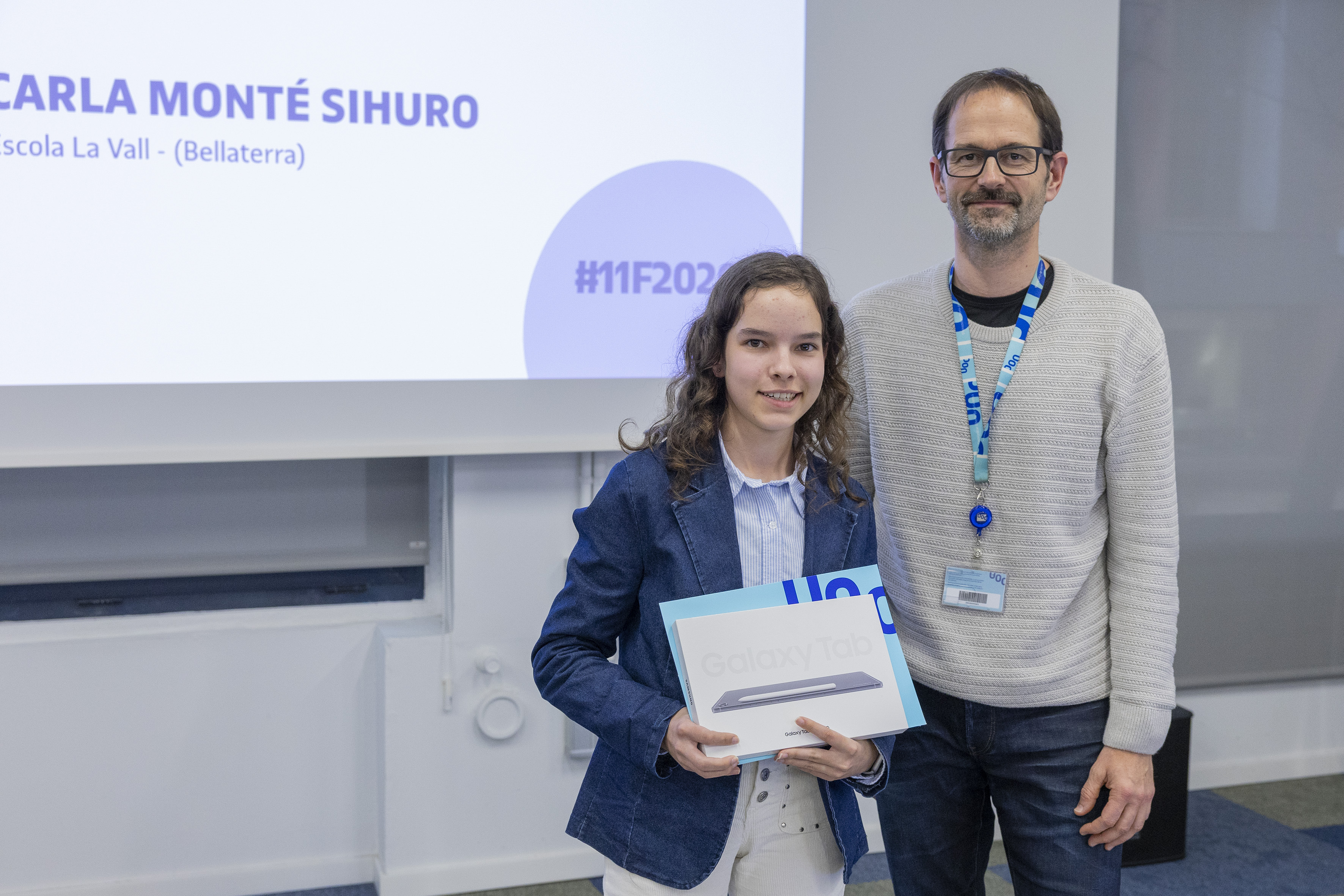
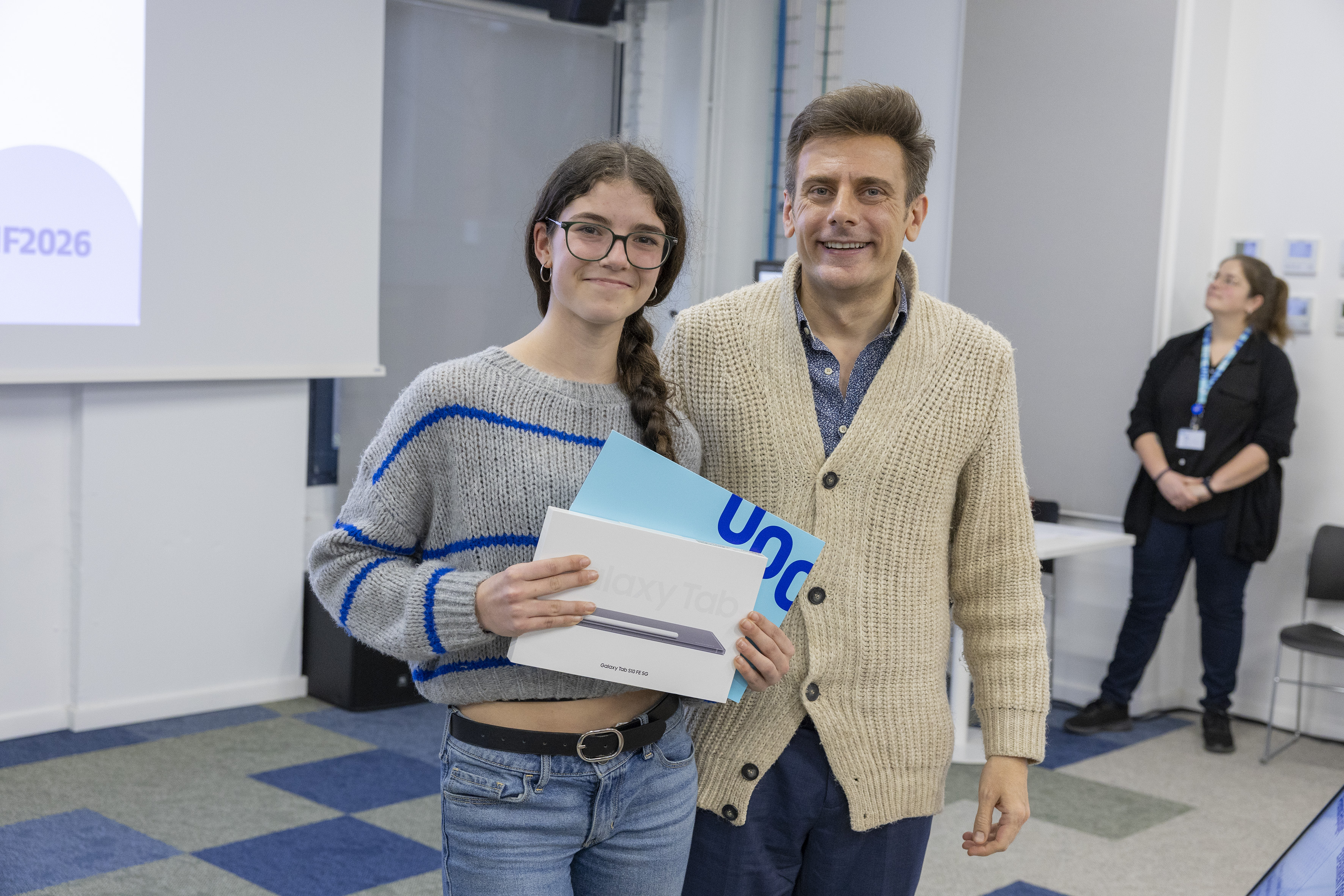
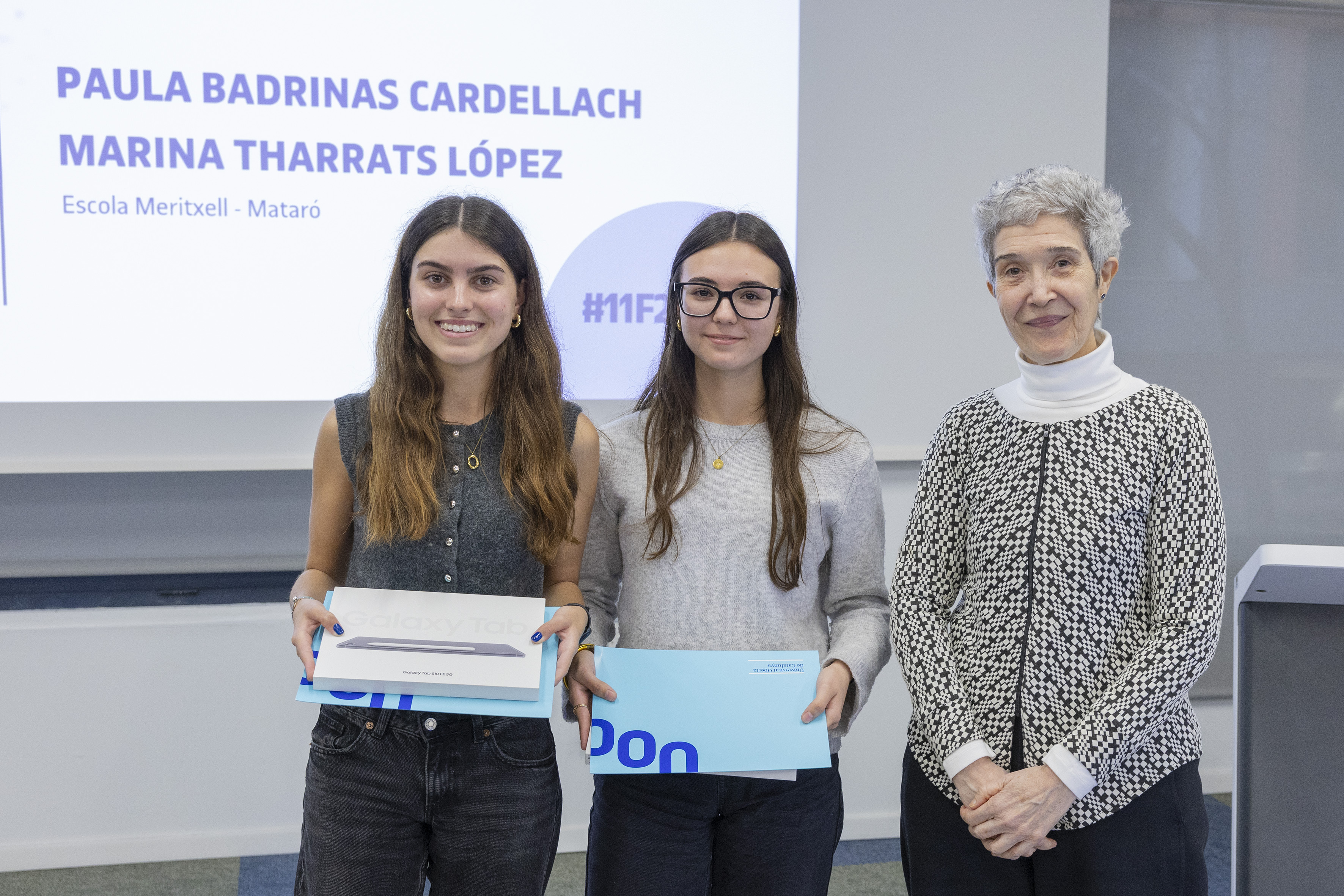
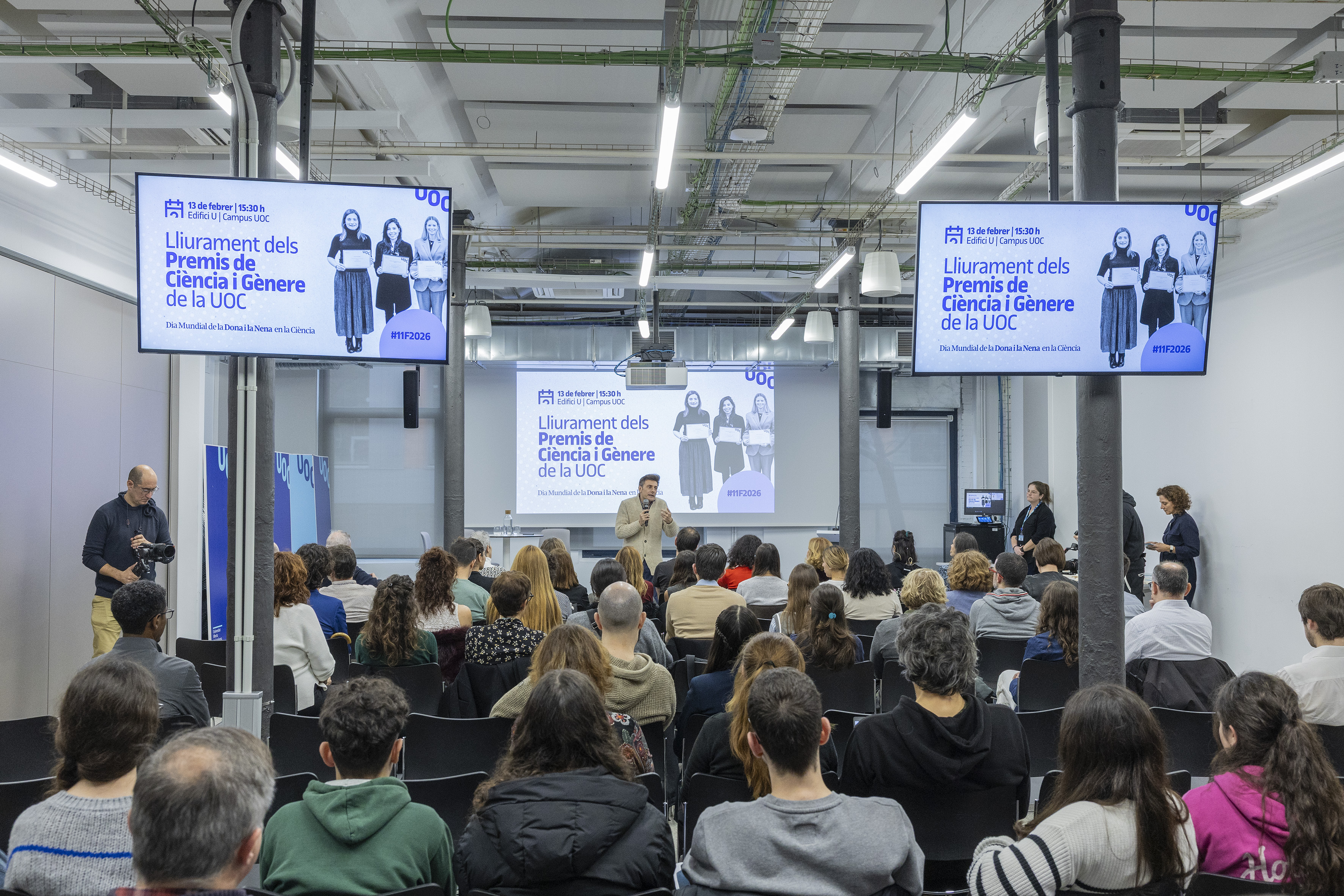
The main event will be the UOC Science and Gender gala awards ceremony, which will be held on 13 February and will include the Prize for Final Projects with a Gender Perspective, the Cecilia Castaño Awards for research on gender inequalities in science and technology (STEM) and the Equit@t awards for video in the field of gender and technology.
These awards form part of the UOC's broader strategy to raise awareness of the gender perspective and are aligned with the actions set out in its Equality Plan, which aims to help combat gender inequalities in science and technology, reduce the gender gap in the choice of STEM studies, make women's contributions visible across all fields of knowledge and incorporate the gender perspective into research and teaching.
The UOC will also take part in the Barcelona Biomedical Research Park (PRBB) Wikimarathon initiative and will be represented by seven researchers in the 8th edition of the #científiques initiative, jointly organized by the Catalan Foundation for Research and Innovation (FCRI) and Barcelona Institute of Science and Technology (BIST). As part of this initiative, more than 600 women researchers will give talks in hundreds of schools across the region with the aim of highlighting the strategic role of women in science and technology, promoting women's full and equal access to and participation in science, and providing children with real, relatable role models in science and technology.
Experts UOC
Press contact
-
Anna Torres Garrote