
The UOC awards a prize to an entrepreneurial project that seeks to protect citrus fruits from fungi
Researcher Eloísa Toledo Iglesias has developed a groundbreaking product for combating green rot in orangesThis fungal disease causes losses of approximately 300 million euros a year to the orange farming business in Spain alone
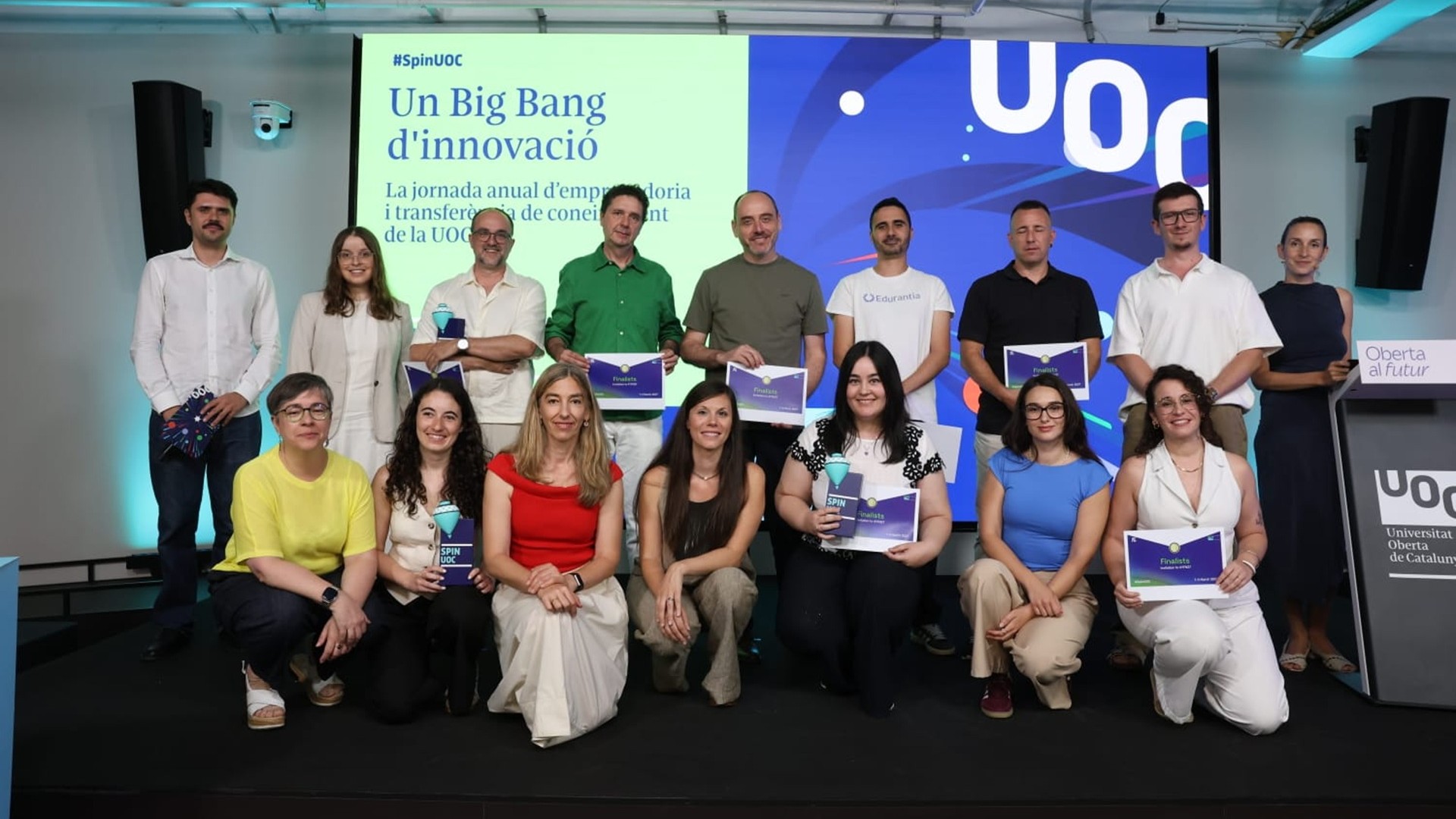
Eloísa Toledo Iglesias, a graduate of the UOC's master's degree programme in Bioinformatics and Biostatistics currently working as a researcher at the Politécnico de Leiria in Portugal, has won the 2026 SpinUOC Dona award for her PHYCOCARES project. This sustainable solution uses an invasive red alga found on the Iberian Peninsula as a tool to combat the main cause of post-harvest losses in oranges: green rot, which causes approximately one million tonnes of waste per year in Spain alone. Toledo credited her UOC education with playing a crucial role in the development of the project, as it provided her with tools to analyze complex data and helped her "develop a more interdisciplinary approach to research".
The PHYCOCARES project emerged from the doctoral thesis Toledo is working on at the Universidade de Leiria e do Oeste and the Universidade do Porto, in addition to the Universitat Jaume I in Castelló. She noted that SpinUOC has helped her present the project "not just as the result of scientific research, but also as a marketable proposal" and that the initiative "seeks to meet farmers' needs and increase the impact of innovation".
Toledo also feels that participating in SpinUOC has enabled her "to think beyond academia and learn to share the value of my research from a business perspective. I strongly believe in the need to build more bridges between academia and the business world, and these kinds of programmes are a major step in that direction." She sees the prize a major recognition both personally and for the project: "It validates the potential of the research we're working on to become a solution with true social impact for the citrus industry and society in general. It's a great opportunity to gain visibility, open up new opportunities for collaboration and continue to grow."
“We're turning an environmental threat into a natural solution for farmers, offering a more sustainable alternative to conventional fungicides”
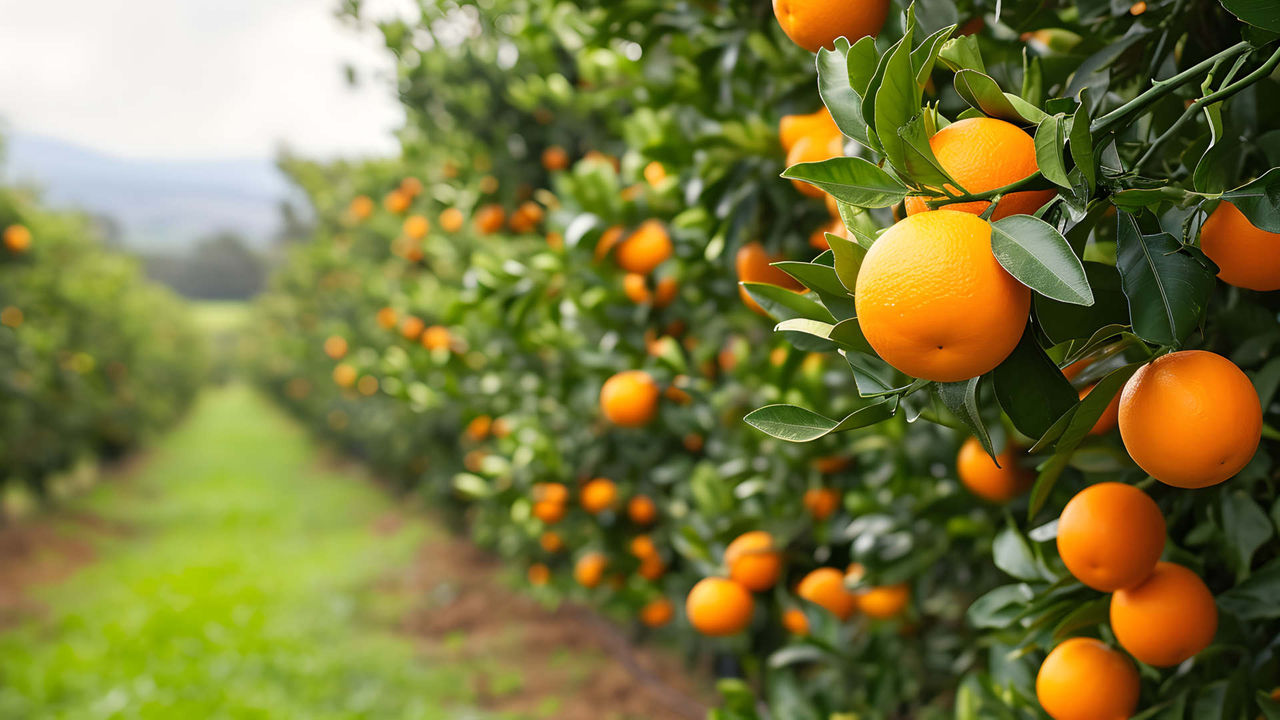
Toledo's project consists of a natural product made using an invasive alga found on the Iberian Peninsula. It's designed to protect citrus fruits against fungal diseases during storage, transport and marketing, specifically targeting green rot caused by the Penicillium digitatum fungus. "In Spain alone, this pathogen causes losses of nearly 300 million euros per year in orange production, threatening the livelihoods of thousands of farming families and creating a huge amount of food loss," Toledo said, noting that so far, "control of this disease has relied mainly on the use of synthetic fungicides".
The problem? "The ongoing use of these products has contributed to the emergence of resistant strains and has raised concerns about the environmental and health impact, which has led the European Union to restrict or ban some of these substances, reducing the tools available to the citrus industry," said Toledo.
She also pointed out that "invasive algae are a growing environmental problem in coastal areas, because they disrupt marine ecosystems and have a negative impact on activities such as fishing". PHYCOCARES connects these two problems and turns them into an opportunity: "We're turning an environmental threat (invasive algae) into a natural solution for farmers, offering a more sustainable alternative to conventional fungicides."
The current technical validation phase
Toledo explained that the project is currently in the technological validation phase. "So far, we've seen very promising results, both in vitro and in fruit trials carried out in laboratories," she said. In the latter, they've been able to reduce Penicillium digitatum spore production by 78%, lowering the risk of the fungus spreading among fruits during storage, transport and marketing. "Next, we plan to conduct pilot trials under real-world conditions to validate the solution's effectiveness on a larger scale," she added. The team is also planning to expand the application of the solution to other citrus species and other fungal diseases, against which they've already achieved high levels of inhibition in vitro.
At the moment, the main scientific challenge for the project consists of ensuring that the effectiveness seen in the lab is maintained when the product is used on a large scale in production, storage and marketing. And when it comes to the market, Toledo added, the main challenge is "to develop a product that's not just effective, but also competitive, scalable and easy to integrate into processes that farmers are already using, as well as to build trust within the sector".
That's why, from the outset, the team working with Toledo has been committed to using low-cost, eco-friendly materials with great potential for integration into existing production lines. "From the very start, we've been working with companies in the industry, such as Frusoal in Portugal and RioTinto in Spain, to learn firsthand about farmers' needs and steer PHYCOCARES' development towards a solution that is truly useful and practical," said Toledo.
One of the main driving forces behind the project is sustainability: "Our goal is to reduce dependence on synthetic fungicides while at the same time helping to reduce food losses caused by fungal diseases," said Toledo, explaining that they're leveraging an unwanted biomass – specifically invasive algae, the proliferation of which poses a major environmental problem – and turning it into a product that can protect fruit harvests. "This means that the project is promoting more sustainable agriculture, a more efficient use of natural resources and the protection of marine ecosystems."
The importance of awards like SpinUOC Dona
Toledo is thrilled to have received the SpinUOC Dona award, and noted that the recognition also helps raise the profile of female entrepreneurship in science, because although there has been progress in this regard in recent years, "we're still facing barriers that result in women being underrepresented when it comes to business leadership and scientific entrepreneurship".
She also noted that "there are many female researchers [in labs] developing and leading high-quality, high-impact projects, but our numbers drop when it comes to business leadership". That's why Toledo believes that awards such as SpinUOC Dona are important, "because they don't just recognize female talent, but also help to raise the profile of our work, expertise and dedication".
Toledo believes that this recognition will prove that young female scientists can also transform their research "into innovative projects with a real impact on society that can encourage other female researchers to seize these kinds of opportunities." She also hopes it will help "raise the profile of marine biotechnology and show how many of the solutions to today's major challenges can emerge from public research."
This entrepreneurial project supports various UN Sustainable Development Goals (SDGs): zero hunger (SDG 2), climate action (SDG 13) and life under water (SDG 14)


Transformative, impactful research
At the UOC, we see research as a strategic tool to advance towards a future society that is more critical, responsible and nonconformist. With this vision, we conduct applied research that's interdisciplinary and linked to the most important social, technological and educational challenges.
The UOC’s over 500 researchers and more than 50 research groups are working in five research units focusing on five missions: lifelong learning; ethical and human-centred technology; digital transition and sustainability; culture for a critical society, and digital health and planetary well-being.
The university's Hubbik platform fosters knowledge transfer and entrepreneurship in the UOC community.
More information: www.uoc.edu/en/research
FAQs
Experts UOC
Press contact
-
Anna Sánchez-Juárez