Access to safe water fails in the face of extreme heat, even in wealthy cities
A study led by a researcher at the UOC examines how access to water is a vital but underappreciated tool for adapting homes to extreme heat against the backdrop of the climate emergencyHousehold water security is not universal in the Global North, leading to unequal capacities for coping with extreme heat
A heat justice agenda must include water security as a cornerstone for fostering adaptability to global warming, especially among the most disadvantaged groups in society
In a climate emergency in which high temperatures, heatwaves and droughts are increasingly common events, cooling systems and access to water have become some of society's greatest challenges and one of the major adjustments that people have to make in their homes. However, this access is neither guaranteed nor universal, even in cities in developed countries.
A team of experts led by a researcher at the Universitat Oberta de Catalunya (UOC) has highlighted the link between water security and the adaptability of homes in urban centres of the Global North, consisting of countries in North America and Europe, among others, to heat and high temperatures in the climate emergency.
“Water is the 'air conditioning' of the most socioeconomically vulnerable groups.”
"Water is a vital but underrecognized tool for adapting homes to extreme heat, especially for people who cannot afford air conditioning," explained Hug March, the study's principal investigator and the joint leader of the TURBA Lab group, affiliated to the UOC-TRÀNSIC research centre and a full professor in the Faculty of Economics and Business at the UOC, with Katie Meehan, of King's College London, Elena Domene and Mar Satorras, of the Institut Metròpoli, and David Saurí, of the Universitat Autònoma de Barcelona.
This study, which has appeared in open access format in the journal npj Urban Sustainability, published by the Nature group, provides a critical analysis of access to safe and acceptable water for a thriving life, a key factor in adapting to extreme and chronic heat, especially in cities. This access is not always available in all cities, not even in the wealthiest ones.
Water – an essential tool for heat adaptation
Access to water is taken for granted in the countries of the Global North; however, this is contradicted by the facts on the ground. This is primarily because water is a critical resource for adapting to high temperatures, especially for people who have no alternative due to energy poverty or a lack of stable housing. "Access to water acts as 'air conditioning' for the most vulnerable groups, as it plays a key role not only in hydration, but also acts as a cooling mechanism for the body," March said.
In fact, low-income households, made up of marginalized communities, people with chronic illnesses, or elderly people living in precarious conditions, suffer from "systemic cooling poverty". "Household water security is not universal in the Global North, which means that people's ability to cope with extreme heat is uneven," March explained.
Increased household water insecurity
According to the authors, extreme heat is a phenomenon that is now "here to stay." Water is even more essential for ensuring heat adaptation in cities, in both public spaces and in the home.
For example, the authors point out that in areas in southern Europe such as the city of Barcelona, apart from drinking water, practices such as showering, going to public swimming pools and using public fountains are among the most widely used strategies for coping with extreme heat in socially vulnerable areas.
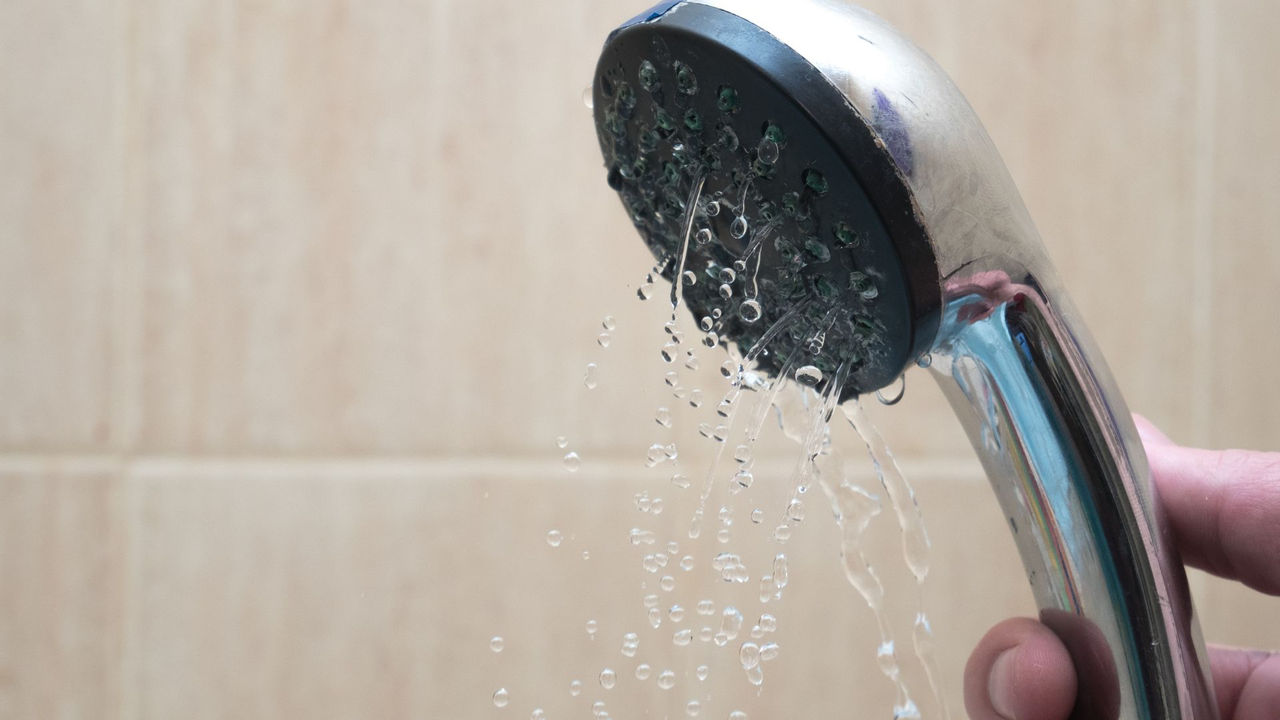
"Financial pressure forces vulnerable households to limit their water consumption by taking shorter showers, as they prioritize saving money over relief from heat. As a result, ignoring water insecurity can compromise people's ability to adapt to extreme heat among the most socioeconomically vulnerable groups, and further exacerbate social and spatial inequalities in cities," warned March. For example, in the city of Portland, in the United States, water and sewerage rates are forecast to reach $2,400 by 2030.
Proposals and strategies for adapting to heat
In order to contribute to improving water security in urban environments, the experts put forward several proposals and strategies, including the development of a genuinely transformative agenda for heat justice. This programme must address issues related to water security, and include data and mechanisms to provide access to water resources, especially for homes, where household water security is taken for granted as guaranteed and universal, but becomes critical in times of climate emergency.
The authors pointed out that as droughts and difficulties related to water become more common in many cities, alternative resources are being adopted, including desalination, thereby increasing fees and costs related to access to water. If it is not implemented according to criteria of socio-environmental justice, this increase in costs will aggravate water insecurity among the poorest members of society.
"A transformative agenda for heat justice must have water security as its cornerstone, since without safe, affordable and reliable water, the ability to adapt to chronic and extreme heat is fundamentally compromised, and this deepens existing social and spatial inequalities, particularly among vulnerable urban populations," concluded March in the article, which was funded by the Catalan Institution for Research and Advanced Studies (ICREA) and UKRI Horizon Europe Guarantee.
This study falls within the UOC's research missions on Planetary health and well-being and Digital transition and sustainability, and supports the UN Sustainable Development Goals SDG 6, Clean Water and Sanitation, and SDG 11, Sustainable Cities and Communities, in the context of community adaptation to heat.
Reference article:
March, H., Meehan, K., Domene, E., Satorras, M., & Saurí, D. (2026). "Why water security matters to cities under extreme heat in the Global North". npj Urban Sustainability, 6, Article 15. https://doi.org/10.1038/s42949-025-00317-6
Transformative, impactful research
At the UOC, we see research as a strategic tool to advance towards a future society that is more critical, responsible and nonconformist. With this vision, we conduct applied research that's interdisciplinary and linked to the most important social, technological and educational challenges.
The UOC’s over 500 researchers and more than 50 research groups are working in five research units focusing on five missions: lifelong learning; ethical and human-centred technology; digital transition and sustainability; culture for a critical society, and digital health and planetary well-being.
The university's Hubbik platform fosters knowledge transfer and entrepreneurship in the UOC community.
More information: www.uoc.edu/en/research
Experts UOC
Press contact
-
Núria Bigas Formatjé