
UOC takes part in I·HE2026 with contributions on AI, teaching innovation and professional skills development
The UOC took part in the European conference with contributions on artificial intelligence, teaching innovation, educational assessment and professional skillsUOC Rector Àngels Fitó is taking over as president of EADTU, Europe's leading network for online, open and distance higher education, during the conference
The event provided an opportunity for OpenEU, the European university alliance coordinated by the UOC, to hold strategic meetings aimed at advancing its shared agenda and promoting university cooperation and educational innovation across Europe
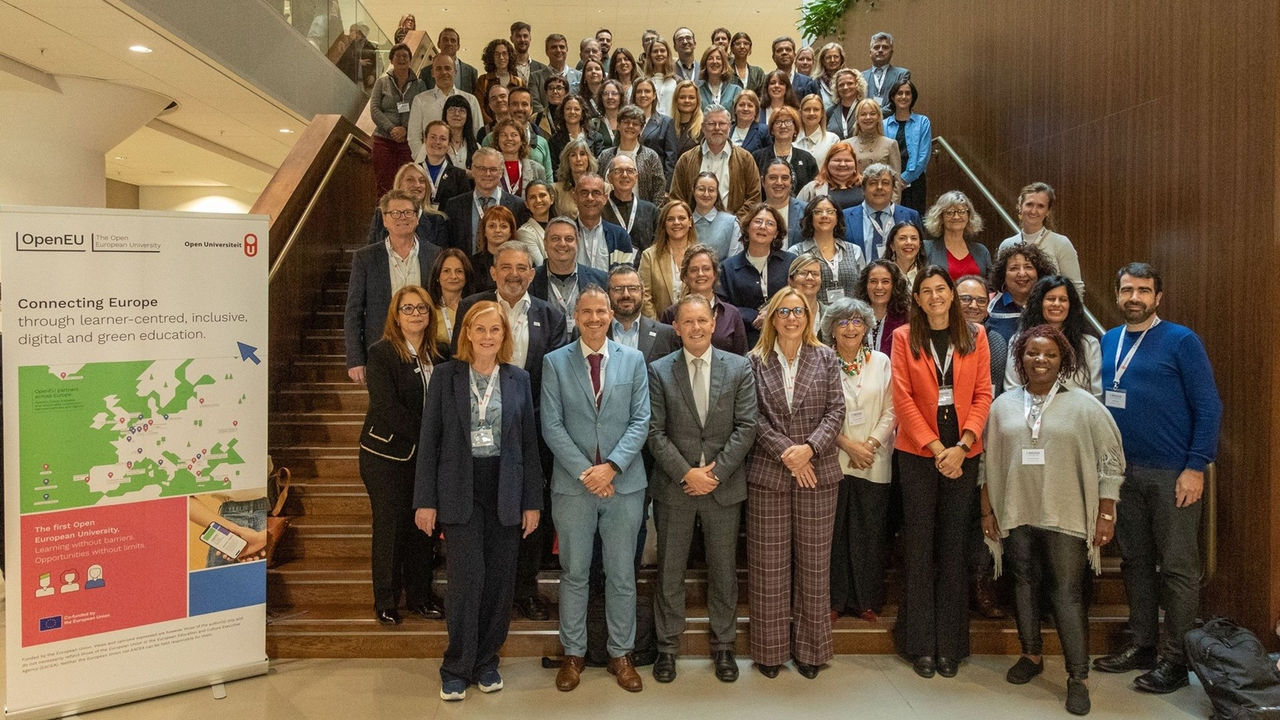
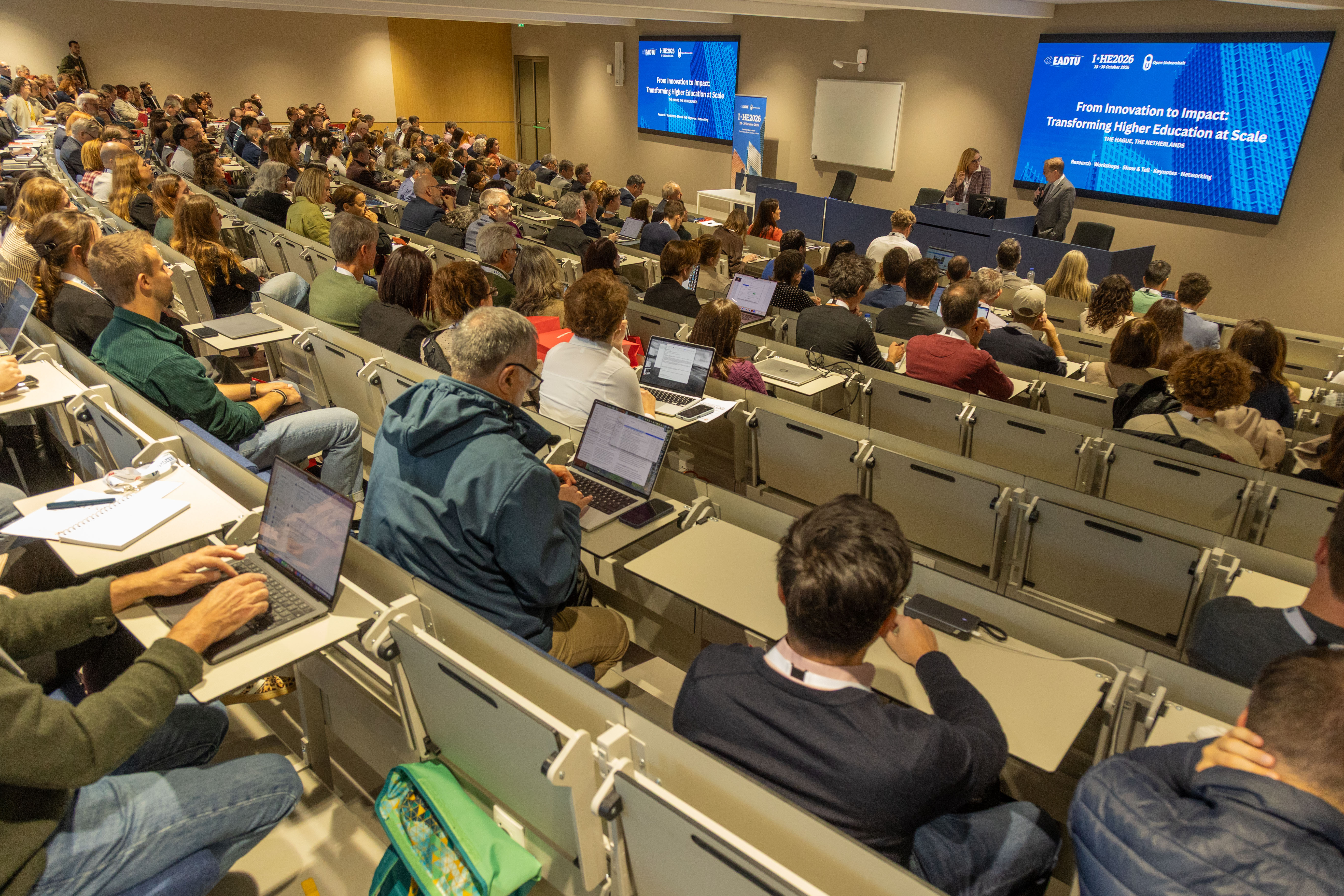
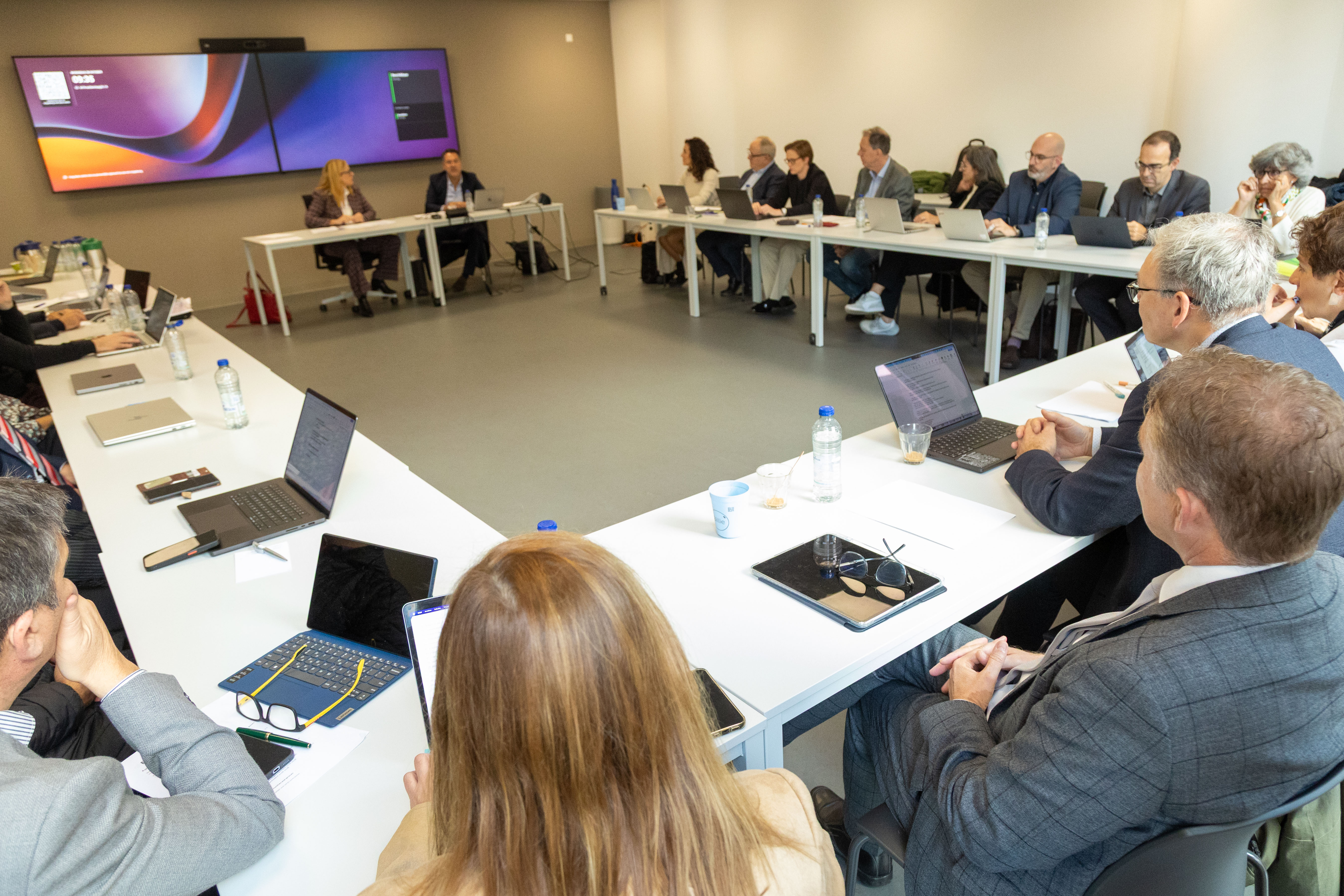
The Universitat Oberta de Catalunya (UOC) has reaffirmed its commitment to transforming higher education by taking part in the Innovating Higher Education Conference 2026 (I·HE2026), held in The Hague from 28 to 30 October. The event, organized by the European Association of Distance Teaching Universities (EADTU), brought together university representatives from across Europe to explore emerging trends, share innovative experiences and advance the transformation of higher education towards more accessible, inclusive and high-quality teaching models.
Under the theme "From Innovation to Impact: Transforming Higher Education at Scale", this annual conference focused on the transition from educational innovation to a structural and systemic impact on higher education, with the aim of driving changes that help transform universities.
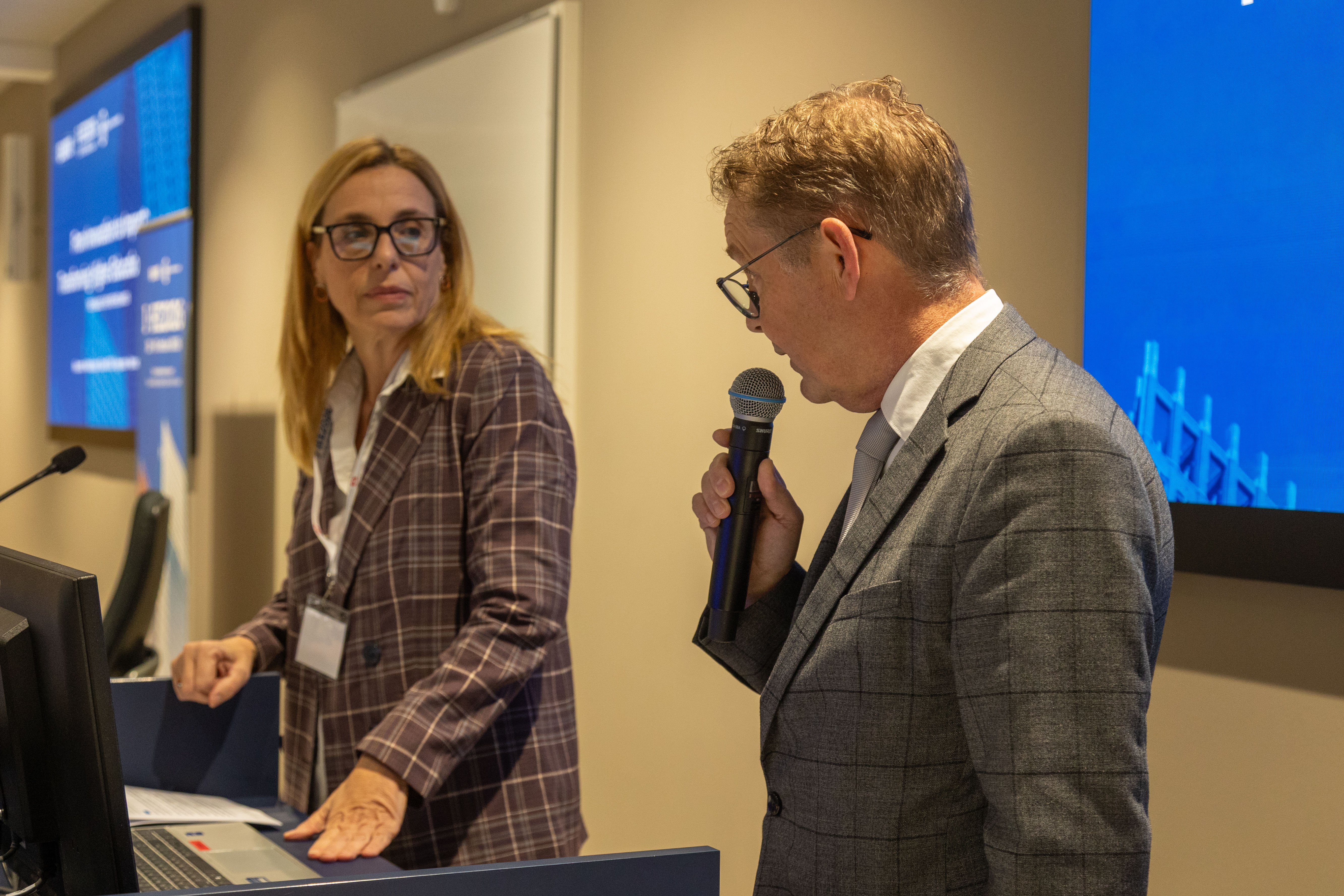
"Europe needs universities that do more than adapt to change. It needs universities capable of shaping that change through knowledge, responsibility and a clear commitment to the common good. As a European community of open, online and distance education institutions, we have both the opportunity and the responsibility to contribute to this goal," explained UOC Rector Àngels Fitó in I·HE2026's closing session.
During the conference, Fitó also took over as president of EADTU, having served as vice-president since 2025. She was joined at the event by Teresa Guasch, Vice Rector for Teaching and Learning; Gemma Carrera, Deputy General Manager for Teaching and Students; and Pastora Martínez Samper, Commissioner for International Action, along with UOC teaching and research staff, administrative staff and students.
UOC shares initiatives aimed at transforming learning
The UOC contributed to the I·HE2026 programme by sharing its experience and research findings across several areas of educational innovation. Teresa Guasch, Vice Rector for Teaching and Learning, discussed how assessment can become a tool for learning, while Laia Lluch, a researcher with the GREDU research group (UOC-FuturEd) and member of the Faculty of Education, shared her experience of using generative artificial intelligence in teacher training.
In turn, Carme Pagès, director of the Labour Market Research and Analysis Unit (UPAL), explained how data on professional skills can help adapt courses to job market needs. Mitchell Peters, a member of the UPAL and a researcher with the MeL research group (UOC-DIGIT), analysed the UOC's microcredential quality assurance system.
These contributions addressed some of the key challenges facing digital higher education, including personalized learning, ethical integration of new technologies grounded in pedagogical principles or lifelong learning, and demonstrated how research and educational innovation can help enrich the student experience and transform teaching and learning models.
OpenEU advances its agenda to transform European higher education
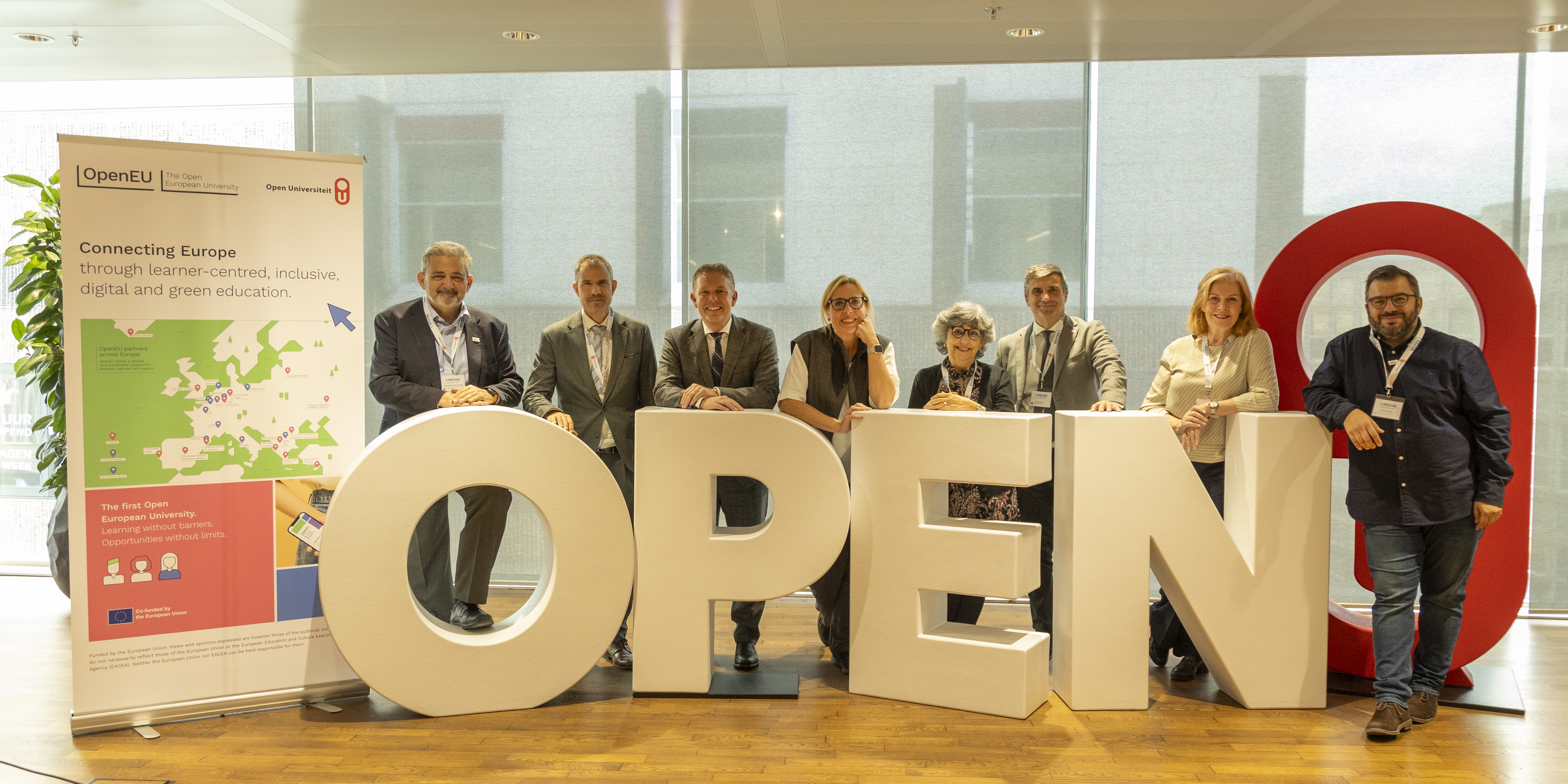
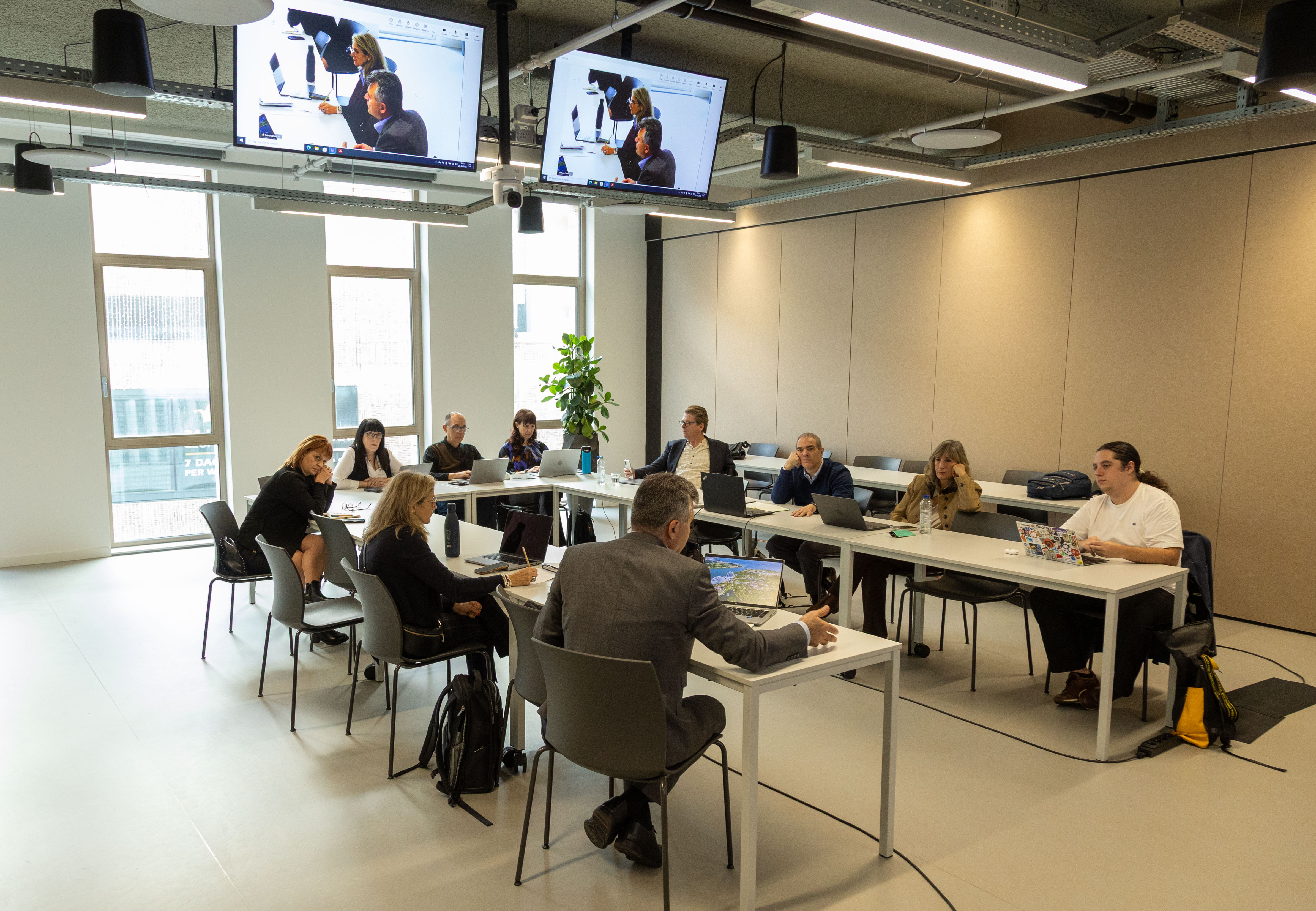
I·HE2026 also provided an opportunity for members of OpenEU, the European alliance of open and distance teaching universities coordinated by the UOC, to come together and advance their aim of promoting a more open, digital, inclusive and accessible higher education system. With over 50 representatives on hand at the conference, OpenEU held meetings of its main governing bodies, including the Council of Rectors and the Executive Committee, as well as the teams responsible for its different work packages.
"OpenEU enables us to move beyond interuniversity collaboration and develop shared solutions to improve our universities while also contributing to the transformation of European higher education. Events such as I·HE2026 allow us to advance the alliance's shared agenda, review priorities and drive joint initiatives that have a real impact on learning opportunities," said Pastora Martínez Samper, the UOC's Commissioner for International Action and coordinator of the OpenEU alliance.
The meetings also offered opportunities to share progress in the alliance's various areas of action, including lifelong learning, widening access to higher education, inclusion and equity, and research and innovation. Key initiatives include OpenEU's first joint bachelor's degree in Software Development and Testing, coordinated by the UOC in collaboration with the Open Universiteit of the Netherlands (OUNL) and the Spanish Distance Learning University (UNED), or the European T-LED project, developed in collaboration with EU4DUAL, which is designing eight joint degree programmes to further develop the future European Joint Degree Label. Both initiatives serve to facilitate academic recognition and make European learning pathways more flexible. The conference also brought together OpenEU member universities to explore new avenues for institutional, academic and research collaboration.

Press contact
-
Anna Torres Garrote
