
Workplace absenteeism: why temporary disability is a right, not an expense
A UOC study challenges the stigma surrounding this benefit when examined from a macroeconomic perspectivePeriods of sick leave stem from structural factors such as an ageing population, waiting lists and the incidence of psychosocial risks
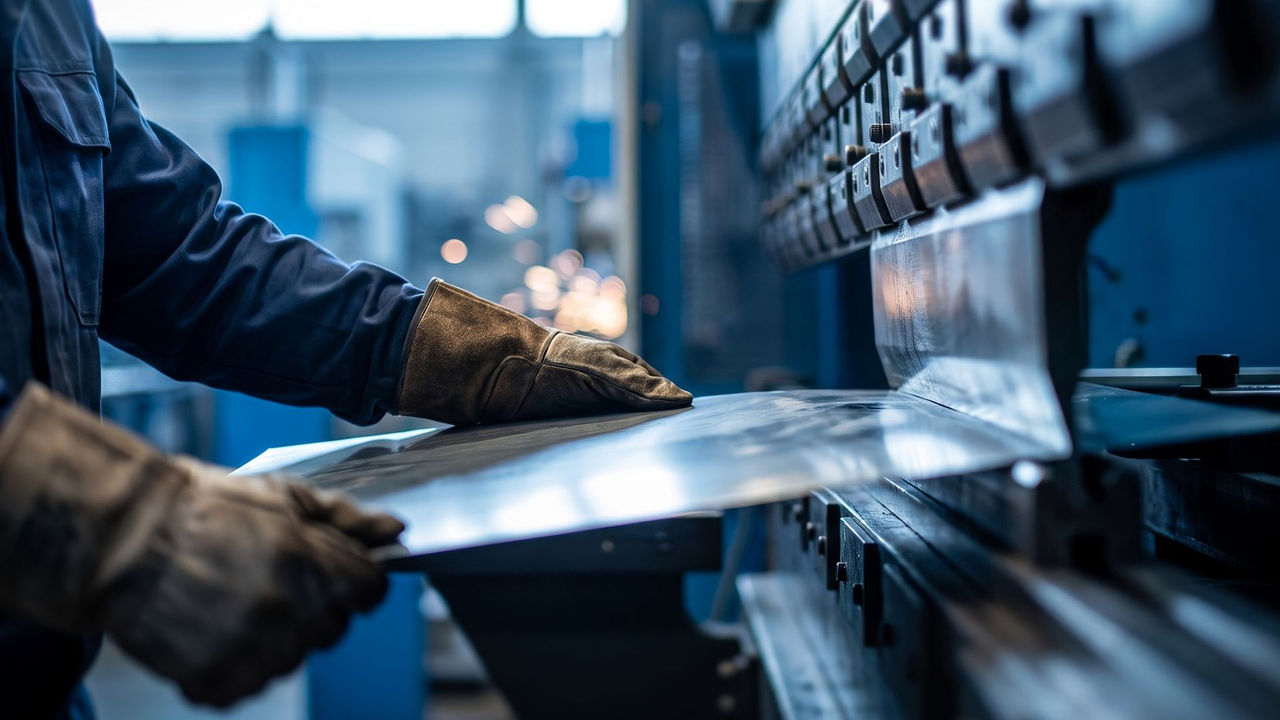
Temporary disability is a cornerstone of the public Social Security system. It is a right for all workers who fall ill and a social security benefit designed primarily to protect those who are sick, enabling them to receive medical treatment and recover or improve their condition while ensuring they have sufficient income during periods in which they are unable to work.
In 2025, nearly six million such episodes were recorded in Spain. In an open-access article published in the journal Labos, Miguel Arenas Gómez, a researcher at the UOC-DIGIT centre and lecturer in the Faculty of Law and Political Science at the Universitat Oberta de Catalunya (UOC), analyses the stigma surrounding this benefit, considered an expense, when examined from a macroeconomic perspective.
"This opinion piece challenges the institutional narrative put forward by the Independent Authority for Fiscal Responsibility (AIReF), which advocates tightening access to the benefit and reducing financial support as a way of controlling public spending," argues Arenas, a member of the Taxation, Labour Relations and Business Research Group (TAXBUSINESS). Based on statistical analysis and legislative reforms to the benefit in recent years, the article contends that the debate should focus on issues that extend beyond the economic realm.
"The very actors driving the debate are also implicitly stigmatizing workers by unjustifiably associating sick leave with fraud, moral laxity or individual opportunism," explains the lecturer and labour law expert. “Absences from work that are medically justified are being portrayed as irregular, diverting attention from the real reasons for sick leave,” he adds.
According to the article, absences caused by temporary disability are not a matter of employees simply choosing not to work. Rather, they are linked to structural factors such as an ageing workforce, long healthcare waiting lists and the incidence of psychosocial risks.
“Only when occupational health begins to be understood as an ethical and productive investment will we respond to the challenge of absenteeism”
From ageing to technostress
The progressive and accelerated ageing of the workforce is one of the factors having the greatest impact on this benefit. "Expecting an increasingly older workforce to maintain the same rates of workplace accidents and illness as two decades ago is mathematically unrealistic. Bodies age and chronic conditions become more prevalent; therefore, the spike in cases of temporary disability isn't a sign of fraud, but an accurate reflection of a demographic reality that the labour market must acknowledge," the article notes. This trend is compounded by the fact that people are retiring at an older age.
Second, the length of sick leave is linked to the "structural collapse" of primary care services and waiting lists for specialist appointments within Spain's National Health System. This situation is further exacerbated by a surge in psychosocial risks and neurological conditions in an increasingly digitalized working environment. "Technostress, techno-invasion, digital fatigue resulting from the inability to effectively disconnect from work and burnout have become some of the real but often invisible causes of medical leave," Arenas points out.
Another important factor is gender differences in relation to temporary disability. In 2025, women accounted for more than 3.1 million new cases of sick leave, compared with just over 2.6 million among men. However, this higher incidence does not translate into longer periods of leave, but rather shorter ones. The average duration of sick leave was 37 days for women, compared with 40.3 days for men.
According to the article, these figures suggest that workers in precarious jobs or roles involving intense physical or psychological demands are more likely to fall ill, and to do so repeatedly. These sectors include occupations that are largely dominated by women, including healthcare, education, social services and care work.
In terms of age, "although younger workers account for more episodes of sick leave, the same AIReF analysis shows that their absences tend to be shorter than those of older workers," the researcher highlights.
Psychosocial risk prevention, at the centre
To address this issue, the study proposes reforming the Occupational Risk Prevention Act to establish a more pragmatic, progressive and inclusive occupational risk prevention framework that reflects today's working environments and production models.
It also calls for a series of changes, including "reversing the trend towards privatizing medical oversight". "The institutional model cannot continue to shift responsibility for overseeing illnesses and injuries unrelated to work to collaborating mutual insurance companies," Arenas stresses.
Other proposed solutions include making psychosocial risk prevention a central part of workplace organization, reducing waiting lists, streamlining the administrative workload of primary care doctors and facilitating the return to work through new flexible or part-time sick leave arrangements.
"Only when occupational health is no longer regarded as an expense but as an ethical and economic investment can we say that we are truly responding to absenteeism in a way that reflects the challenges of our time," the UOC lecturer concludes.
This project is aligned with the UOC's Planetary health and well-being, Ethical and human-centred technology and Culture for a critical society research missions. It also supports Sustainable Development Goals (SDGs) 3: Good Health and Well-being; 5: Gender Equality; and 8: Decent Work and Economic Growth.
Reference article
Arenas Gómez, A. (2026). El debate sobre el absentismo laboral a través del prisma de la incapacidad temporal. Realidad estadística, gestión institucional y complejidad normativa, Labos, 7(2), https://doi.org/10.20318/labos.2026.10648
Transformative, impactful research
At the UOC, we see research as a strategic tool to advance towards a future society that is more critical, responsible and nonconformist. With this vision, we conduct applied research that's interdisciplinary and linked to the most important social, technological and educational challenges.
The UOC’s over 500 researchers and more than 50 research groups are working in five research centers focusing on five missions: lifelong learning; ethical and human-centred technology; digital transition and sustainability; culture for a critical society, and digital health and planetary well-being.
The university's Hubbik platform fosters knowledge transfer and entrepreneurship in the UOC community.
More information: www.uoc.edu/en/research
FAQs
Experts UOC
Press contact
-
Núria Bigas Formatjé